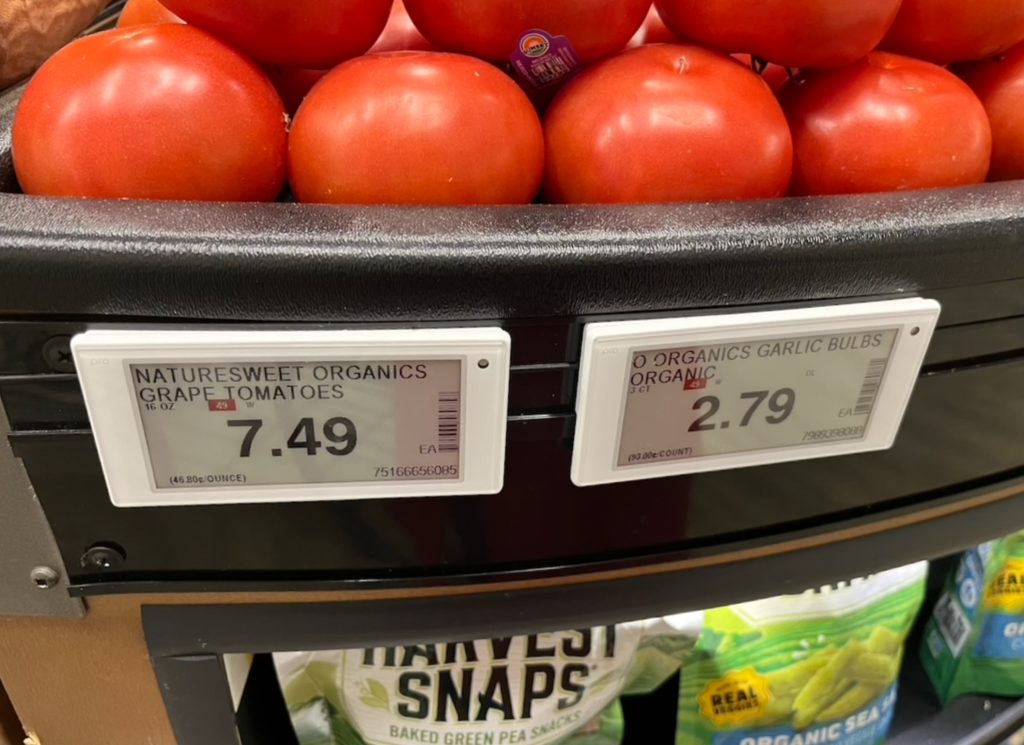
The first‑in‑the‑nation city-led consumer protection measure designed to stop grocery retailers from using personal data to set different prices for different customers has been passed in Seattle.
“Food is an essential good that’s getting more expensive all the time,” Mayor Katie Wilson said in a statement. “People have been clear: they don’t want their data fed into algorithms that decide how much they pay at the grocery store. Everyone deserves transparent pricing and equal treatment, not hidden systems that charge some shoppers more than others.”
Seattle’s Fair Pricing policy prevents large online and brick‑and‑mortar grocery retailers from using sensitive personal information – including employment status, race, gender, browsing history, social media activity, or chatbot conversations – to manipulate the prices customers pay. Prices must be clearly posted and available to all shoppers. Traditional coupons and transparent discounts for groups such as seniors or veterans remain fully protected.
The policy will curb emerging practices in which corporations use artificial intelligence and personal data to drive prices higher for certain customers, Wilson said. Investigations across the country, including recent reporting involving Seattle shoppers, have shown that algorithm‑based pricing can lead to dramatically different costs for the same products.
The Fair Pricing policy also aligns Seattle with national efforts to protect consumers from discriminatory and deceptive pricing practices. New Jersey, Connecticut, Maryland have set similar standards. Unlike the three laws, New York has a disclosure law, not a prohibition – it requires a label that says “THIS PRICE WAS SET BY AN ALGORITHM USING YOUR PERSONAL DATA” when applicable.
“Today’s vote demonstrates the immense power of working people standing together with the communities we serve,” said UFCW 3000 Secretary-Treasurer Sean Embly. “When we work together, we can protect our neighborhood stores from predatory practices that put profits over people.”