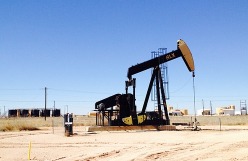
On Nov. 9, the Trump administration announced a proposed rulemaking that would weaken the public’s involvement in land use planning and gut protections for conservation designations across 245 million acres of Western public lands.
The Bureau of Land Management, or BLM, rule proposes to suppress the voices of local communities by shortening public comment periods and cutting out environmental analysis.
These changes would make it easier for the BLM to fast-track the sale, transfer, or use of public lands for oil and gas drilling, mining, data centers, and other industrial or commercial development, all while shutting out the American people, Thomas Delehanty, senior attorney with Earthjustice’s Rocky Mountain Office, said in a statement.
“The Trump administration continues its relentless agenda of handing over public lands to corporations,” said Delehanty.
He said cutting the public out of land management benefits no one except the extractive industries concentrated on controlling these shared resources for their own private gain.
“Anyone who values public lands must be loud and clear: these attacks end now,” Delehanty said.
The BLM announcement, which said the proposed rule would cut unnecessary red tape, begins a 60-day comment period, with a Jan. 9 deadline.
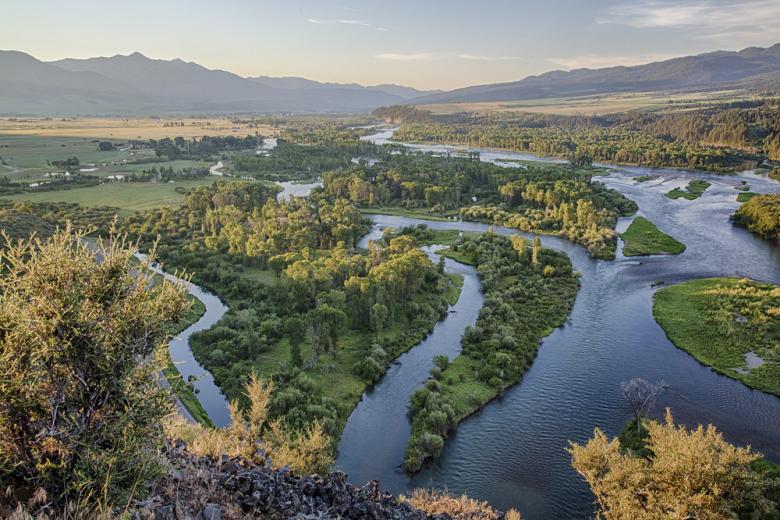
The public lands overseen by the BLM contain crucial wildlife corridors, critical habitat, cultural resources and landscapes, watersheds, historic sites, and access to nature and scenery.
The rule threatens to strip safeguards for areas of critical environmental concerns, or ACECs, and environmental review that protect these lands, leaving the West’s most sensitive lands vulnerable to irreparable harm, said Maddy Munson, senior policy and planning specialist at Defenders of Wildlife.
“Resource management planning is meant to provide the public a real say in how BLM manages our shared public lands, and Areas of Critical Environmental Concern are how the agency turns that input into on-the-ground protections for special places and important wildlife habitat,” Munson said. “Cutting back public participation and narrowing the agency’s analysis isn’t streamlining, but rather stacking the deck against the places and species that need protection the most.”
The new rule will:
- Attempt to eliminate mandatory environmental impact statements, or EISs, for land use plans.
- Eliminate the 90-day public comment period.
- Allow BLM to eliminate written comment opportunities in favor of public meetings.
- Eliminate key planning and analysis requirements.
- Bypass normal planning procedures by creating new emergency authority and making broad amendments potentially easier.
- Weaken ACEC designation and protection procedures.
- Reduce state, local, and Tribal government participation.
This regulatory rollback is the latest chapter in a coordinated, systematic dismantling of America’s public lands. Other Trump administration actions include the recent rescission of the landmark Public Lands Rule, stated intention to roll back the Roadless Rule and Wilderness policies, the weakening of National Environmental Policy Act standards, and repeated attempts to give away public lands to corporations and developers.
The proposal comes as Congress debates permitting legislation that would also weaken public participation in decisions affecting shared lands and give more power to development interests.
Additional organizations opposing the rulemaking include the Conservation Lands Foundation, Wild Montana, the Friends of Nevada Wilderness, the Sierra Club, Wilderness Workshop, the Natural Resources Defense Council, The Wilderness Society, New Mexico Wild, Silvix Resources, the Oregon Natural Desert Association, the Western Watersheds Project, Tuleyome, the Center for Western Priorities, and the National Parks Conservation Association. “These lands are called ‘public lands’ for a reason: They are owned by the people of the United States,” said Michael Painter, coordinator with Californians for Western Wilderness. “The Bureau of Land Management’s job is to manage them in the public’s interest, for the common good. By so severely restricting opportunities for the public – including, importantly, Tribal Nations – to be involved in planning for their management, the BLM is depriving all of us of our rights as the owners.”