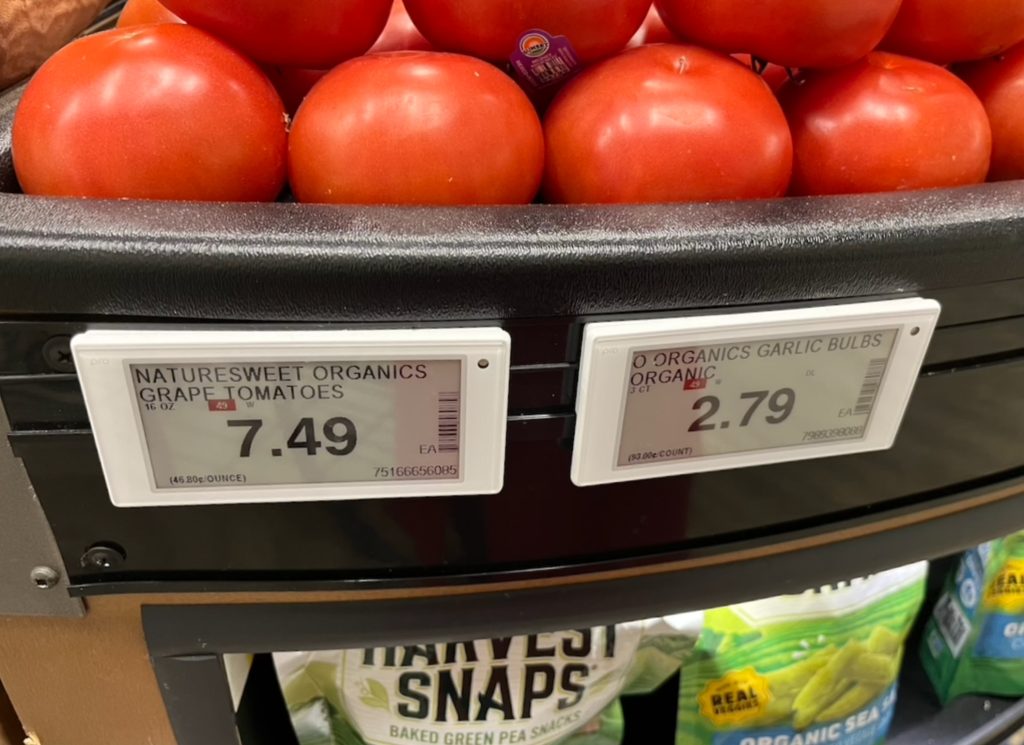
Mayor Katie Wilson and City Councilmembers Alexis Mercedes Rinck and Dionne Foster are advocating for a new policy to stop the price gouging, promote equal discounts for all, and make groceries more affordable.
A hearing was held on the proposal Aug. 7.
“This policy stops corporations from using personal data to squeeze more money out of shoppers,” Wilson said in a statement. “They’re not compiling all this information about us to charge us less; they’re trying to maximize what they can charge.”
Wilson said businesses are free to set their prices in a fair and transparent manner, but the same product, in the same store, should cost the same no matter who’s pushing the cart.
Policy details
The Fair and Transparent Pricing policy would bar large online and brick-and-mortar grocery retailers from using sensitive personal information such as employment status, race, gender, social media posts, browsing history, chatbot conversations, or other similar data to set different prices for different customers.
Prices would be required to be clearly posted and publicly available. Conventional coupons and discounts for seniors, veterans, and other similar groups are protected, as are other types of open and transparent discounts.
The policy was inspired by a growing body of evidence that shows personal information is used to price-max customers by squeezing prices as high as they’re willing to pay. For example, a recent Consumer Reports investigation – which included customers in Seattle – found Instacart conducted AI pricing experiments in which different customers were charge substantially different prices for the same goods.
The Washington state attorney general recently filed suit against the Albertsons chain for a related practice: raising shelf prices at the same time as they offered discounts in an attempt to deceive customers into believing they were receiving a bargain, when the final price remained the same.
Action in New Jersey
The governor of New Jersey recently signed that state’s Fair Price Protection Act, which bars retailers from using consumers’ online activity, location, and other personal information to set personalized prices.
“Groceries are getting more expensive for everyday Seattleites, while the buying, selling, and leveraging our private information to manipulate prices is making big national grocery corporations millions in profits,” said City Councilmember Alexis Mercedes Rinck. “This legislation is intended put some guardrails on what big businesses can do with our personal information.