
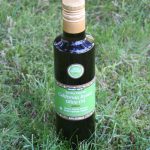
More and more consumers are using extra virgin olive oil, but the U.S. doesn’t have strict standards that prevent companies from adulterating “extra virgin” olive oil with cheaper oils such canola, safflower, or peanut oils.
![Oliveoil[1]](https://ritarrobison.com/wp-content/uploads/2025/09/TPImport/6a00e550081576883401348555bea7970c.jpg)
The U.S. has been a dumping ground for cheap olive oil for years, reports The Los Angeles Times article “U.S. to Crack Down on Smearing of Olive Oil’s Reputation”:
But a lack of strict standards means the U.S. is awash in low-quality, adulterated and even dangerous oils that have made some consumers ill, according to experts. The new rules are voluntary – not mandatory – so the prospect of more slick shenanigans continues.
Connecticut investigators tested dozens of bottles of olive oil from store shelves a few years ago after local producers and consumers complained that there was something fishy – or perhaps nutty – going on. They were right.
It took consumers with peanut allergies a while to figure out that they were getting sick from peanut oil used in cooking rather than the meat or other food items being prepared.
In April, the U.S. Department of Agriculture announced it was revising standards for olive oil. The revised standards include objective criteria for the various grades of olive oil and olive-pomace oil, including definitions for extra virgin olive oil, virgin olive oil, olive oil, refined olive oil, and olive pomace oil. Pomace oil is extracted from pomance, the pulpy olive reside from which virgin olive oil has been extracted.
The USDA regulations also set chemical parameters for freshness and oil purity; for fatty acid levels, which helps distinguish seed oils from olive oils; and for ultraviolet light absorption, which tells how fresh the oil is and how pure the process was during preservation. They include tasting reviews conducted by a panel of USDA experts.
The new standards, which will go into effect in October, come after the California Olive Oil Council, a trade association responsible for most U.S.-produced olive oil, recently adopted its own scientifically verifiable standards.
The standards, which go into effect in October, are voluntary.
Thanks to The Consumerist for posting a link about olive oil standards.




Interesting story about Olive Oil standards in the US. The stuff is definitely pricey. I tend to got with Canola Oil (a quart every two or three months mostly for frying or stir frying). Most of the claimed characteristics of Olive oil but at a far lower cost.
Hi Greg,
I buy organic olive oil at the local co-op when it goes on sale for about $10 a bottle. I use it in cooking, including making sugar-free muffins.
I’ll blog about the benefits of the healthier oils for cooking and salads.
Rita