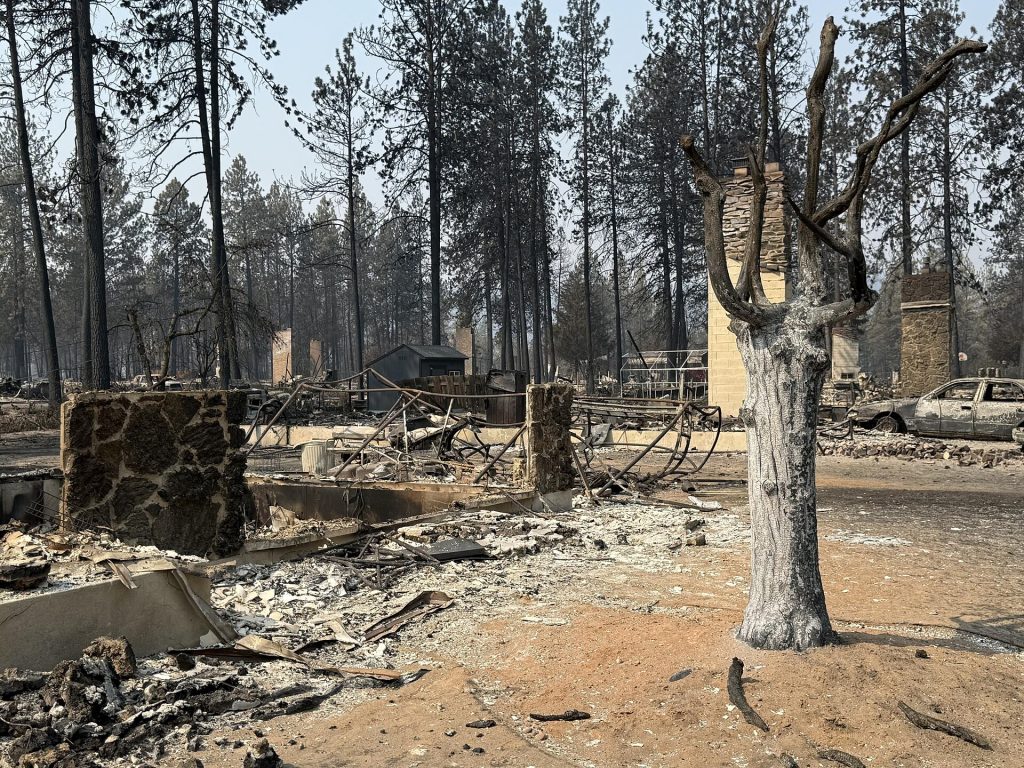
The Consumer Federation of America, or CFA, and United Policyholders, UP, are sharing tips to help survivors of the recent wildfires in the Spokane, Wash., area begin the challenging process of finding temporary housing and rebuilding their lives.
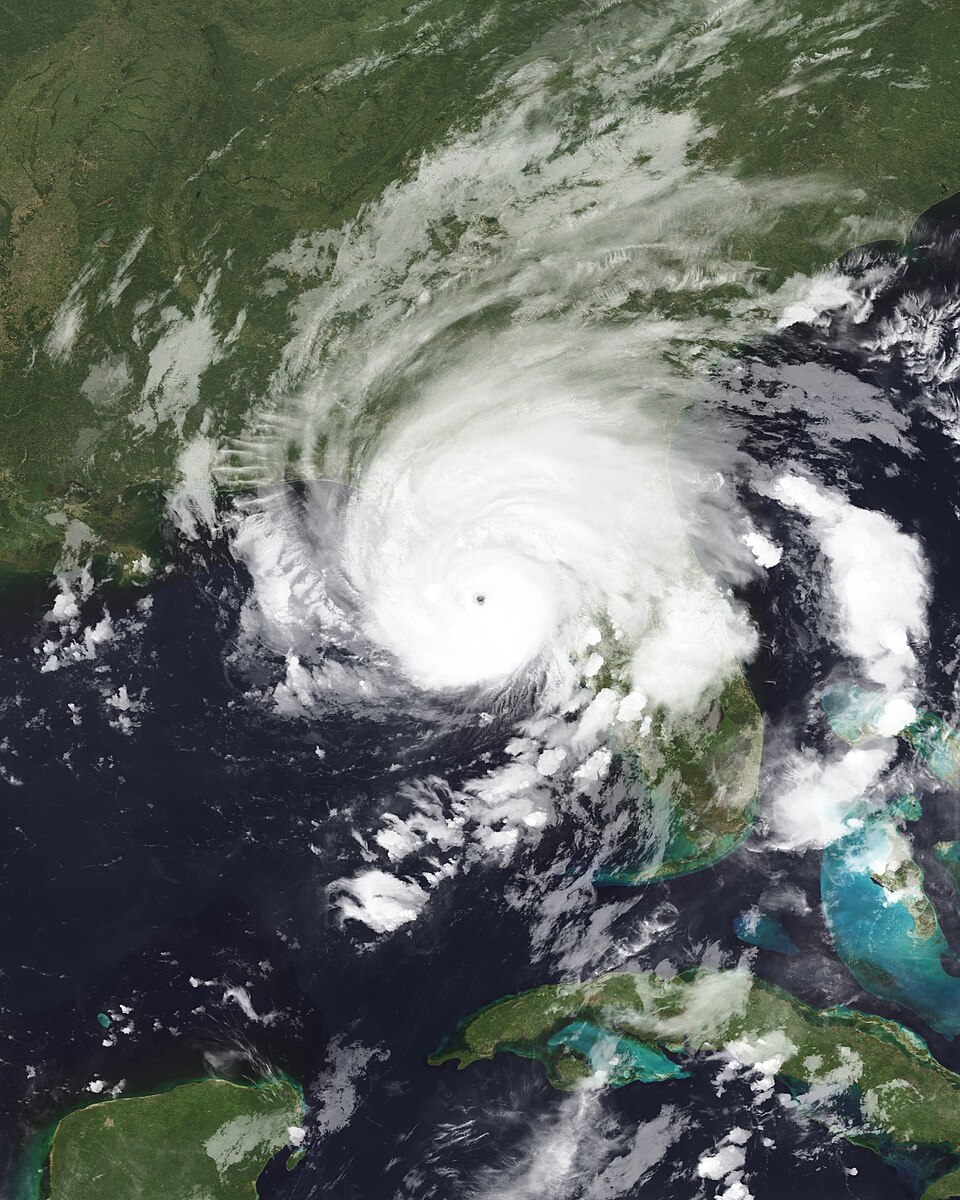
Their suggestions would also be helpful for consumers facing other disasters, such as the storms in the Midwest, to get their homeowners insurance claims paid in full and on time.
“People have paid premiums for years so that when a disaster strikes they have the resources to repair or rebuild their homes and lives,” Douglas Heller, CFA’s director of insurance, said in a statement. “Too often, insurers make the recovery process a second and seemingly endless catastrophe of its own, and that should never be allowed.”
The groups said homeowners with insurance and damaged property should take the following steps:
- Take care of your family’s needs first and follow the instructions of public safety personnel.
- Contact your insurance company as soon as you can, report your claim, and ask for a copy of your policy. When arranging temporary housing, check the available amount of benefits your policy provides for additional living expense, or ALE.
- Keep receipts for all costs you incur due to losing the use of your home and submit them for reimbursement.
- Ask your insurance company for a cash advance for ALE and to start replacing your belongings.
- Thoroughly document the damage to your home in photos and videos, but only if it’s safe. Try to keep damaged items from being removed before they have been photo documented.
- Keep a daily journal, noting every conversation or interaction you have with insurance company adjusters, repair professionals, and anyone else you might hire. Note the name, date, and time of the contact.
- Check the reference and license status of all contractors before you hire or assign any of your insurance benefits to any professional. Unfortunately, post-disaster scams are common. Local help is preferable but if it’s not available, be careful and vet out-of-the-area pros before you sign anything.
- Contact your state Insurance Department if you encounter problems.
CFA, a consumer advocacy group, and UP, a group that helps consumers navigate insurance issues, said they’re also calling on state and federal officials to set clear expectations for insurance companies and to hold insurers accountable if they low-ball or improperly deny claims, delay payments, or make the claims process difficult to navigate.
With California’s investigation of complaints against State Farm after the 2025 Los Angeles wildfires, which found hundreds of violations related to the company’s claims handling, as well as UP and CFA’s experience supporting survivors of many catastrophic events over the decades, the groups identified several potential problems fire and other disaster survivors may encounter. These include:
- Underinsurance – Many people who lose their homes in wildfires and other disasters find themselves unexpectedly underinsured for rebuilding costs, temporary living expenses, or upgrades required by local building codes. If this applies to you, educate yourself on your options.
- Rotating adjusters, poor communication – Your insurer is legally required to process your claim promptly and fairly and keep you informed, but that doesn’t always happen.
- Burdensome and unnecessary requirements to itemize and value every single item you lost. Request a waiver or relaxation of the requirement that you itemize every single item down to individual spices, the contents of your medicine cabinet, and more.
- No insurance – The CFA estimates about 7.4 percent of home owners are uninsured and 64 percent of home owners are underinsured.
- Claim payment delays – Once it’s clear that you’re owed money, your insurer should deliver those funds to you promptly. The CFA recently reported on the incentive in the insurance system that allows the insurance industry to earn as much as $8.8 million a day in investment income when homeowners insurers fail to make timely payments of claims.
The CFA and UP urge state insurance commissioners to closely monitor insurer claim handling, consumer complaints, and claim payouts, and to respond swiftly to any abuses.
“If your insurer is not stepping up or treating you fairly, speak up,” said Amy Bach, executive director of UP.
Bach recommends that homeowners impacted by the Spokane wildfires visit UP’s Spokane fires Roadmap to Recovery claim help library early and often: www.uphelp.org/2026SpokaneFires.
UP offers free guidance on post-disaster repairs, rebuilding, and insurance rules through a Roadmap to Recovery program.
Photo: U.S. Forest Service