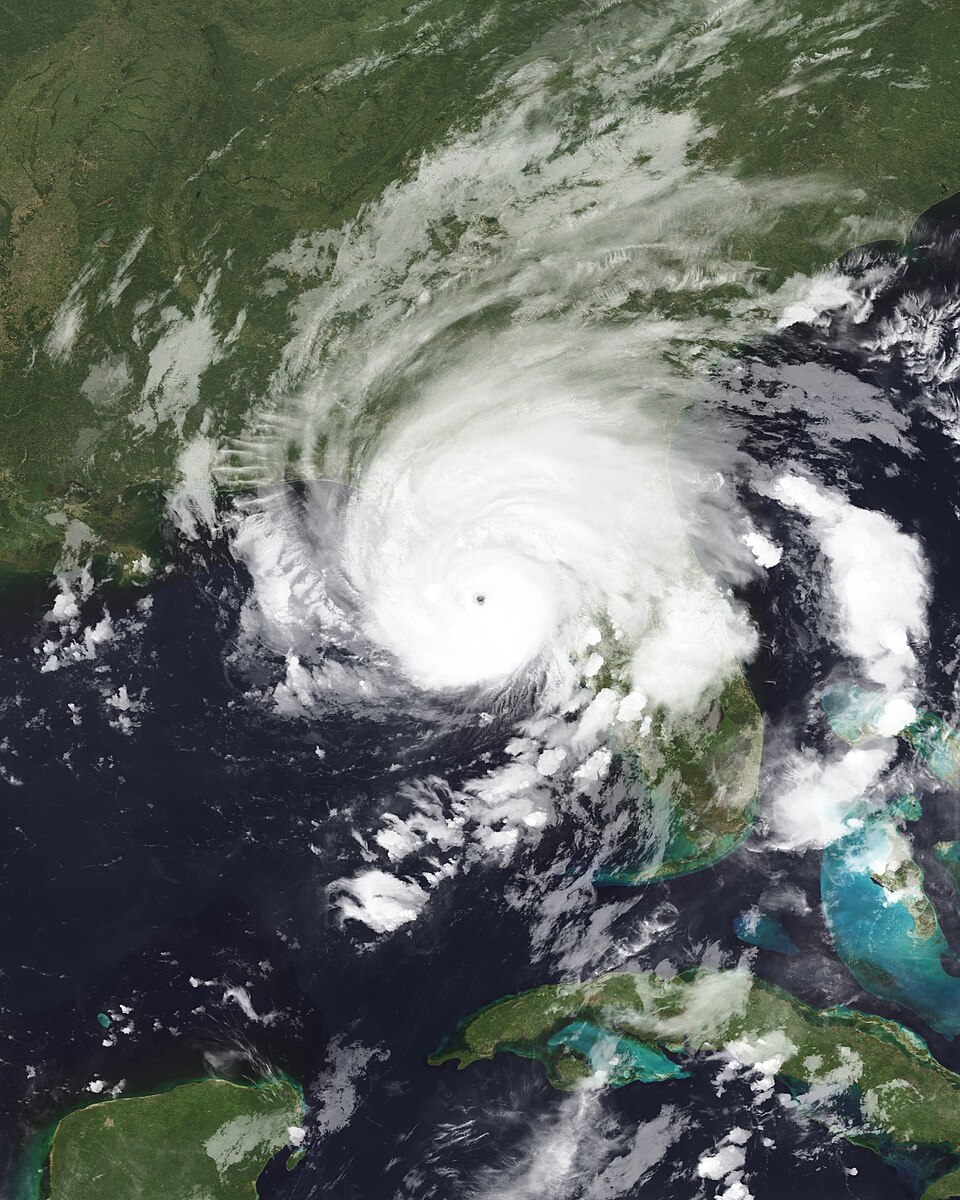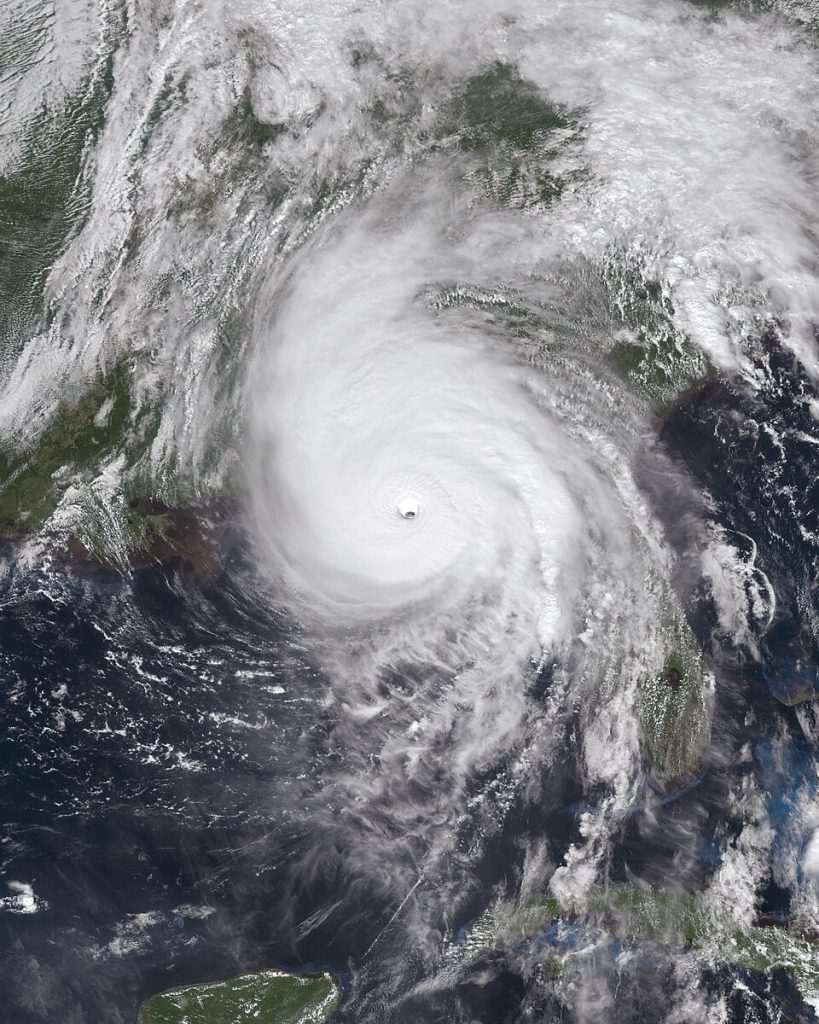
Hurricane Michael damage is expected to be $5 billion from wind damage and $3 billion from flood damage.
Only about one in three families who have flood damage from Hurricane Michael have federal flood insurance. Most homes have homeowners policies covering wind damage, but insurers have been steadily increasing hurricane wind coverage deductibles and imposing other homeowners insurance policy limitations, according to the Consumer Federation of America.
Because so many consumers experienced severe claims problems after Hurricane Katrina and Superstorm Sandy, the federation urges homeowners dealing with losses caused by Hurricane Michael to be vigilant with their insurance companies, including the insurers settling National Flood Insurance claims, to ensure that they receive a full and fair settlement.
Tips for consumers filing flood and wind claims
As consumers prepare to contact their insurance companies after the storm, the federation offers the following tips for filing a claim:
- Report your claim as promptly as possible as insurance companies generally handle them first come, first serve.
- Be sure to write your claim number down. Insurance company claims departments can locate your file most promptly using your claim number.
- Maintain receipts for any expenditures related to immediate repairs you had to make to secure your home or any living expenses, for example, hotel and meals, if you couldn’t return to your home after the storm. In wind claims, you should get reimbursed for living expenses. If your claim is limited to flood insurance, living expenses aren’t covered.
- When the insurance company sends out an adjuster to survey your damage, ask if the person is an employee of the insurance company or an independent adjuster hired by it. If the person is an independent adjuster, ask if he or she is authorized to make claim decisions and payments on behalf of your insurance company and ask for the name of the in-house company adjuster to whom the independent adjuster is sending your information.
- Many insurance companies have repair programs, and they’ll send out one of their approved contractors to estimate your property damage. You can get an estimate from the company’s contractor, but you aren’t obligated to use it. The insurance company may encourage their contractors’ use, because it has advantages for it. Contractors that participate in these programs have likely agreed to unit repair costs set by the insurance company or one of its vendors. Remember, your claim is unique and you need to be sure your repairs will be adequate.
- Beware of fly-by-night contractors who may approach you to repair your home. Make sure any contractor has good references and is insured in case of errors in construction or a worker is injured on your property. Check with the Better Business Bureau near you or with your insurance company if you aren’t sure about the qualifications of a contractor.
“Not all insurance companies handle claims badly, so go into the claims process with an open mind,” said J. Robert Hunter, the federation’s director of insurance. “Be vigilant, though, and be ready to stand up for yourself and your family, or you run the real risk of being shortchanged.”
Keep good records
When you file a claim, you should start a notebook documenting contacts with your insurance company. List the date, time, and a brief description of every exchange. If you need to complain later, this information will be important. If an adjuster doesn’t show up for an appointment or is rude, write it down.
Make as thorough a list of your possessions as you can. Use pictures of your possessions taken before the storm. If you don’t have photos when you file a claim, see if family or friends may have pictures of rooms in your house that may be helpful in recreating a list of your belongings.
You may want to take photos of the damage as part of your documentation if you can do it safely. Don’t climb on the roof. Leave that to others. The adjuster should take his or her own damage photos.
Keep receipts from emergency repairs and costs you incur in temporary housing. These costs may be reimbursable under the “Additional Living Expense” portion of your homeowners’ policy. Insurers are usually good about these initial payments, while the media is focused on the hurricane aftermath, Hunter said, adding most claims problems, if they occur, come later, when larger payments are sought.
As you begin the claim process, if you can, get a repair estimate from a local contractor you know to use as a guide in talking with the adjuster.
If a wind claim is denied or the offer is too low
Ask that the company identify the language in your homeowners’ policy that was the basis for denying your claim or offering too little. This has several benefits:
- The company may be right and you may not know it. Once they pinpoint the language in the policy, you should be able to make this determination. For example, you may have $900 in damage, but the company could point out that you have a $1,000 deductible.
- The company may have put new limitations into the policy and not adequately informed you. If you think that you’ve been misled, you could consult an attorney. The introduction of percentage deductibles – up to 10 percent of the value of a home – will shift much of the cost of Hurricane Michael from insurance companies to insurance consumers, as compared to earlier storms. The practice of shifting the cost of previously insured events back to consumers may be acceptable, but only if consumers are given the option to select the level of coverage they want and are fully informed about it.
- Another restriction new to many policies is a limit on replacement cost payments, which might be applied if a home is totally destroyed. A typical cap is 20 percent above the face value of the policy, while some companies have a cap that is the face value of the policy. If costs surge because of the spike in demand for materials or labor from a major storm such as Hurricane Michael or if your state doesn’t monitor price gouging sufficiently, this limit may apply.
- Another new limit on policy coverage is many insurers no longer cover the cost of additional costs to bring a damaged home up to new building codes, for example, wiring and elevation for flood risk.
- Many insurers use an “anti-concurrent-causation” clause in their policies that, insurers say, removes coverage for wind damage if a flood happens at about the same time, which could be a problem in claims from Hurricane Michael. The federation thinks that these clauses are often ambiguous, so if an insurer uses this clause to deny your wind claim or to offer an inadequate payment, read the provision carefully to see if you think it’s ambiguous and, if so, see an attorney.
- When an insurance company tells you the reasons for its action, it can’t produce new reasons for denying payment or making a low offer at a later time.
- If you review the policy and you think you’re entitled to the full amount of your claim as you read the language the company relied on, you could win if you go to court. Courts consistently rule that if an insurance policy is ambiguous, the reasonable expectation of the insured party will prevail since the consumer played no part in writing the language of the insurance policy, Hunter said.
Where to complain if you have trouble on a wind claim
If you think that the offer is too low or the claim denial is wrong, the best process for getting your complaint resolved is as follows, according to the federation:
- Complain to senior staff in the insurance company. It’s often best to complain to an executive in consumer relations, who is paid to keep consumers happy, rather than an executive in the claims department, who is paid to keep claims costs low. Use the records you have kept since the claim process began. The more serious the insurance company sees that you are in documenting how you were treated, the more likely they will make a more reasonable offer.
- Complain to your state insurance department. All states will seek a response to your complaint from your insurance company, which will give you more information as you consider the next steps if you aren’t satisfied with the response. A few states may intervene on your behalf with the insurance company in cases of bad claims handling. It’s important to dispassionately present your side of the story when you complain, using the notes you’ve been taking, he said.
- See a lawyer. Now the notes you took are even more vital. In addition to an award covering your claim, if your treatment was particularly bad, the courts in many states will allow additional compensation when the insurance company acted in “bad faith,” he said. Since insurance companies take your money in exchange for their promise to make you whole when disaster strikes, they’re required act in good faith in performing that obligation.
What isn’t covered in a homeowners’ policy
Homeowners’ policies don’t cover flood, earthquake, tree removal except when the tree damages the house or food spoilage from power failures.
Use the same methods for a flood insurance claim
The federal government underwrites flood insurance coverage, although insurance companies – known as “Write Your Own” companies – are contracted with the government to service claims. To start a National Flood Insurance Program or NFIP flood insurance claim, follow the same procedure as above or click here. This page provides tips on starting a flood insurance claim, working with insurance adjusters, documenting the damage and cleaning up, and applying for Federal Disaster Assistance, which is also available to NFIP policyholders. If policyholders don’t know their insurance agent or insurance company, they can call the NFIP Call Center at 800-427-4661. If consumers have a policy with NFIP Direct, they can call NFIP Direct Claims at 800-767-4341.
Following Hurricane Michael, the NFIP is offering advanced payments to policyholders on their flood insurance claims. When policyholders contact their insurer, the policyholders can receive an advance payment of up to $5,000 on a flood claim, without an adjuster visit or additional documentation. In addition, policyholders who provide evidence of damage to their insured property through photos or videos, receipts for out-of-pocket expenses related to flood loss, or a contractor’s itemized estimate can receive up to $20,000 in advanced payments.
“Flood insurance claims after both Katrina and Sandy were handled very badly,” said Hunter. “But the service has been better in recent events.”
Hunter said insurers face greater scrutiny by state regulators and Federal Emergency Management Agency because of the serious claims problems that occurred after Hurricane Katrina and Superstorm Sandy.