It’s unlikely the bailout for farmers will result in any savings for consumers.
The Trump administration has announced another multibillion-dollar round of trade-war-related bailouts for the agricultural industry.
The $12 billion the administration is set to give out will likely once again go to the largest and wealthiest farm operations in the country, according to the Environmental Working Group, or EWG, an advocacy organization. The most recent payments are being called a “bridge payment” as the U.S. Department of Agriculture continues to finalize plans for further rounds of payments.
New rules allowing increased payment limits and loopholes created by the One Big Beautiful Bill Act, or OBBBA, will allow corporate farms to take in unlimited amounts of subsidies, the EWG said in a statement. In addition, fewer dollars will be available for small- and medium-size farms, which struggle the most because of the ongoing trade wars.
An EWG analysis of USDA’s payment data shows that:
- 6,430 large farm operations each collected $100,000 or more since 2018 in each of the past three bailouts. Of those, 2,191 operations each took in more than a total of $1 million in government bailout payments from the three bailouts.
- Nearly 400,000 struggling small farmers each received less than $10,000 during the last Trump trade war bailout .
“Farm policies have long supported the largest and wealthiest farms,” Anne Schechinger, the EWG’s Midwest director and an agricultural economist, said. “The Trump administration had an important opportunity to change that but instead chose to send even more money to large and corporate farms and further disadvantage small farms, which are struggling the most under the president’s trade policies.”
Since the new farm subsidies are primarily aimed at providing financial relief to farmers rather than directly saving consumers money, it’s unlikely consumers will see any savings. In addition, since large companies are getting the most relief, they probably won’t opt to reduce prices in a way that will reach consumers.
During the pandemic, I wrote articles on how corporations used supply chain problems to continue to raise prices and keep them high. Fifty percent or more of prices increases during and after the pandemic were price gouging.
Current Agriculture Secretary Brooke Rollins said in May that the administration’s farm policies would support small farmers. But the most recent bailout actions announced are the opposite, according to the EWG.
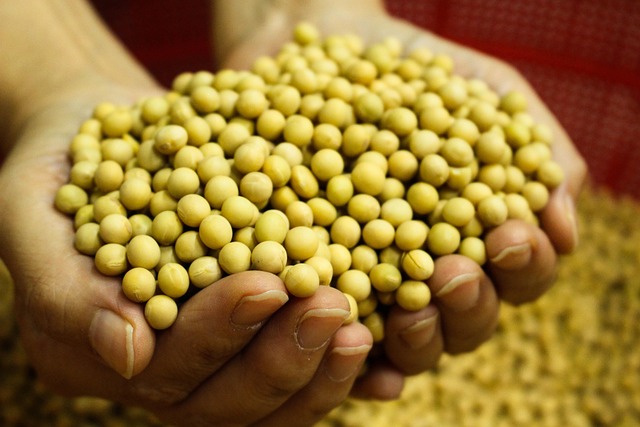
Schechinger said the bailouts are a direct result of the president’s own trade war with China, which decreased the country’s largest soybean market and is now forcing taxpayers to prop up the biggest players, not the farmers who need help the most.
Congress and the administration through the OBBBA increased payment limits for wealthy farms, created loopholes for corporate farms, and allowed more “city slickers” to collect agricultural subsidies, she said.
An EWG analysis of the payment increases guaranteed by the OBBBA shows that fewer than 6,000 farms are likely to receive an increase of more than $5,000 annually. This estimate is based on average increases to payments made to recipients through the Agriculture Risk Coverage and Price Loss Coverage programs during the past five years. The beneficiaries of the payment increases are very likely to be the largest and wealthiest farms, which already get the most from the program.