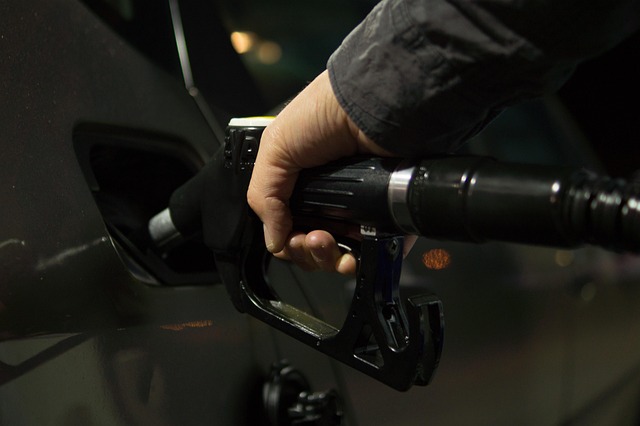
Yes, reducing fuel standards, and making vehicles less efficient, will cost consumers more for gas.
The Trump administration has announced it will begin the process to rollback the Corporate Average Fuel Economy, or CAFE, standards for passenger cars, SUVs, and heavy-duty pickups and vans.
“Rolling back fuel efficiency standards is another Trump policy that will increase costs for Americans, this time at the pump,” Will Anderson, policy advocate for Public Citizen’s Climate Program, said in a statement. “The previous fuel economy standards — which the Trump administration has now said it will not enforce — would have saved Americans $23 billion in fuel costs and reduced our national fuel consumption by 70 billion gallons.”
Americans support strong fuel economy standards, with 96 percent of American drivers saying that fuel economy is at least somewhat important to them when considering what vehicle to purchase or lease, and two-thirds saying that fuel economy is very important or extremely important, Anderson said.
“This is another Trump shell game that shuffles money to Trump’s oil and gas cronies at the expense of Americans’ wallets, health, and air quality,” he said.
In a study, Consumer Reports, a testing and advocacy organization, examined vehicle purchase data for 2003 to 2021 model years vehicles. It found no significant increase in inflation-adjusted vehicle prices.
For the same years, average fuel economy improved by 30 percent, Consumer Reports said. Due to improved fuel standards, the organization’s analysis found that consumers, on average, saved $7,000 in per-vehicle lifetime fuel savings for model year 2021 vehicles compared with model year 2003.
An article by the Center for Economic and Policy Research, an economic policy think tank, said Trump’s CAFE rollback is short sighted bet against America’s energy and economic future.
“In the end, easing up on CAFE rules gives some parts of the auto industry a quick win on regulations, but it misses the bigger picture: we’re losing ground on securing our energy future, protecting the environment, and helping consumers save money. If affordability is the goal, this is the wrong approach,” author Matt Sedlar wrote.