
One in three toys tested by The Ecology Center were found to contain "medium" or "high" levels of chemicals.
Researchers tested more than 1,500 children's toys for lead, cadmium, arsenic, PVC, and other harmful chemicals to provide information for this year's holiday shopping season.
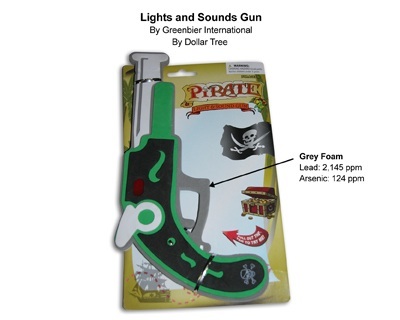
Lead was detected in 20 percent of the toys tested. The lead levels in some of the products were well above the 600 parts-per-million federal recall standard used for lead paint and would exceed the federal legal limit in February under a new law to be carried out by the Consumer Product Safety Commission.
Levels of lead in many toys tested were significantly above the American Academy of Pediatrics recommended ceiling of 40 ppm of lead in children's products. Children's jewelry remains the most contaminated product category, maintaining its spot at the top of HealthyToys.org’s "worst" list.
"There is simply no place for toxic chemicals in children's toys," said Jeff Gearhart, the center’s lead researcher.
The center is a Michigan-based nonprofit organization, which partners with organizations across the country to make information available to the public about toxic toys. The center’s second annual consumer guide to toxic chemicals in toys is available at www.HealthyToys.org.
Parents and grandparents can search by product name, brand, or toy type to see if certain toys have toxic chemicals.
Researchers tested for chemicals that have been associated with reproductive problems, developmental and learning disabilities, hormone problems, and cancer, and for those that have been identified by regulatory agencies as problematic. Babies and young children are the most vulnerable populations because their brains and bodies are still developing, and because they frequently put toys into their mouths, according to the center.
Highlights from 2008 findings:
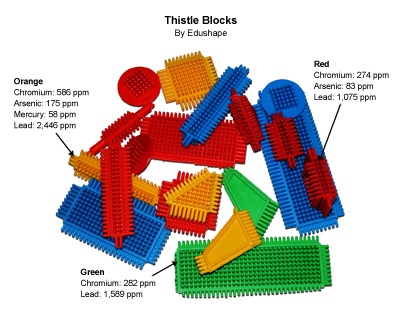
- Lead is still in toys – HealthyToys.org found lead in 20 percent of all the products tested, including 54 products – 3.5 percent – that exceed the current 600 ppm recall threshold for lead-based paint, and next year’s national standard for all children's products. When children are exposed to lead, the developmental and nervous system consequences can be irreversible, according to the center.
- It's not just China – HealthyToys.org hasn’t found a consistent correlation between the country of manufacture and the presence of toxic chemicals in toys. Twenty-one percent of toys from China and 16 percent of those from all other countries had detectable levels of lead in 2008 tests. Seventeen toys manufactured in the U.S. were sampled and 35 percent of those had detectable levels of lead. Two toys had levels above 600 ppm. Among the highest lead levels detected – 190,943 ppm – in HealthyToys.org testing was in a Halloween Pumpkin Pin made in the USA.
- It's not just lead – HealthyToys.org found a significant number of toys containing cadmium, mercury, arsenic, and bromine. Nearly 3 percent – 45 products – had bromine at concentrations of 1,000 ppm or higher. This indicates the likely use of brominated flame retardants – chemicals that may pose hazards to children’s health. Other toxic chemicals found in the toys tested include arsenic, cadmium, and mercury. Arsenic was detected at levels greater than 100 ppm in 22 or 1.4 percent of toys and 289 or 18.9 percent of toys contained detectable levels of arsenic. Cadmium was found above 100 ppm in 30 or 1.9 percent of the toys and 38 or 2.4 percent of the toys contained detectable levels of cadmium. Mercury was found above 100 ppm in 14 or 1 percent of products and 62 or 4.2 percent of products contained detectable levels of mercury.
- Polyvinyl chloride (PVC/vinyl) – HealthyToys.org identified products made with PVC plastic by measuring their chlorine content. PVC is a problematic plastic because it creates major environmental health hazards in its manufacture and disposal and can contain additives, including phthalates that may pose hazards. Twenty-seven percent of toys (excluding jewelry) tested this year by HealthyToys.org were made with PVC.
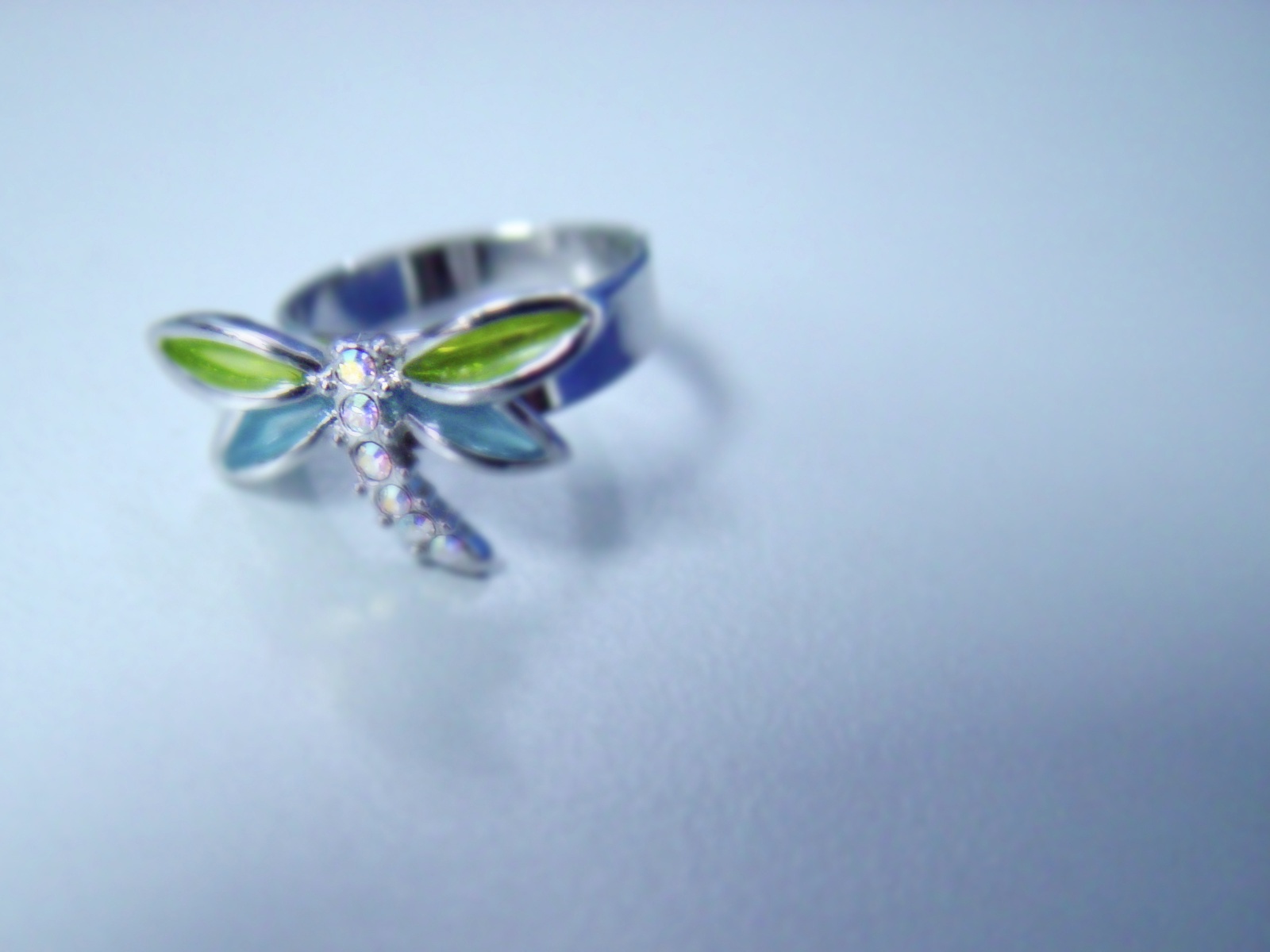
- Jewelry – Jewelry remains the most contaminated product category tested. Children's jewelry is five times more likely to contain lead above 600 ppm than other products. Fifteen percent of jewelry samples – compared to 3 percent of other products – had lead levels above 600 ppm. Overall, jewelry is twice as likely to contain detectable levels of lead as other products. Numerous Hannah Montana brand jewelry items tested high for lead, according to the center. HealthyToys.org recommends that consumers avoid low-cost children's jewelry.
The good news, the center said a statement on its 2008 toy report, is that 62 percent or 954 of the products tested contain low levels of problem chemicals, including 324 that contained none of the chemicals.
“These products look and feel no different than other children's products on the shelf,” said Gearhart. “These findings show that manufacturers can and should make toys free of unnecessary toxic chemicals.”




Lead poisoning creating more problems in the toys.Any one has to take step to reduce this lead in toys.
Thanks for the information on the device that tests for chemicals in products.
Rita
If we continue on this tend of toxic toys, I am exclusively going with electronics. But then not all parents have this choice if their children are too young to play a WII.
Yes, it’s good to think of alternatives to plastic toys, metal, and painted toys for children. A friend of mine buys books. Electronics are a good idea.
Rita
Good information. I would like to know the work done on this issue by anybody else.
JB Vyas