The Thrifty Food Plan, a formula created in 1975 by the U.S. Department of Agriculture, determines the amount SNAP benefits millions of Americans receive.
In 2021, it was increased for the first time since the program began. The benefit was raised by 21 percent, and changes, such as substituting canned beans for dried, were adopted to take into consideration new ways food was being prepared.
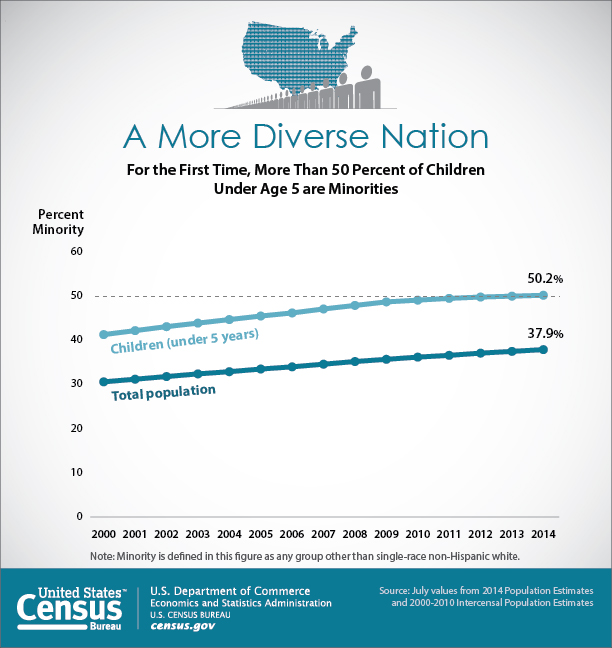
In 2024, 42.2 million people were on food stamps, which is 12 percent of the U.S. population.
The average person on food stamps received $211.93 monthly in 2023 or $7.06 a day, according to the ILGive, a website that provides information on SNAP.
Years ago, for an article, my family tried living on a food stamp plan for a month. We didn’t actually have food stamps, but our goal was to spent the amount that a family with two children would spend if they had food stamps.
It’s one of the most famous articles I’ve written in my long journalism career.
Things we learned during the month-long experiment:
- It was discouraging to take the time to find the cheapest brand of everything and also discouraging not to be able to buy anything extra.
- The U.S. Department of Agriculture menus that we prepared had too much starch. We had coffee cake, pound cake, and peanut butter cake for dessert. We usually had fruit for dessert and thought we’d enjoy sweet desserts, but it was too much starch.
- We went back to low-cost versions of our regular meals rather than using the Cooperative Extension meals from the USDA.
- We used a master mix recipe from Cooperative Extension. It’s flour, baking powder, salt, sugar, and shortening mixed together, allowing for quick preparation of various baked goods such as biscuits, muffins, and cakes.
- It was difficult not to be able to invite company for dinner, for adults and for the kids, too.
- We missed having lots of snacks.
- It was disappointing not to have any alcohol except when we visited friends.
- The family did like me getting up early and making pancakes or French toast.
- The kids didn’t like some of the Cooperative Extension recipes such as Liver Teriyaki and Tastee Burgers, a vegetarian burger.
I wrote the following summary when we finished our food stamp month:
The purpose of living on a low-income food budget for a month was to learn what it is like continually to face the problem of making nutritious meals with a limited amount of money. While the experience did provide a window to the world of the food stamp recipient and our thoughts were often with the poor, we also painfully examined our food pattern.
We learned that we reward ourselves with food. During food stamp month, we turned to other ways to treat ourselves and overspent our non-food budget by $186.
We found out what it’s like to be hungry. I lost five pounds and Dan lost two, while Mona and Lisa reported their weight stayed about the same.
Dan was impressed because we could cut so much and still have good meals. He said he now recognizes how much he spends on junk food and how that makes our food bill go up.
I actually enjoyed getting up at 6 a.m. and making breakfast. I also developed a new interest in cooking attractive, tasty meals.
And we learned it takes time to save money on food. We spent over 20 hours shopping, baking and meal planning for our month of food stamp meals.
But most of all, I was grateful to be able to return to normal meals.
Reading the article again, I remembered the stress of having limited money for food. That 12 percent of Americans need SNAP assistance to meet their food needs is unacceptable. More needs to be done to create good-paying jobs that meet family needs.