

It probably would have been a better idea to write this article before I did the pruning.
Hydrangeas don’t like to be pruned. What I’ve done most years is just cut off the blooms, using some of them in flower arrangements. However, the bush is getting too big.
I love this hydrangea for two reasons.
First, my niece Debra bought the lacecap hydrangea for my mom when she was in a nursing home. I took it home and planted it in my yard. Fortunately, it thrived, unlike several other gift plants I tried to grow.
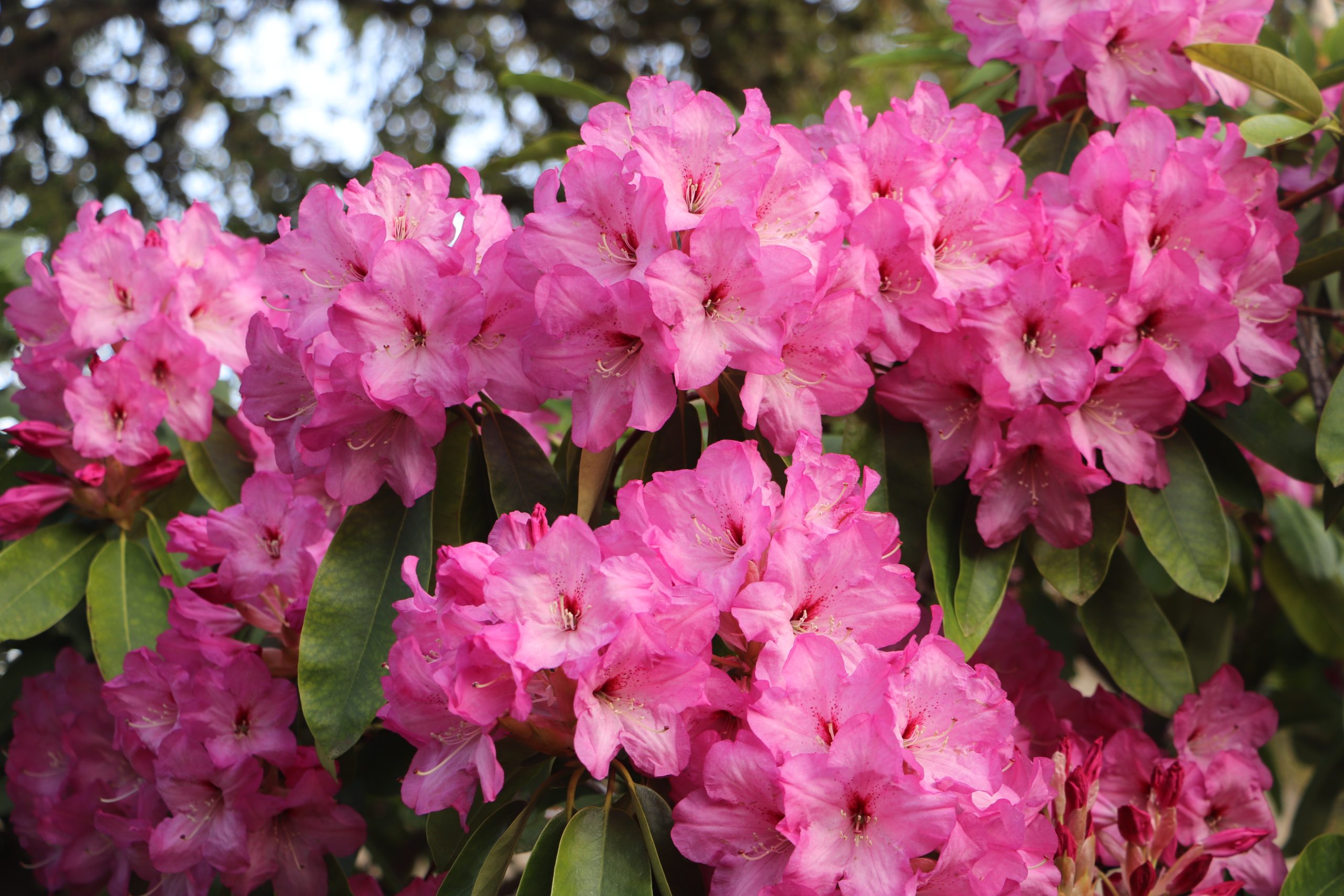
Second, I have 40 rhododendrons and 12 azaleas in my yard. In the spring, I have a flood of color around my house. The rest of the year, there’s not many flowers. I love it when the hydrangea blooms after the rhododendrons.
One year, we pruned the hydrangea and it didn’t have any blossoms the next year. I hope that’s not what’s in store for 2027.
It’s important to know the different types of hydrangeas and their specific pruning requirements, the University of Georgia’s Extension in Fulton County recommends. They are:
Bigleaf hydrangea – Hydrangea macrophylla
Known for their large, round flower clusters, bigleaf hydrangeas bloom on old wood. This means they set their flower buds in late summer or early fall for the following year’s blooms. Pruning at the wrong time can remove these buds, resulting in reduced flowering. Prune immediately after flowering, usually in late spring or early summer.
Panicle hydrangea – Hydrangea paniculata
Panicle hydrangeas produce cone-shaped flower clusters and bloom on new wood. They’re more forgiving when it comes to pruning timing and can be pruned in late winter or early spring before new growth emerges. Since they bloom on new wood, pruning encourages vigorous growth and abundant flowering during the upcoming season.
Smooth hydrangea – Hydrangea arborescens
Smooth hydrangeas produce large, white flower heads and bloom on new wood. Like panicle hydrangeas, they can be pruned in late winter or early spring.
Oakleaf hydrangea – Hydrangea quercifolia
Oakleaf hydrangeas feature distinctive oak-shaped leaves and produce cone-shaped flower clusters. They bloom on old wood, so pruning should be done immediately after flowering usually in late spring or early summer to avoid removing next year’s buds.

My hydrangea is a lacecap, shown above, and it falls in bigleaf hydrangea category. I hope I’m not in trouble for pruning in mid-summer and get no blossoms next summer.
I didn’t recall seeing oakleaf hydrangeas, but I did see some Friday when I went to Gig Harbor, Wash. I wanted to stop and take a photo because they were along the sidewalk. However, I couldn’t find a place to pull over quickly.
Fulton Extension offers these pruning tips:
· Remove dead or damaged wood: Begin by cutting out any dead, diseased, or damaged branches. Make clean cuts just above a healthy bud or lateral branch.
· Shape the plant: Trim back any overly long or straggly branches to maintain a neat and compact shape. Aim to create a balanced silhouette while preserving the plant’s natural form.
· Thinning out: To improve air circulation and reduce overcrowding, selectively thin out interior branches. This helps prevent disease and promotes better light penetration, leading to healthier growth and more abundant blooms.
· Deadheading: After flowering, deadhead spent blooms by cutting the flower stalks back to a pair of healthy buds or lateral branches. This encourages the development of new growth and may result in additional blooms later in the season.
Final thoughts
Do research before you begin a new pruning project in your yard.



It is true they bloom from their old stems, but they only bloom from the tips on the outermost buds. My preferred method for these is soon as the leaf buds start to visibly swell you prune back at the fork where the biggest buds are emerging. And for hydrangeas in full sun or exposed to sub-freezing weather they will grow/bloom better if you wait to deadhead until after the spring buds are fully emerged and starting to elongate.
Thanks. I’ll check for the leaf buds and deadhead after spring buds are fully emerged.