
Two burger chains, Shake Shack and BurgerFi, are serving beef raised without the routine use of antibiotics. They were the only restaurants to earn an “A” in the fourth annual Chain Reaction scorecard developed by six consumer and environmental groups. The vast majority of hamburger chains – 22 of the top 25, including top sellers such as McDonald’s – received an “F” grade because they lack established policies restricting antibiotic use in their beef supply chains.
“We should all be worried that so many restaurants are failing when it comes to antibiotic stewardship,” said Elise Orlick, director of the WashPIRG Foundation. “We need more burger chains to follow the lead of BurgerFi and Shake Shake and commit to protecting our life-saving medicines. Antibiotics are too important to lose and these companies can use their purchasing power to protect our health.”
The scorecard shows the lack of progress in the beef industry, the largest buyer of medically-important antibiotics among food animal sectors, in addressing antibiotic overuse. Public health experts warn that the widespread overuse of antibiotics for meat production is making these medications less effective by contributing to the creation and spread of drug-resistant bacteria called superbugs.
Among the scorecard’s key findings:
- Failing grades for most chains: Twenty-two burger chains, including McDonald’s, received an “F” grade because they lack meaningful policies to govern antibiotic use in their beef supply chains.
- A new generation leads the way: BurgerFi and Shake Shack received the only two “A” grades in the burger scorecard. Both companies currently serve only beef raised without antibiotics.
- A baby step by a big company: Wendy’s received a “D-” because it buys 15 percent of its beef supply from producers that have reduced the use of one medically important antibiotic, tylosin, by 20 percent.
- Don’t just take their word for it: Shake Shack and Wendy’s, two of the three burger chains with passing grades, got points for using suppliers who have a third party verify their antibiotic use.
- Intention without follow-through: McDonald’s, the largest beef purchaser in the United States, has announced a vision for antibiotic stewardship for its meat supply chain but hasn’t committed to a timeline to carry it out beyond chicken. In-N-Out Burger also has publicly pledged to source meat raised without routine antibiotics but it hasn’t committed to a timeline either.
- Local Chains Lead the Way: Burgerville based in Washington state received an honorable mention for its a beef policy. As a chain in Washington, Burgerville is making a significant impact in stopping the overuse of antibiotics with its commitment to not serve any meat raised with routine antibiotic use.
“There’s nothing more American than a hamburger,” said Matt Wellington, program director for U.S. PIRG Education Fund’s Antibiotics. “But for the sake of our health, we need influential restaurants such as McDonald’s to take a bite out of antibiotic overuse in the beef industry. Restaurants need to demand antibiotic restrictions from their beef suppliers. We simply cannot afford to lose life-saving medicines to produce a slightly cheaper burger.”
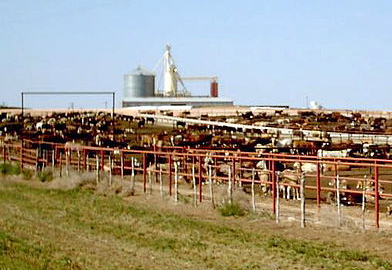
About 70 percent of the medically important antibiotics sold in the United States go to food-producing animals. Of medically important antibiotics sales to the livestock sector, 43 percent of the drugs go to the beef industry, more than any other meat producers. Farmers often give these antibiotics to healthy cattle to make up for stressful, crowded, and unsanitary conditions on the industrial feedlots where nearly all cattle spend a portion of their lives.
“Antibiotics should be used to treat disease, not as a crutch to compensate for poor production practices,” said Orlick. “If we continue to overuse antibiotics in the beef industry, we push ourselves closer to a world in which common infections can once again kill.”
Each year, more than 2 million Americans suffer antibiotic-resistant infections, and at least 23,000 dies. Antibiotic-resistant bacteria are among the top threats to global public health, according to the World Health Organization and Centers for Disease Control and Prevention.
A 2018 Consumer Reports survey of 1,014 adults found that 78 percent of respondents agreed that meat producers should stop giving antibiotics to animals that aren’t sick. Fifty-nine percent said they would be more likely to eat at a restaurant that serves meat raised without antibiotics.
The scorecard was produced by the U.S. PIRG Education Fund, the Center for Food Safety, Consumer Reports, Food Animal Concerns Trust, Friends of the Earth, and the Natural Resources Defense Council.




That’s so terrifying. I avoid fast food joints except for an occasional In and Out but have been avoiding that because they donated to you know who. Makes you want to go vegetarian.
Hi Rebecca,
Yes, I’ve been avoiding fast food since I read “Fast Food Nation: The Dark Side of the All-American Meal.” It said McDonald’s highly processes food, then puts chemicals back in to make it taste like real food again.
I’ve also been avoiding red meat, but I do have it occasionally.
Rita