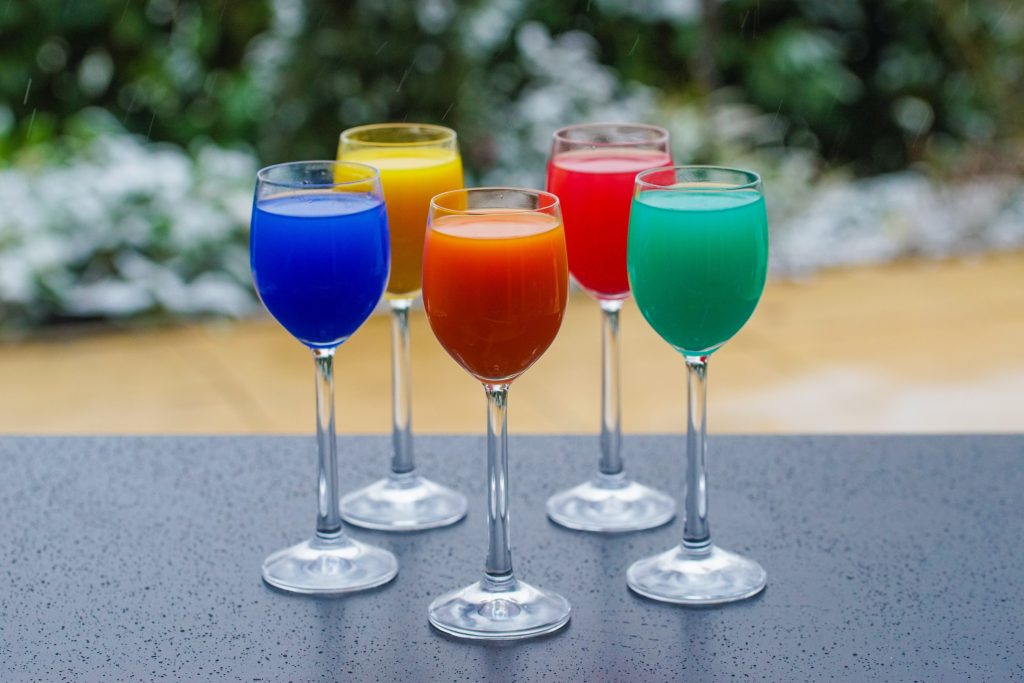
Alcohol consumption is down so companies are adding so called “healthy” items to wine, beer, and other alcoholic beverages.
When I went to Total Wine Friday to see what they had for wine tasting, I tasted a wine that had beetroot added. The sales representative told us that the beetroot was healthy.
Alcohol consumption is declining.
A record low 54 percent of Americans reported last summer that they drink alcohol – down from 58 percent the year before and 62 percent in 2023, according to a Gallup poll. And, a majority of Americans, 53 percent, say drinking just one to two drinks a day is bad for health.
Alcohol companies turning to flavored options to increased consumption.
To counteract declining consumption, alcohol makers are putting flavors in their products.
One example is spicy and sweet beverages with flavors that include mango habanero, chili lime, and pineapple jalapeno, PennState University said in an analysis of alcoholic beverage trends. Other flavors being added to alcohol are chocolate, caramel, toasted coconut, and coffee.
In addition, ingredients such as beef tallow, chicken bouillon, and monosodium glutamate are being added to cocktails for an umami taste.
For floral flavors, elderflower, lavender, hibiscus, yuzy, and tamarind are being added to cocktails and wines.
Emerging beer flavors include caramel, lemonade, key line, hazelnut, plum, blue raspberry, cream, nut, and coffee.
Flavored vodka’s are also being sold, not only with traditional fruit flavors but with bacon, jalapeño, and wasabi flavors as well.
More lower-alcohol and sustainable products are being offered due to consumer interest.
Since consumers are interested in more healthy ingredients, especially young people, alcohol companies are also offering lower- and no-alcohol products and are making more organic and sustainable products, the PennState Extension research shows.
Alcohol is a carcinogen and causes other health problems, too.
Studies show there’s no safe level of drinking alcohol. It’s one of the major causes of death in the world today.
A recent study showed deaths and overall poor health caused by alcohol for 23 health outcomes including:
- Cardiovascular diseases: atrial fibrillation and flutter, hemorrhagic stroke, ischemic stroke, hypertensive heart disease, ischemic heart disease, and alcoholic cardiomyopathy.
- Cancers: breast, colorectal, liver, esophageal, larynx, lip and oral cavity, and nasal.
- Other non-communicable diseases: cirrhosis of the liver due to alcohol use, diabetes, epilepsy, pancreatitis, and alcohol use disorders.
- Communicable diseases: lower respiratory infections and tuberculosis.
- Intentional injuries: interpersonal violence and self-harm.
- Unintentional injuries: exposure to mechanical forces; poisonings; fire, heat, and hot substances; drowning; and other unintentional injuries.
- Transportation-related injuries.
Alcohol kills an estimated 1.8 million to 3 million people worldwide a year, with 178,000 in the United States, according to an article by ThinkGlobalHealth, a website that examines changes in health.
What consumers should do about drinking alcohol.
Drinking less is better for your health than drinking more, the Centers for Disease Control and Prevention advises. By drinking less alcohol, you can improve your health and well-being.
The alcohol industry is fighting against efforts to inform consumers about the dangers of consuming alcohol.
The alcohol industry continues to fight the placement of health warnings on alcoholic beverages.
The Treasury Department’s Alcohol and Tobacco Tax and Trade Bureau, or TTB, is only including serving size, number of servings per container, percent alcohol by volume, and amounts of calories, carbohydrates, fat, and protein in its proposed alcohol labeling rule.
Consumer and health groups would like to see specific moderate drinking advice, such as offered in the 2020-2025 Dietary Guidelines for Americans, offered on the label in addition to more nutrition information.
In addition, some in the alcohol industry are questioning the science showing the harms of alcohol and say health, consumer, and other advocates are having undue influence with regulators and in the public sphere, ThinkGlobalHealth said in its article.