Until I received a news release on it about five years ago, I was one of the many Americans who didn’t know that alcohol causes cancer.
Over the years, I’ve written many times about the need to label alcohol so more people, especially young people, know about the risk
The Treasury Department’s Alcohol and Tobacco Tax and Trade Bureau, or TTB, is considering two proposed rules, one to require “Alcohol Facts” nutrition labels and one to require allergen disclosures.
The proposals, if finalized, would be an important step for ensuring consumers have access to the information they need to make informed choices, follow health guidelines, and avoid allergic reactions.
They were published in January after the Center for Science in the Public Interest, or CSPI, Consumer Federation of America, and National Consumers League sued the Treasury Department in 2022 for failing to act on a 2003 citizens petition seeking mandatory, comprehensive, uniform labeling of alcoholic beverages.
TTB’s proposed Alcohol Facts label and allergen disclosures would be similar to the Nutrition Facts label and allergen disclosures required on FDA-regulated foods and beverages.
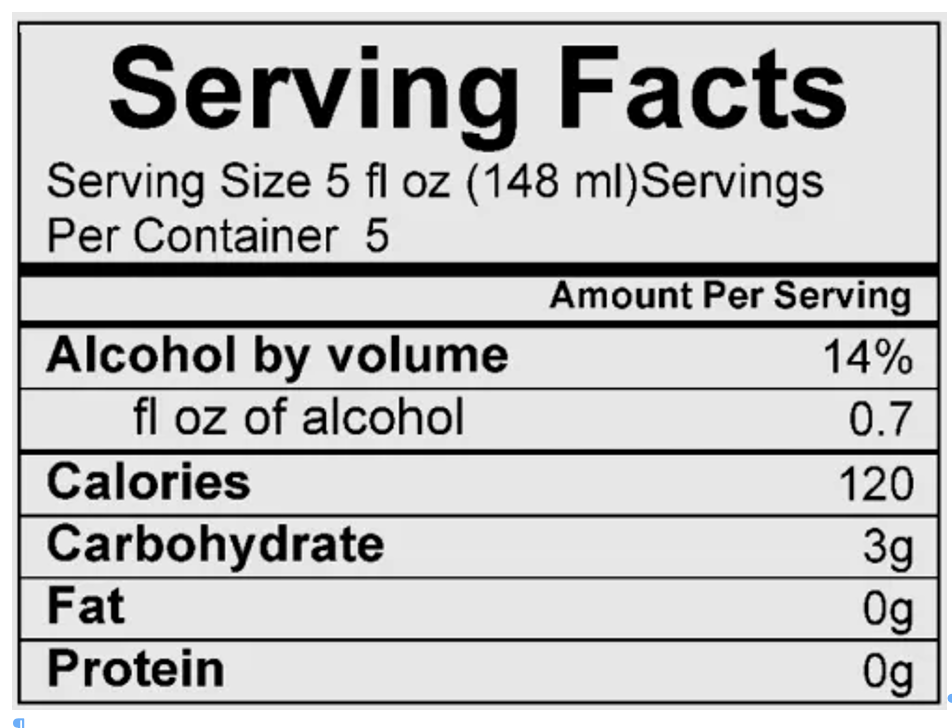
On Friday, the CSPI commented it agreed with TTB’s proposed Alcohol Facts labels that include serving size, number of servings per container, percent alcohol by volume, and amounts of calories, carbohydrates, fat, and protein.
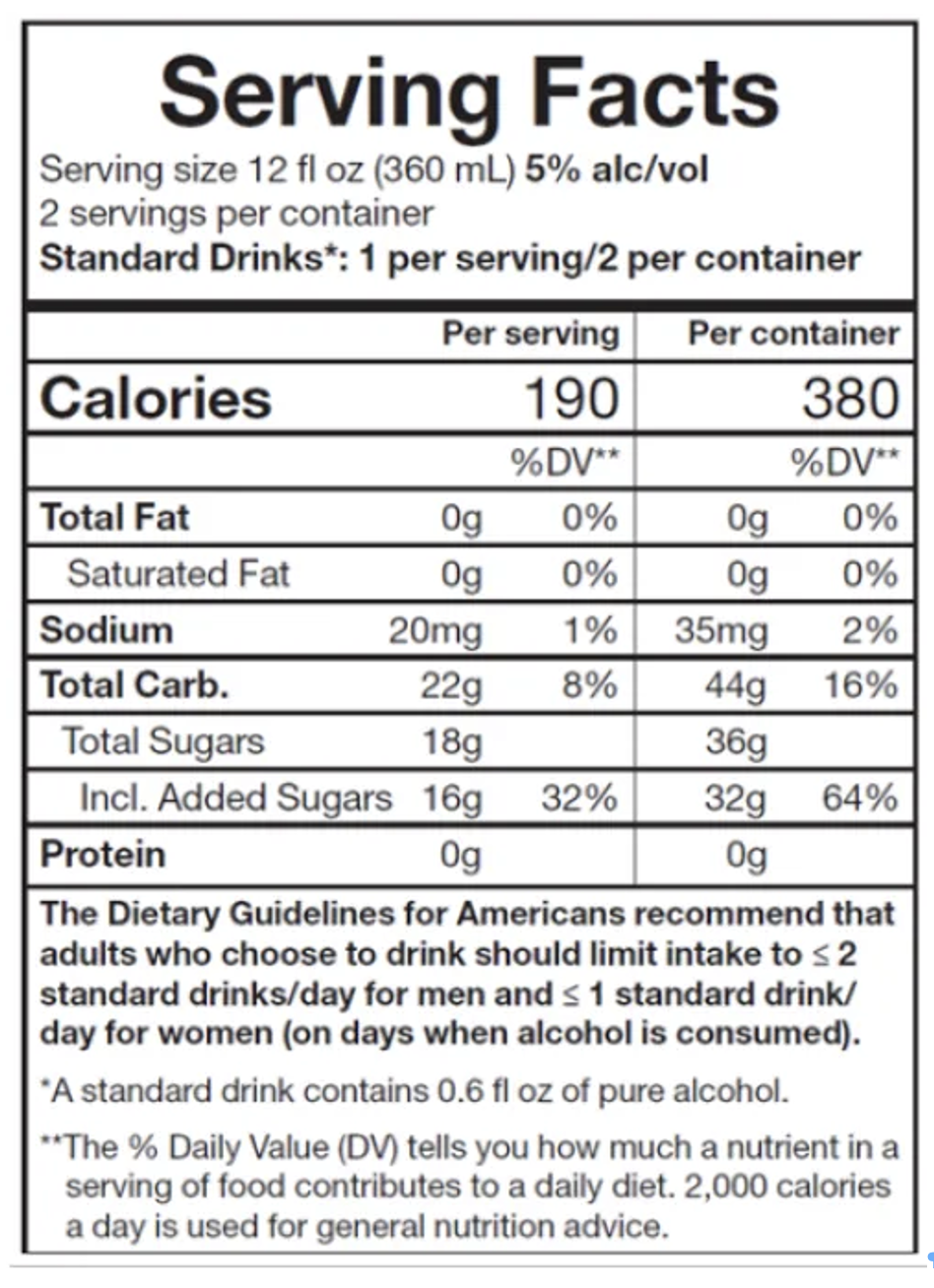
The CSPI also calls on TTB to require additional information as part of the label, including amounts of total sugars, added sugars, saturated fat, and sodium, percent Daily Value for each nutrient based on a 2,000-calorie diet, number of standard drinks per container and the definition of a standard drink, and specific moderate drinking advice such as offered in the 2020-2025 Dietary Guidelines for Americans.
The CSPI’s comment also said the TTB’s proposal on allergies will help protect the 11 percent of U.S. adults with food allergies.
It also urges TTB add a third rule mandating full ingredients labeling for alcoholic beverages. It would reveal all of the additives and other ingredients used in alcohol and was part of the original CSPI petition request and following lawsuit.
In settling that case, TTB agreed to issue a proposed rule on ingredient labeling in addition to nutrition and allergen labeling rules and had submitted an advanced notice of proposed rulemaking to the White House for review in May 2023.
However, that proposal, which would have provided enhanced ingredient information for alcohol, was withdrawn by the Trump administration, leaving only the proposed rules on nutrition and allergens under consideration.
Eva Greenthal, CSPI senior policy scientist, said there’s broad public support for alcohol content, ingredient, allergen, calorie, and nutrition information on alcohol labels.
“Alcohol is a leading cause of preventable chronic disease, but has been entirely missing from the conversation around ‘Making America Healthy Again,’” Greenthal said. “In addition to the harms of alcohol itself, many alcoholic beverages contain the same added sugars and harmful additives that RFK Jr. has characterized as poison. To make good on its promise of radical transparency in the interest of health, the administration should finalize the proposals to require nutrition and allergen disclosures for alcoholic beverages and revive the proposal for ingredient labeling.”
The CSPI also submitted comments on the Alcohol Facts label and allergen disclosure proposals on behalf of coalitions urging the TTB to promptly finalize the proposals. Among the groups signing the letter are Alcohol Justice, the American Society for Nutrition, the Consumer Federation of America, Consumer Reports, the National Consumers League, and U.S. Alcohol Policy Alliance.
CSPI’s proposed alcohol serving facts label using nutrition information from an Angry Orchard Hard Cider
TTB’s proposed alcohol serving facts label
While it’s unlikely that TTB will adopt the recommendations of the health and consumer groups, I hope Congress will act to inform the public so the 100,000 cancer cases and the 20,000 deaths caused by alcohol consumption every year can be prevented. It’s shocking that only 45 percent adults are aware cancer deaths can be prevented by reducing or eliminating alcohol consumption.