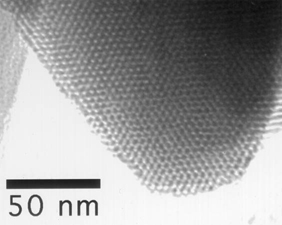
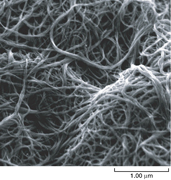
 You may not be aware that nanoparticles are being used sunscreens, cosmetics, clothing, supplements, packaging, and first aid creams. The question is, “Is the use of nanoparticles in food safe for consumers?”
A coalition of consumer advocacy groups in the United States and abroad has released a policy recommendation for companies in food industries to help them in avoid or reduce the risks from nanomaterials in food products and packaging.
The recommendation asks that companies: adopt a detailed public policy explaining their use of nanomaterials; publish a safety analysis for any nanomaterials being used; issue supplier standards; label all products that contain nanoparticles smaller than 500nm; and adopt hazard controls to prevent exposure of its employees to nanomaterials.
Nanomaterials are engineered materials containing extremely small particles; a human hair is 100,000 nanometers wide.
Studies show that a range of health harms may be caused by ingestion or inhalation of nanomaterials.
The U.S. Food and Drug Administration, which hasn’t issued nanomaterials regulations for food additives, states in its guidance that they “are not aware of any food ingredient… on the nanometer scale for which there are generally available data sufficient” to determine that the ingredient is Generally Recognized As Safe.
The nanoparticle recommendation developed by the coalition reflects an emerging consensus that using nanomaterials in foods is a risky business, said Danielle Fugere, president of As You Sow. “Using technology before it is proven safe exposes consumers to health harms and companies to the risks of litigation and consumer backlash.
“The FDA needs to complete regulations which mandate the kinds of tests that nanomaterials need to undergo before FDA review,” said Jaydee Hanson, senior policy analyst at the Center for Food Safety. “It needs to formally exclude nanomaterials from Generally Recognized As Safe. All nanomaterials used in food should be considered new food additives and should be reviewed accordingly. The FDA needs to stipulate which sizes of nanoparticles can be used in food.”
Steve Suppan, senior policy analyst at The Institute for Agriculture and Trade Policy, said the FDA’s voluntary guidance on nanomaterials in food and its refusal to regulate nanomaterials in food leaves consumers reliant on the good intentions of industry-self regulation.
“It is time for food manufacturers to disclose whether they use nanomaterials in their food and food packaging and release safety reviews of these additives,” said David Andrews, Ph.D., senior scientist at the Environmental Working Group. “The use of emerging nanotechnology may revolutionize the food industry, but safety must come first.”
The nanomaterials policy recommendation was developed by As You Sow, Center for Food Safety, Center for International Environmental Law, Environmental Working Group, Food and Water Watch, Friends of the Earth, The Institute for Agriculture and Trade Policy, The International Center for Technology Assessment, and The International Union of Food, Agricultural, Hotel, Restaurant, Catering, Tobacco and Allied Workers' Associations.
The coalition offers a fact sheet to inform companies and consumers about the potential risks of nanomaterials.