 When I’m around someone who’s vaping or smoking an electronic cigarette, I get nausea just like I do from cigarette smoke.
Right now, the U.S. Food and Drug Administration is in the process of developing regulations for e-cigarettes.
But the Centers for Disease Control and Prevention is concerned because the advertising for e-cigarettes is skyrocketing along with the number of young people who are using them.
Most e-cigarettes contain nicotine, which causes addiction, may harm brain development, and could lead to continued tobacco product use among youth, according to the CDC.
The CDC said in 2014, about 2.4 million middle and high school students were users of e-cigarettes.
Nearly 70 percent of middle and high school students were exposed to e-cigarette advertisements in retail stores, on the Internet, in magazines/newspapers, or on TV/movies, the CDC said in a report.
Exposure to e-cigarette advertisements may be contributing to increases in e-cigarette use among youth, the agency said.
The CDC is urging states, communities, and others to take action to reduce this exposure.
States and communities can:
- Fund tobacco prevention and control programs at CDC-recommended levels to prevent youth use of all tobacco products, including e-cigarettes.
- Work to limit where and how all tobacco products, including e-cigarettes, are sold to reduce youth e-cigarette use, as well as ad exposure.
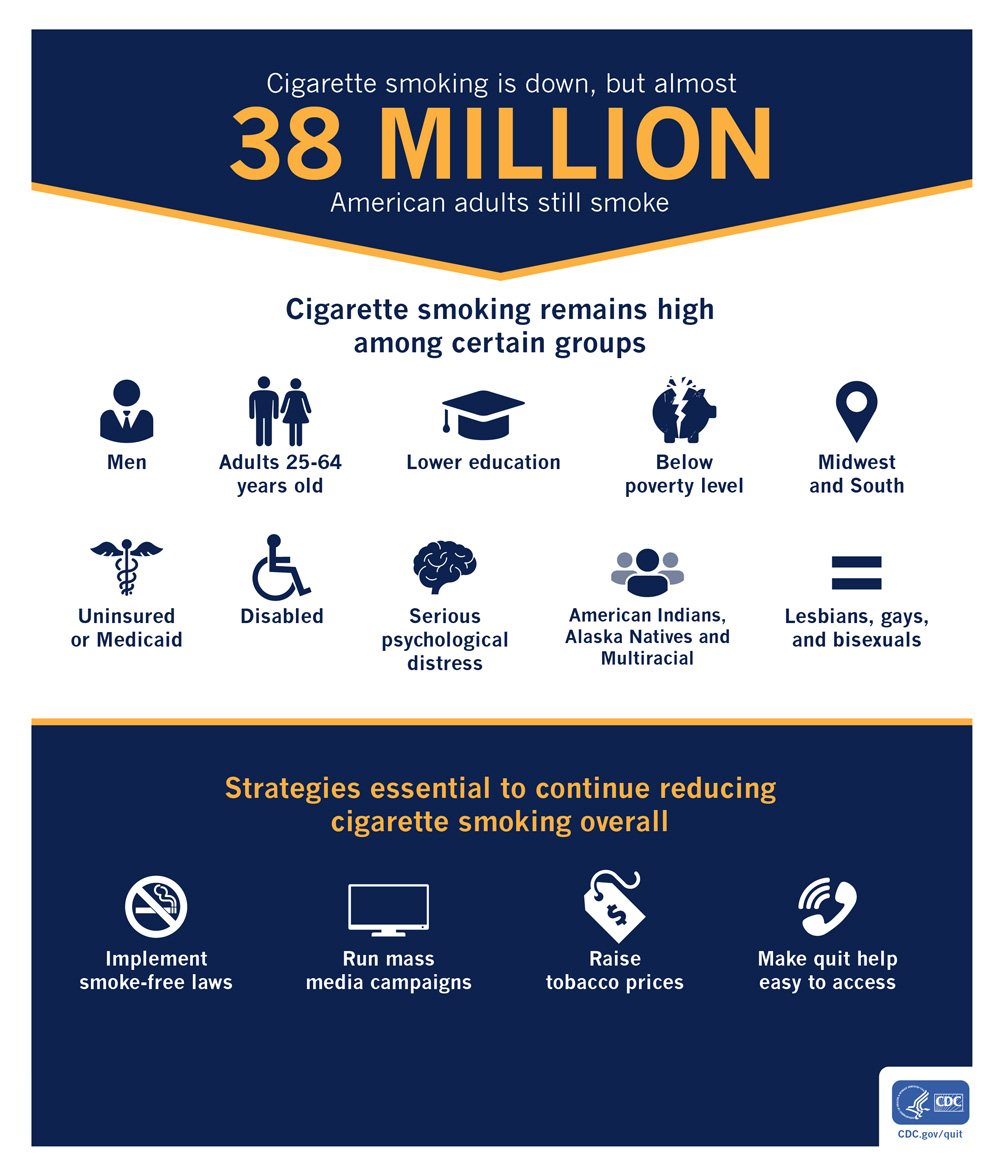
- Support efforts to carry out proven youth tobacco prevention actions such as tobacco price increases, comprehensive smoke-free laws, and high-impact mass media campaigns.
Pediatricians, nurses, and other health care providers can:
- Ask about youths' e-cigarette use and counsel them about the dangers of nicotine, e-cigarettes, and all other tobacco use.
- Ask all patients whether they use tobacco products, encourage those who do to quit, and provide help with quitting.
- Ask about youths' media and Internet use. Advise parents and caregivers to take an active role in deciding which websites and media children can view and teach critical viewing skills.
Parents and caregivers can:
- Set a positive example by being tobacco-free. For free help, call 800-QUIT-NOW or visit www.smokefree.govhttp://www.cdc.gov/Other/disclaimer.
- Talk to youth about why they shouldn't use any tobacco products, including e-cigarettes.
- Know what media their children are viewing, and decide what programs and websites are appropriate for their age. Watch programs together and discuss content.
States are moving faster than the federal government on e-cigarette regulation. Most states ban the sale of e-cigarettes and liquid tobacco to minors.