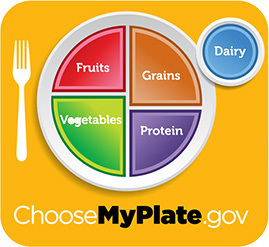
 School districts can now decide to discontinue the use of whole grains in their school lunch program and also increase salt and serve chocolate and other flavored milk.
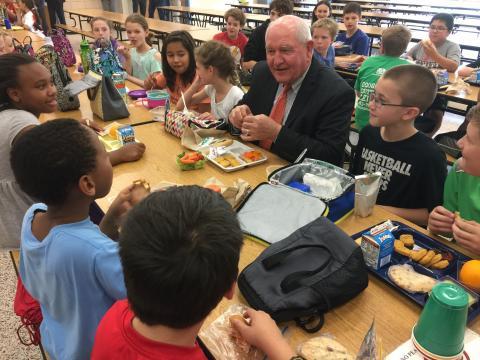
Just one week after he took the job, U.S. Secretary of Agriculture Sonny Perdue, ironically and insentively, used a take-off of President Donald Trump’s campaign slogan to describe the ruling. Instead of saying the reduction in nutrition standards will “make school lunches great again,” it should say they will “make American even fatter again.”
Perdue was quoted in the Loudon Now, a Virginia newspaper which covered his announcement last week, as saying, “I wouldn’t be as big as I am today without chocolate milk.”
The reduction in nutrition standards “will provide greater flexibility in nutrition requirements for school meal programs in order to make food choices both healthful and appealing to students,” the U.S. Department of Agriculture said.
“This announcement is the result of years of feedback from students, schools, and food service experts about the challenges they are facing in meeting the final regulations for school meals,” Perdue said. “If kids aren't eating the food, and it’s ending up in the trash, they aren't getting any nutrition – thus undermining the intent of the program.”
He said schools have been facing “increasing fiscal burdens” as they attempt to adhere to existing, stringent nutrition requirements.
Perdue said he received information that the nutrition standards are working in Washington, D.C., but aren’t working in the south.
“A perfect example is in the south, where the schools want to serve grits,” he said. “But the whole grain variety has little black flakes in it, and the kids won’t eat it. The school is compliant with the whole grain requirements, but no one is eating the grits. That doesn’t make any sense.”
The specific flexibilities are:
- Whole grains: USDA will allow states to grant exemptions to schools experiencing hardship in serving 100 percent of grain products as whole-grain rich for School Year 2017-2018.
- Sodium: For School Years 2017-2018 through 2020, schools won’t be required to meet the Sodium Target 2. Instead, schools that meet Sodium Target 1 will be considered compliant.
- Milk: The USDA will begin the regulatory process for schools to serve 1 percent flavored milk through the school meals programs. USDA will publish an interim rule as soon as possible to effect the change in milk policy.
“I’ve got 14 grandchildren, and there is no way that I would propose something if I didn’t think it was good, healthful, and the right thing to do,” Perdue said. “And here’s the thing about local control: it means that this new flexibility will give schools and states the option of doing what we’re laying out here today. These are not mandates on schools.”
Before the school nutrition changes under the Obama administration, some schools were letting students choose pizza, hamburgers, French fries, and soft drinks in their school lunch programs.
It looks like the goal for school lunches under the Trump administration is to get back to letting the food industry sell all the junk food they can to school districts and kids.

Update: Here's a photo of Sonny Perdue without his suit jacket. It sure looks like his poor eating habits, such as drinking chocolate milk, have made him as big as he is today.