Some toys that have been recalled for lead, powerful magnets, or other hazards may still be available for sale in online stores, according to U.S. Public Interest Research Group Education Fund’s 31st annual “Trouble in Toyland” report. Consumers may also have recalled toys in their homes.
The report lists 44 different toys, for a total of 35 million toys, recalled by the Consumer Product Safety Commission from January 2015 to October 2016.
“We should be able to trust that the toys we buy are safe,” said Mike Litt, consumer program advocate for U.S. PIRG. “However, until that’s the case, consumers should understand two things: first, not all recalls may be well-publicized so you should check your house for previously recalled toys and second, some toys that are recalled may still be available online.”
Some of the recalled toys that researchers found may still be available for sale at online stores include:
- A toy glockenspiel that was recalled in February 2016 due to high levels of lead in the paint. If the paint is scraped off and ingested, lead can cause adverse health effects.
- A remote-controlled flying toy that was recalled in June 2016. The toy’s USB charging cord can overheat, posing a hazard.
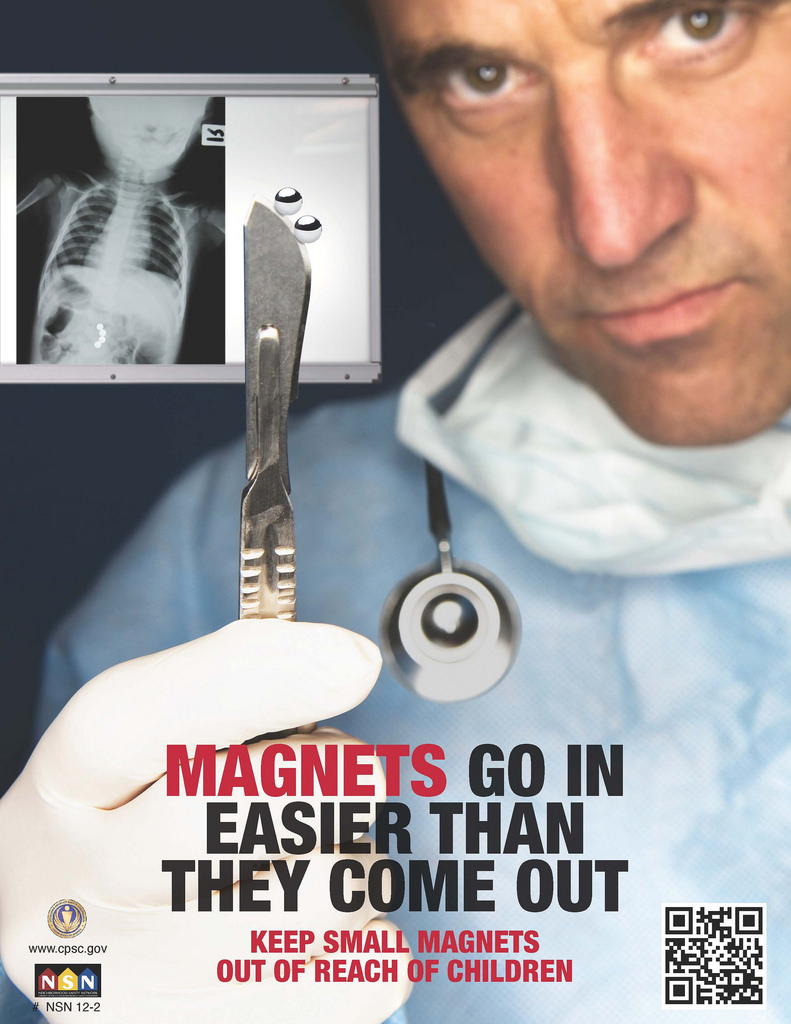
- A pencil case which contains two magnets that hold the case lid closed and can detach, posing an ingestion hazard. If these two magnets are swallowed, they can link together inside a child's intestines and result in serious internal injuries.
The report includes manufacturers’ names, pictures of toys, and remedies for what consumers should do if they have the recalled toys in their homes.
U.S. PIRG suggests the commission improve recall effectiveness by:
- Increasing consumer and researcher awareness of the public hazard database SaferProducts.gov.
- Performing regular online sweeps checking for the availability of previously recalled toys.
- Holding companies reselling recalled products accountable.
U.S. PIRG suggests parents and caregivers can take steps to protect children from potential hazards by:
Subscribing to email recall updates from the commission and other U.S. government safety agencies available at www.recalls.gov.
- Using U.S. PIRG toy safety tips, available at toysafetytips.org.
- Examining toys carefully for hazards before purchase, and checking the commission’s recall database at CPSC.gov before buying toys online.
- Reporting unsafe toys or toy-related injuries to the commission at Saferproducts.gov.
- Reviewing the recalled toys list in the report and comparing it to toys in your children’s toy boxes.
- Putting small parts, or toys broken into small parts, out of reach of younger children.