

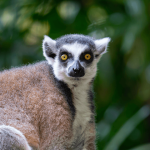
Photo: Courtesy of Wildlife Madagascar
One of my favorite people on earth, my niece Debra Erickson, is embarking on a fantastic, challenging project. Debra has founded a group called Wildlife Madagascar. Last year, she and her family moved there.
Madagascar, an island country off the southeastern coast of Africa, is known for its unique wildlife. Some of its most well-known animals are lemurs, which are only found in Madagascar.
Of the 112 lemur species, 98 percent are endangered with about a third considered critically endangered.
“On World Lemur Day, I am doubly moved by the urgency to protect these precious primates and the unique ecosystems they call home, understanding that our choices today shape their survival tomorrow,” Debra told me in an email. “Lemurs are not just a symbol of Madagascar; they represent the delicate balance of biodiversity on our planet.”
The cost to become a member of Wildlife Madagascar is $25. All of the proceeds go to the organization’s field sites in Madagascar. You’ll get a monthly newsletter to keep up on the work of the organization, and the website has resources on lemurs and conservation research in Madagascar.
“Every dollar makes a tremendous difference in our ability to protect the forests at our three field sites and the lemurs that call them home,” she said.
To become a member, click here.
T-shirts, hats, and stickers are available on the Wildlife Madagascar website. A book, “Lemurs of Madagascar,” a reference work and field guide on lemurs giving descriptions and biogeographic data for the known species, also can be purchased.
At the three field sites, Wildlife Madagascar is setting up long-term conservation field studies and beginning to create infrastructure for ecotourism and partnering with local communities. The organization is establishing long-term monitoring of target species at each site.



Thank you Aunt Rita for sharing the challenges that lemurs face on World Lemur Day. We had great celebrations at each of our field sites with local communities and schools. Our programs continue to grow; we just started at first nursery at our La Mananara site last week, which will enable us to start reforesting denuded land that will provide the lemurs with more habitat in the long term.
You’re welcome, Debra. Wildlife Madagascar is such a big, important undertaking. Congratulations to you, your team, and the people in the communities you work with on a terrific launch and beginning.