Last week, I wrote about buying large packages of vegetables at Costco, and I offered suggestions for how to keep from wasting food such as cooking the vegetables right away and freezing berries in a day or two before they start to deteriorate.
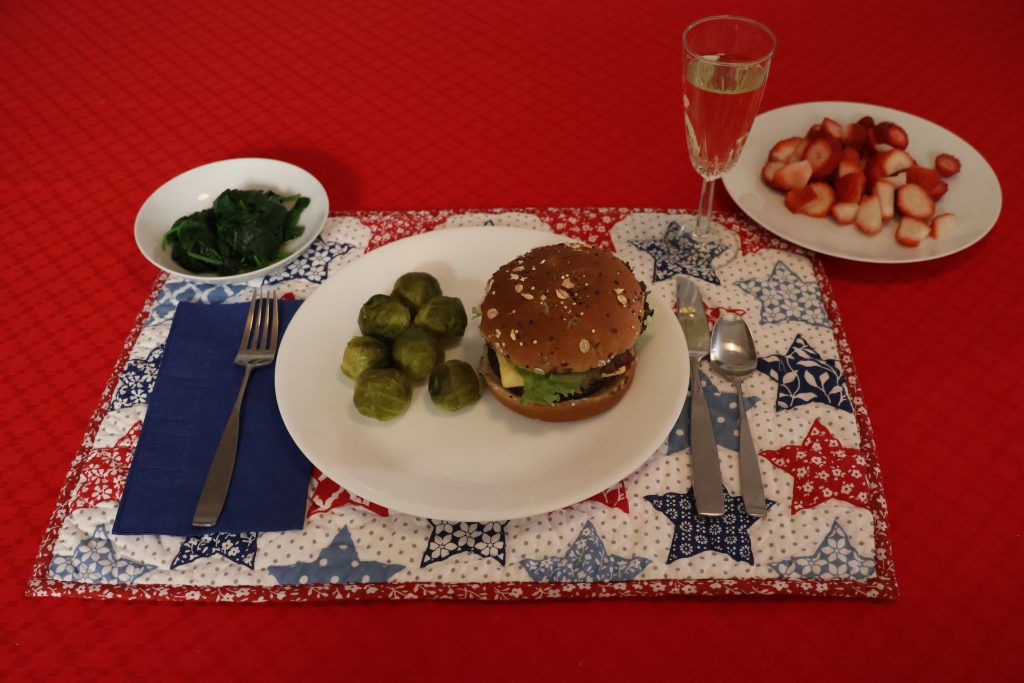
On Sunday, I’d cooked the spinach and Brussels sprouts in time and served them with a vegan burger for a great, healthy meal.
I was really congratulating myself on how well I was doing. Then, the next day, as I was getting out the big jar of Brussels sprouts I’d cooked on Sunday to go with the pasta I was having for lunch, I saw a paper container from the co-op with takeout food from last week.
I thought, “I need to eat that.” However, after a bite or two, it was obvious. I was too late. The food was spoiled. Into the compost it went.
About 33 percent of the food produced in the United States is wasted. The U.S. Environmental Protection Agency, or EPA, estimates that in 2019, about 96 percent of households’ wasted food ended up in landfills, combustion facilities, or down the drain to the sewer system. The remainder was composted.
We all need to reduce food waste in our kitchens, which also saves money.
Here are tips for reducing food waste from the EPA:
Planning and shopping tips
- Keep a running list of meals and their ingredients that your household already enjoys – that way, you can easily choose, shop for, and prepare meals that you’re likely to consume.
- Look in your refrigerator, freezer, and pantry first to avoid buying food you already have. Make a list each week of what needs to be used up and plan upcoming meals around it.
- Plan your meals for the week before you go shopping and buy only the things needed for those meals.
- Make your shopping list based on how many meals you’ll eat at home. Consider how often you will eat out, if you plan to eat frozen precooked meals, and if you’ll eat leftovers for any of your meals.
- Include quantities on your shopping list noting how many meals you’ll make with each item to avoid overbuying. For example: “salad greens – enough for two lunches.”
- Buy in large quantities – for example, buy one, get one free deals – only if it saves money and all the food can be eaten before it spoils.
- Buy food from bulk bins if it saves you money and reduces food waste and packaging. However, you’ll need to purchase the amount of food you need. When buying in bulk, remember to store food properly in airtight, labeled containers.
- Purchase imperfect produce or upcycled products. Imperfect produce may have physical imperfections but is just as safe and nutritious and can sometimes be found at discounted prices. Upcycled products are made from ingredients that might have otherwise gone to waste.
Storage tips
- Store fruits and vegetables properly for maximum freshness; they’ll taste better and last longer, helping you to eat more of them before they spoil.
- Most vegetables, especially those that could wilt – such as leafy greens, carrots, cucumbers, and broccoli – should go in the high humidity drawer of the fridge.
- Most fruits, as well as vegetables that tend to rot – such as mushrooms and peppers – should go in the low humidity drawer of the fridge.
- Some fruits – such as bananas, apples, pears, stone fruits, and avocados – release ethylene gas as they ripen, making other nearby produce ripen, and potentially spoil, faster. Store these away from other produce.
- Berries, cherries, and grapes can mold if you wash them before you’re ready to eat them.
- Some produce, such as potatoes, eggplant, winter squash, onions, and garlic, should be stored in a cool, dry, dark, and well-ventilated place.
- Make sure you are properly storing food in your refrigerator.
- The refrigerator door is the warmest part of the fridge. You can store condiments there, but it’s not recommended to store milk or eggs in the door.
- The lower shelves are the coldest part of the fridge. Store meat, poultry, and fish here.
- Refrigerators should be set to maintain a temperature of 40 °F or below.
- Store grains in airtight containers and label containers with contents and the dates.
- Visit your freezer often. Freeze food such as bread, sliced fruit, meat, or leftovers that you know won’t be eaten in time. Label with the contents and dates.
Cooking and preparation tips
- Use produce that’s past its prime, as well as odds and ends of ingredients and leftovers, for cooking. Repurpose these ingredients in soups, casseroles, stir fries, frittatas, sauces, baked goods, pancakes, or smoothies. You’ll avoid wasting these items and may even create new favorite dishes.
- Use the edible parts of food that you normally don’t eat. For example, stale bread can be used to make French toast or croutons, beet greens can be sautéed for a delicious side dish, and vegetable scraps can be used for soup stock.
- Learn the difference between “sell-by,” “use-by,” “best-by,” and expiration dates.
- Aim to cook and serve the right portions for the number of people you are feeding.
- Freeze, pickle, dehydrate, can, or make jam/jelly from surplus fruits and vegetables – especially abundant seasonal produce.
- Don’t leave perishable food at room temperature for more than two hours.
- Refrigerate or freeze any leftovers in clear, labeled containers with dates.
Final thoughts
Let’s work on stopping food waste every day. It takes planning and effort to carry out the plans consistently.