 The operators of a massive mobile cramming scheme have agreed to surrender more than $10 million in assets to settle Federal Trade Commission charges, including the contents of bank accounts; real estate in Los Angeles, Beverly Hills, and Chicago; cars; and jewelry.
Cramming unauthorized charges on consumers’ phone bills is unlawful, said Jessica Rich, director of the FTC’s Bureau of Consumer Protection.
Under the terms of the settlement, Lin Miao and the other defendants will be banned from placing any charges on consumers’ phone bills, making any misrepresentations to consumers about a product, service, or a consumers’ obligation to pay, and charging consumers for a product or service without their permission.
The settlement includes a judgment of more than $150 million, which is partially suspended based on Miao’s inability to pay after he turns over nearly all of his and the companies’ assets.
In December 2013, the FTC filed a lawsuit against Miao, along with Tatto Inc., Shaboom Media, Bune, Mobile Media Products, Chairman Ventures, Galactic Media, and Virtus Media.
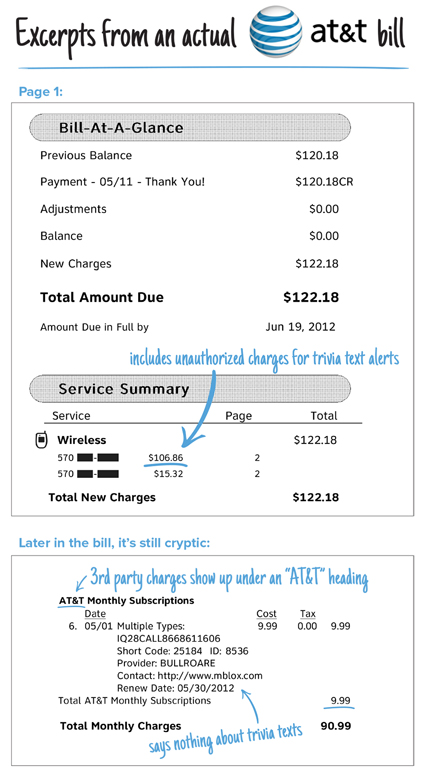
The lawsuit alleges that Miao and the other defendants pitched text message services offering “love tips,” “fun facts,” and celebrity gossip alerts, but placed charges for these services – usually $9.99 a month – on consumers’ bills without their permission. The defendants also allegedly used deceptive websites designed to collect consumers’ mobile phone numbers that would then be billed for the services.
The charges appeared on consumers’ phone bills under confusing names such as “77050IQ12CALL8663611606” and “25184USBFIQMIG” and in many cases, consumers didn’t notice them for many months.
When consumers did notice the charges and attempted to seek refunds, the process was often highly cumbersome, with some promised refunds from the defendants never arriving, or consumers receiving only partial refunds from their phone company, Rich said.