
The Environmental Working Group is offering a new shopping tool and seafood calculator to help people buy seafood lower in mercury, higher in omega-3 fatty acids, and sustainably produced.
EWG’s tools offer people more detailed information than is available from the U.S. Food and Drug Administration and Environmental Protection Agency. Last year, the agencies urged pregnant and nursing women to increase their fish consumption to eight to 12 ounces of seafood per week and encouraged young children to eat fish twice a week.
“We can’t trust the government to keep our exposure to toxic mercury within safe limits,” said Sonya Lunder, EWG’s senior analyst. “The guidelines could lead some people to consume too much mercury, and others, too few omega-3s.”
EWG’s Seafood Calculator determines the amount of fish or shellfish that a person can safely eat weekly based on pregnancy status and weight, offering recommendations for more than 80 species. Its Good Seafood Guide gives general advice about which fish to eat, which to eat with caution, and which to avoid.
Seafood is divided into five categories:
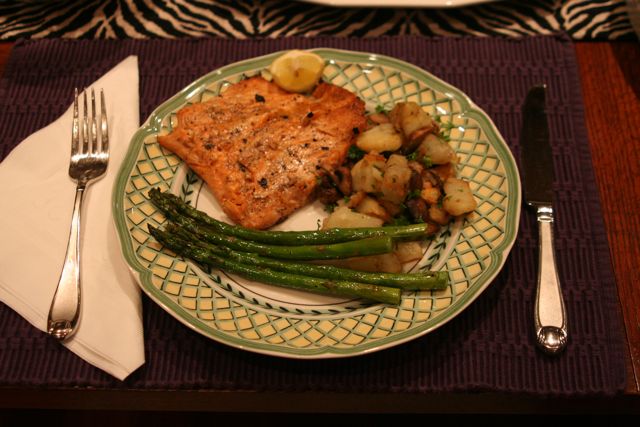
EWG Best Bets – Wild salmon, sardines, mussels, rainbow trout, Atlantic mackerel
One or two four-ounce servings a week of these fish, which have little mercury and good levels of omega-3 fatty acids for pregnant or nursing women and people with heart disease. Best Bets are also available from sustainable sources.
Good Choices – Oysters, anchovies, pollock, herring
These have favorable concentrations of omega-3 fats. One four-ounce serving provides at least 25 percent of the weekly recommended omega-3s. A pregnant woman of average weight could eat three four-ounce servings a week. These species don’t usually come from sustainable sources.
Low Mercury, But Low Omega-3s – Shrimp, catfish, tilapia, clams, scallops, pangasius
These varieties can be healthy sources of protein and other nutrients, but an adult would have to eat five to 20 four-ounce portions to meet the omega-3 recommendation for pregnant women and people with heart disease.
Mercury Risks Add Up – Canned light and albacore tuna, halibut, lobster, mahi mahi, sea bass
These fish contain too much mercury to be part of the regular diet of pregnant women and children. How much people can safely eat depends on their age, weight, and health status.
Avoid – Shark, swordfish, tilefish, king mackerel, marlin, bluefin and bigeye tuna, orange roughy
High-mercury seafood should never be eaten by pregnant women and children, according to EWG’s analysis and federal government warnings. Everyone else should eat these species infrequently or not at all.
EWG warned earlier this year that the advisory proposed by the FDA and EPA isn’t adequate to ensure that pregnant women and children avoid mercury contamination. Nor does it make clear that pregnant women and people with heart disease are unlikely to benefit from eating more seafood unless it is low in mercury and high in omega-3s.
Eight of the 10 most commonly eaten seafood species are very low in omega-3s, so consumers need to have information about high omega-3 species, EWG said.
EWG’s analysis of mercury and omega-3 content of seafood will be available on a Food Database and mobile smartphone app later this fall, Lunder said.



