
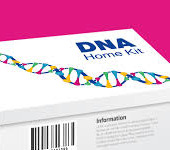
 Callers claiming to be from Medicare are asking people for their Medicare numbers, Social Security numbers, and other personal information in exchange for DNA test kits.
The callers may say the test is a free way to get early diagnoses for diseases such as cancer, or why not take advantage of the free test. But, don’t be fooled. Medicare doesn’t give DNA testing kits to the public.
It’s another government imposter scam, said Lisa Lake, consumer education specialist for the Federal Trade Commission.
Before you give anyone your personal information, consider these tips to help avoid scams:
- Government agencies will rarely, if ever, call you. If they do, it will be after they send you a letter – or to return a call you made to them. But anytime a “government” caller demands information or payment by wire transfer or gift card, it’s a scam.
- Don’t trust caller ID. Scammers use technology to hide their real number, but show one that seems legitimate. So if the caller ID shows a 202 area code, or says “government” or “Washington, D.C.,” don’t believe it. It could be anyone calling from anywhere.
- Never give anyone who calls or approaches you unexpectedly information such as your Medicare, bank account, credit card, or Social Security number. Scammers can use your information, steal your identity, get credit in your name, and take your money.
Report government imposters and other scams to the FTC. Also, find out more about how to stop unwanted calls.





Those types of scams are so rampant. I never take a call from Social Security or the IRS. I either call them or use their official websites that have a verification code.
Hi Rebecca,
Good for you. You’re an alert, informed consumer.
I hang up quickly when I get these kind of calls. Don’t even talk to these people.
Rita
What will they think of next? I did get a call from “the IRS” and I laughed at them before hanging up. When I lived with my mother, she would get numerous calls on her landline from people representing themselves as from Microsoft. She never owned a computer in her life.
Hi Jennifer,
Scammers target seniors. When a senior falls for a scam, they share the contact number with others. Some seniors have lost all their money to scammers.
Rita