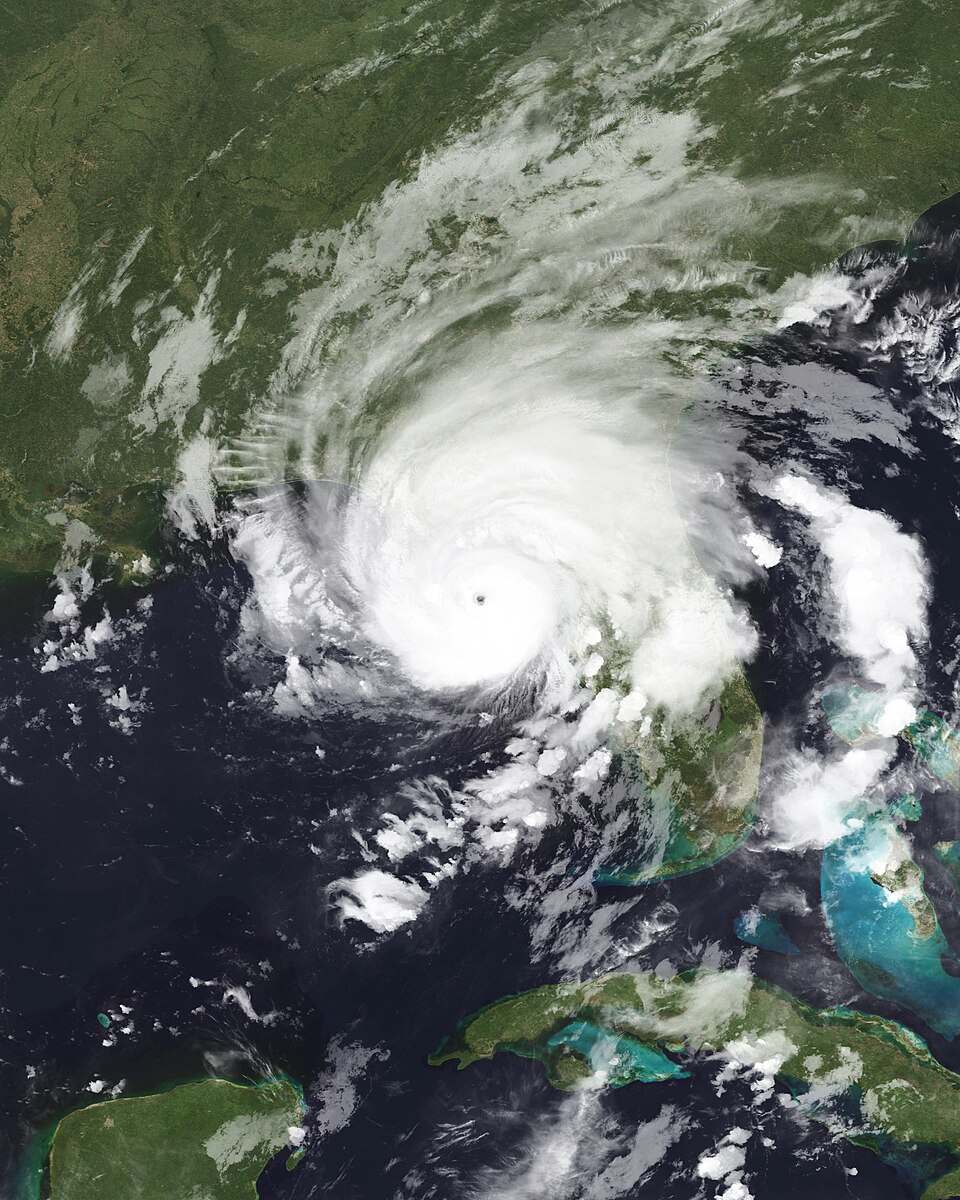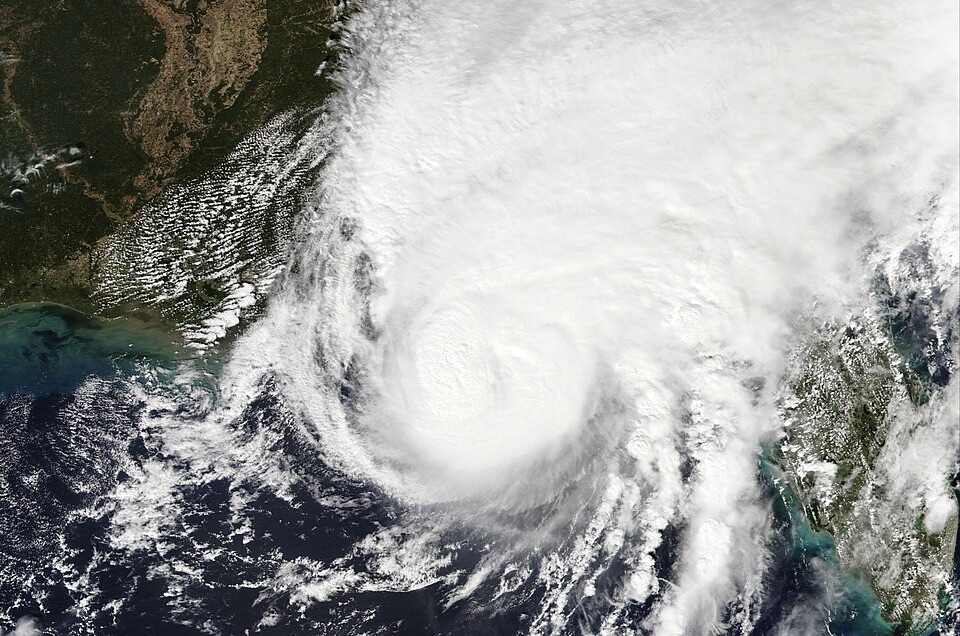
Make sure you’re being treated fairly if you have damage after Hurricane Isaias. Initial estimates indicate that the storm resulted in about $1 to $2 billion in insured losses, mostly related to wind damage.
Insurance companies are legally obligated to fairly investigate and value damage and pay claims promptly and in full, the Consumer Federation of America, or CFA, and United Policyholders, advocacy groups, advise. Policy fine print, limits, and deductibles are often confusing to consumers, but insurance companies are required to meet the reasonable expectations of policyholders.
“In the aftermath of Hurricane Isaias, it is essential that insurance companies make timely and full claim payments and that regulators are there to make sure companies don’t make policyholders fight for their fair claim,” Douglas Heller, CFA’s director of insurance, said in a statement. “People pay thousands of dollars a year for coverage they hope never to need, but when disaster strikes, they count on these companies to come through. Too often, though, they come up short.”
Insured consumers with damaged homes or businesses should take the following steps:
- Contact your insurance company and report your claim as quickly as possible. Depending on what caused the damage to your home, your claim may be covered by homeowners insurance, flood insurance, or both.
- Document the damage in photos and videos thoroughly, but only to the extent it’s safe. Try to keep damaged items or possessions from being removed before they’ve been documented.
- Keep a daily journal and record every time you talk or interact with insurance company adjusters, repair professionals, and anyone else you’re considering hiring. Record the name, date, and time of the contact.
- Keep receipts for every cost you have. This includes hotel and food costs if you have to evacuate, any alternative living arrangements if you can’t return to your home, and any costs for making initial reports to your home to prevent further damage. This may be covered under your homeowners insurance policy or your private flood insurance policy. Temporary living expenses aren’t covered under National Flood Insurance Program policies.
- Check a professional’s references and license status before you agree to hire or assign of your insurance benefits to them. Unfortunately, post-disaster scams are common. Local help is preferable but if it’s not available, be careful and vet out-of-the-area professionals before you sign anything.
- Contact your State Insurance Department and the Federal Emergency Management Agency, FEMA, for flood insurance, if you run into problems.
Insurers are increasingly closing claims without making any payments and using biased experts to justify those denials, according to hurricane claim reporting data and documents that are being seen in lawsuits across the country. Consumer advocates are urging state insurance commissioners to carefully examine insurance companies’ hurricane claim handling and take necessary actions to reverse these trends.
Speak up, if you have problems. You have rights and help is available.