
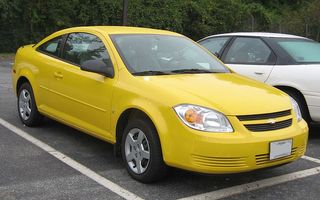
Photo: IFCAR
Forty-nine states and the District of Columbia have reached a $120 million settlement with General Motors Co. over charges that General Motors concealed safety issues related to ignition switch defects in General Motors vehicles.
The states investigated the auto manufacturer’s failure to disclose known safety defects associated with key rotation and/or ignition switch issues in several models and model years of General Motors vehicles.
“Instead of prioritizing customers, General Motors turned a blind eye for years and chose to conceal the safety defects associated with several models of their vehicles,” New York Attorney General Eric Schneiderman said.
In 2014, General Motors issued seven vehicle recalls on key rotation and/or ignition switch issues, which have affected more than 9 million vehicles in the United States.
The recalls involved a defective ignition switch which, under some conditions, could move out of the “Run” position to the “Accessory” or “Off” position. When this occurs, the driver experiences a loss of electrical systems, including power steering and power brakes.
If a collision occurs while the ignition switch is in the “Accessory” or “Off” position, the vehicle’s safety airbags may also fail to deploy, increasing the risk of serious injury or death in some types of crashes.
The seven vehicle recalls included 25 different makes and models, which are listed in the lawsuit.
As the states alleged, some employees of General Motors Co. and General Motors Corp., which went through bankruptcy in 2009, knew as early as 2004 that the ignition switch posed a safety defect because it could cause airbag not to deploy. However, despite knowing this, General Motors personnel decided it wasn’t a safety concern and delayed making recalls.
General Motors continued to market the reliability and safety of its motor vehicles, which were equipped with this defective ignition switch.
The states alleged that these actions were unfair and deceptive and that the automaker’s actions violated state consumer protection laws.
In addition to paying the penalties, General Motors agreed to:
- Not represent that a motor vehicle is “safe” unless it has complied with the Federal Motor Vehicle Safety standards that apply to it.
- Not represent used vehicles are safe, unless they weren’t subject to any of the recalls or have been repaired.
- Instruct its dealers that all recall repairs need be completed before any GM motor vehicle is sold in the U.S.
All the states except Arizona participated in the settlement.



