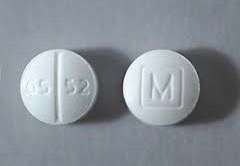
 Some pain relief medications can be as addictive as heroin and their deadly side effects are common and widespread.
Every day, 46 people in the United States die from legal pain pills and for each death, more than 30 people are admitted to an emergency room because of opioid complications.
Consumer Reports is calling on the U.S. Food and Drug Administration to do more to make these drugs safer.
Consumer Reports looked at the deadly misconceptions associated with prescription opioids – including OxyContin, Percocet, Vicodin, and generic versions – narcotics that can make life more bearable for patients recovering from surgery or suffering from chronic pain or cancer.
In addition, it identified the risks associated with taking too much acetaminophen, Tylenol and generic, a medication known for its safety, as well as the inconsistent and sometimes confusing maximum daily amounts of the drug allowed by the FDA.
The use of opioids has skyrocketed in recent years with prescriptions climbing 300 percent in the past decade, according to the organization’s report “Deadly Pain Pills.”
Vicodin and other drugs containing the narcotic hydrocodone are now the most commonly prescribed medications in the U.S. Used properly, opioids can ease severe short-term pain from surgery or a broken bone, and manage chronic pain from an illness such as cancer.
However, Consumer Reports found that there are safer approaches such as using other prescription medications to treat certain conditions such as nerve pain and migraines, reserving opioids for flare-ups, or to start with a short-acting opioid.
When taken carefully and in the right amounts, acetaminophen is safe for pain relief for most people, even when used long-term, according to the Consumer Reports researchers.
However, almost 80,000 people per year are treated in emergency rooms because they’ve taken too much of it. And, acetaminophen is now the most common cause of liver failure in the U.S.
Consumer Reports believes the advice on acetaminophen packaging to “take only as directed” is confusing and conflicting. While the FDA has lowered the maximum per.jpgll dose of prescriptionacetaminophen, the agency hasn’t taken the same step for over-the-counter products.
OTC acetaminophen drug-makers have different ideas of what people can take – some labels advise taking no more than 1,000 milligrams daily while others set the limit almost four times as high. And, accidentally taking too much acetaminophen is easy – it’s the most common drug in the U.S. and is found as an ingredient in more than 600 OTC and prescription medications including allergy aids, cough and cold remedies, fever reducers, pain relievers, and sleep aids.
“All of this doesn’t mean that everyone should avoid opioids and acetaminophen altogether,” said Marvin M. Lipman, M.D., chief medical adviser for Consumer Reports. “There are safer ways of taking these medications and alternative options.”
The FDA should fulfill its role to protect consumers by taking strong steps to reduce the dangers, starting by reconsidering its approval of Zohydro ER and establishing consistent standards for acetaminophen, Lipman said.
Consumer Reports is asking the FDA to make the pain-reliever market less confusing and safer for consumers by taking these first steps: Reconsidering the approval of Zohydro ER, a long-acting version of hydrocodone that the agency approved in December 2013 against the recommendation of its own panel of expert advisers, and to make acetaminophen standards consistent.
Consumer Reports also advises consumers to know the risks not only of opioids and acetaminophen but also of drugs such as ibuprofen (Advil and generic), naproxen (Aleve and generic), and Celebrex (currently prescribed only under its brand name, but available in the future as a generic).
Like its non-prescription cousins, Celebrex can pose risks to the heart and stomach when taken regularly, as millions of Americans do, he said.
“Pain drugs can be as bad as the pain itself,” Lipman said. “So you need to know when they are really needed and how to use them safely.”
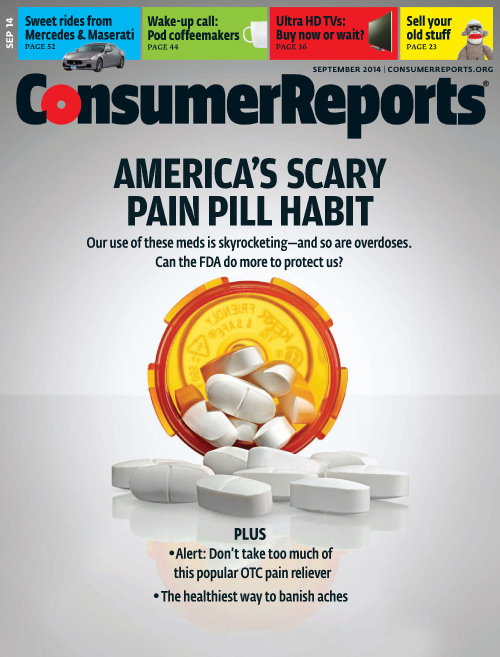
The report on painkillers is featured in the September 2014 issue of Consumer Reports magazine and is available at www.ConsumerReports.org.