The New York Times reported Wednesday that a Russian crime ring has amassed the largest known collection of stolen Internet credentials, including 1.2 billion username and password combinations and more than 500 million email addresses.
While details are still limited, including which companies are victims or how the hackers conducted the breach, the Better Business Bureau serving Alaska, Oregon and Western Washington urges consumers to protect their online accounts.
The Times reports the hackers appear to be using the stolen information to send spam on social networking sites such as Twitter but could make more money selling it on the black market.
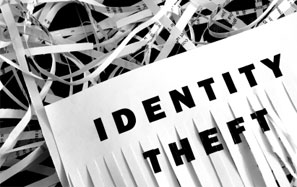
The BBB said there isn’t much consumers can do to prevent data breaches from happening, but recommends the following actions will help minimize the risks of identity theft:
- Change passwords. Never use the same password for every online account or website.
- Monitor credit and bank statements. Go online to verify account information and don’t wait for paper statements.
- Set up alerts. Set up automatic activity alerts on banking and credit card accounts and with the three credit reporting agencies.
- Report suspicious activity. Immediately report unauthorized charges and place a credit freeze on any compromised accounts.
- Save receipts. Keep all receipts handy in case charges need to be substantiated.
Also visit OnGuardOnline.gov, a Federal Trade Commission website, for more tips on avoiding scams and protecting your computer.
Scammers will likely take advantage of this high-profile public data breach to phish for personal information, the BBB said. Over the next few weeks, be extremely wary of unsolicited emails or phone calls from fake financial institutions. Don’t click on links, download attachments, or provide sensitive information – such as Social Security numbers – to unknown parties.
All consumers are entitled to one free credit report a year from the three credit bureaus. The only official source for these reports is at AnnualCreditReport.com.