How will global warming affect baby boomers?
I thought about it a lot in the last 24 hours as I watched the snow pile up as I blogged in the library, scraped three to four inches off my car, and slogged my way to the food co-op.
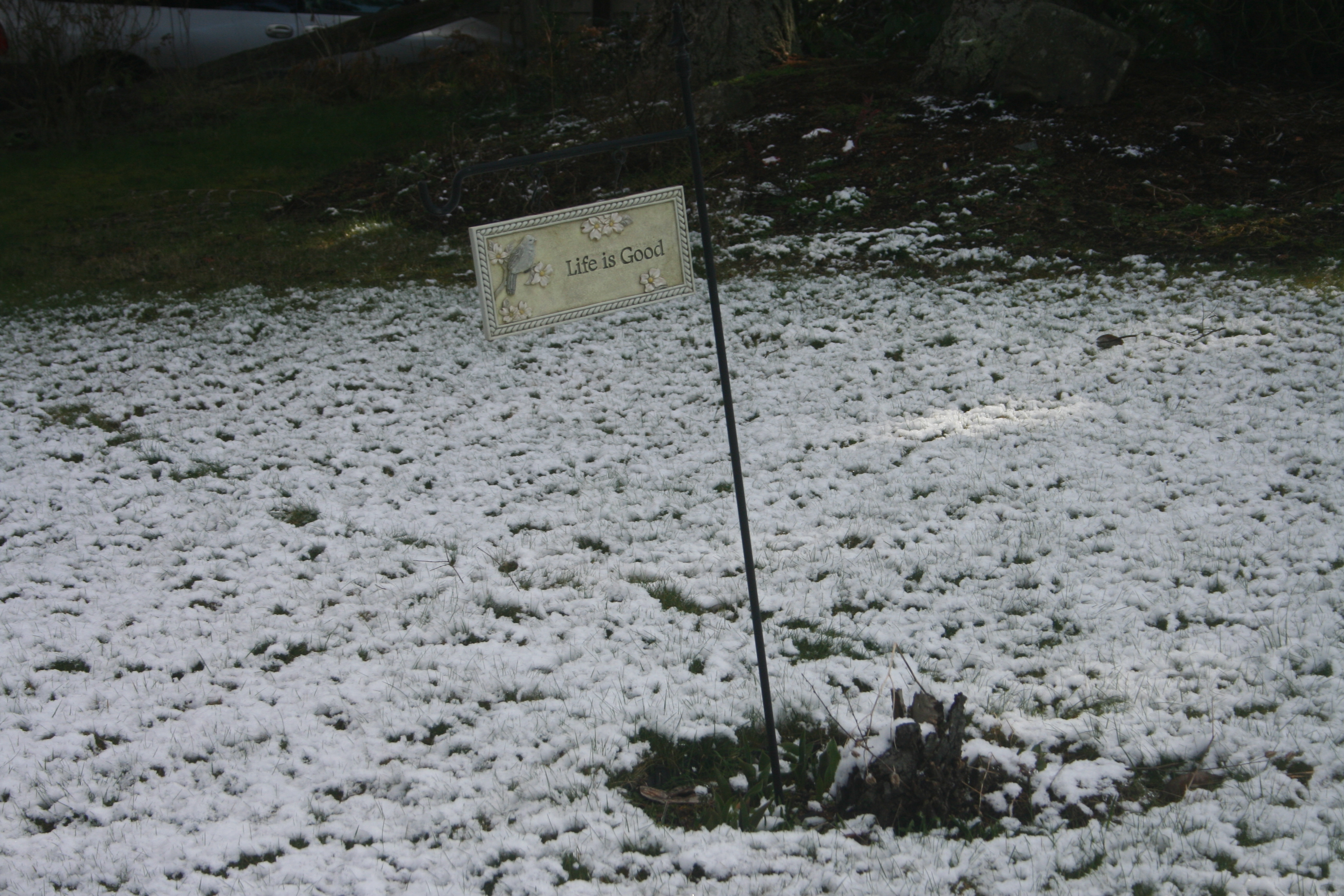
Last year, when it snowed in late March, unusual for the Pacific Northwest, I wrote “Late Spring Snow Storms a Surprise.”
I wondered in the post if global warming could be causing the strange weather. It’s possible, I learned.
I found a report from the Washington State Department of Ecology that indicated recent climate modeling results indicate that “extreme” weather events may become more common. Rising average temperatures produce a more variable climate system, the report said.
For boomers, what does global warming mean?
Say, for the sake of simplicity, that boomers will live to be age 90. That means they’ll be exiting the planet between 2036 and 2054.
What changes will boomers see in that time frame?
Baby Boomer Magazine.com makes this prediction in the article “Baby Boomers Concerned About Global Warming”:
Here are some ideas on how boomers could be impacted by global warming: Boomers:
- Will need to change their consumption habits, such as buying fewer things, using less energy in their homes, driving greener cars, using public transportation, and living in walkable and other types of eco-friendly neighborhoods and communities.
- Will need to get used to erratic weather patterns and possible storm damage to their homes or in their neighborhoods or cities.
- Face the possible collapses of living systems in their lifetimes, such as food, energy, and materials, as the world scrambles to respond to climate change and the water crises.
- Will need to use their personal, social, economic, and spiritual assets as they get older to craft ways to use their resources to respond to a changing world.
That’s a hefty list, but something to think about as the innovative Boomer Nation, who've changed every decade they've lived in, approaches the future.