Sixteen attorneys general filed a lawsuit Thursday against the chemical company known as DuPont, now called “EIDP,” its parent company, Corteva, and a newly-created entity called “Vylor,” to prevent attempts to escape financial responsibility for the companies’ role in PFAS contamination.
These three companies are maneuvering to put DuPont’s most valuable business assets into the newly-created Vylor and leave their massive liabilities behind, Washington State Attorney General Nick Brown said in a statement. The liabilities include their responsibility for contaminating the country’s drinking water and natural resources with PFAS – dangerous chemicals known as “forever chemicals” because of how long they persist in the human body and the environment.
The lawsuit alleges this scheme is an effort to artificially reduce DuPont’s assets so the company can escape responsibility for their decades of harm to the American people.
“DuPont has known that these chemicals were harmful for decades, and for just as long they have worked to escape responsibility for harming our environment and the public’s health with these chemicals,” said Brown.
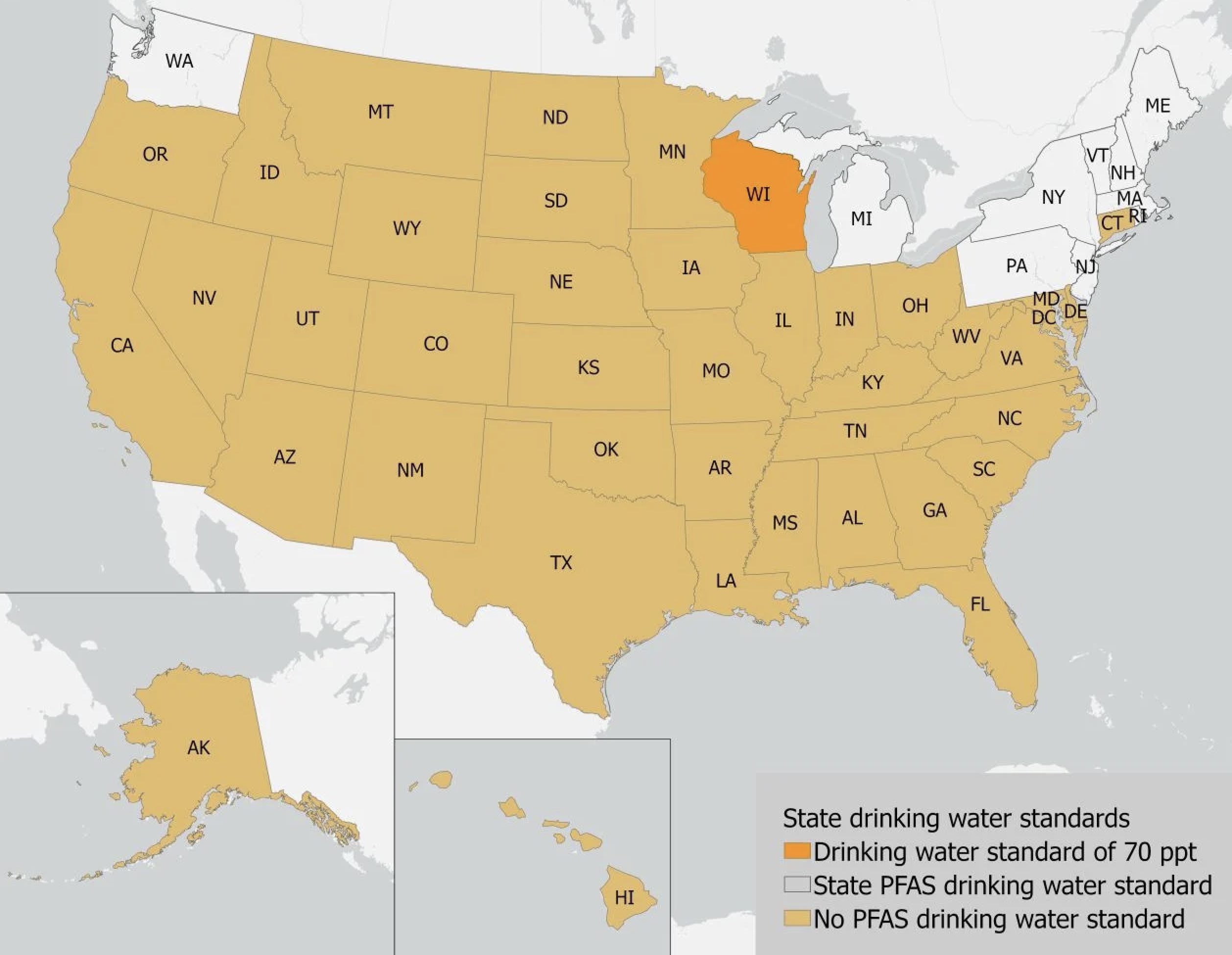
When PFAS are used, they migrate through the environment, resist natural degradation, contaminate groundwater and drinking water, and are difficult and costly to remove. Studies have linked PFAS exposure to cancer, infertility, thyroid disease, and childhood developmental harm.
DuPont made and sold products containing PFAS for decades despite knowing about the dangers of these chemicals to human health and the environment, according to the lawsuit. DuPont’s own documents show they concealed these dangers from people who bought these products, the general public, and state regulators. A 1984 memo from DuPont said that manufacturers knew that PFAS could cause birth defects.
The toxic and hazardous effects of PFAS will impact people and the environment for decades, if not longer, Brown said.
About 71 to 95 million people in the Lower 48 states – more than 20 percent of the country’s population – may rely on groundwater that contains detectable concentrations of PFAS, according to a U.S Geological Survey. Groundwater also serves essential ecological functions, influencing surface water quality, supporting wetlands, and providing important instream flows for salmon and other fish species.
DuPont faces lawsuits from more than 30 states arguing DuPont failed to warn the public about the dangers of PFAS and concealed the dangerous nature of those products. In addition, DuPont faces thousands of claims from firefighters and others alleging they’ve been injured by exposure to DuPont’s PFAS.
On Oct. 1, DuPont and Corteva transferred its Pioneer seeds business – a major corn and soybean operation that represents three-quarters of DuPont and Corteva’s economic value – to a newly formed company called Vylor. Corteva intentionally structured the transaction so that Vylor didn’t accept any responsibility for the massive PFAS liabilities DuPont faces, the lawsuit alleges. Those liabilities were designed to stay with DuPont, which now has significantly fewer assets to pay what they’ll likely owe to states and individuals who have been harmed by their PFAS pollution.
The attorney generals are asking an Indiana court for a temporary restraining order to freeze the assets, stop DuPont and Corteva from using remaining funds for dividends and stock buybacks, and stop Vylor from selling or pledging the seeds assets it just received.
In addition to Washington, the coalition, which is led by the attorney general of Indiana, includes the attorneys general of Alaska, Florida, Maine, Maryland, Massachusetts, New Hampshire, New Mexico, Oregon, Pennsylvania, Rhode Island, Tennessee, Texas, Vermont, and the territory of Guam.