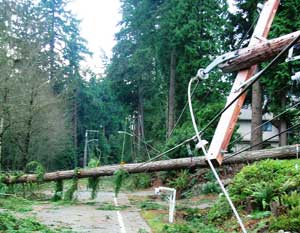
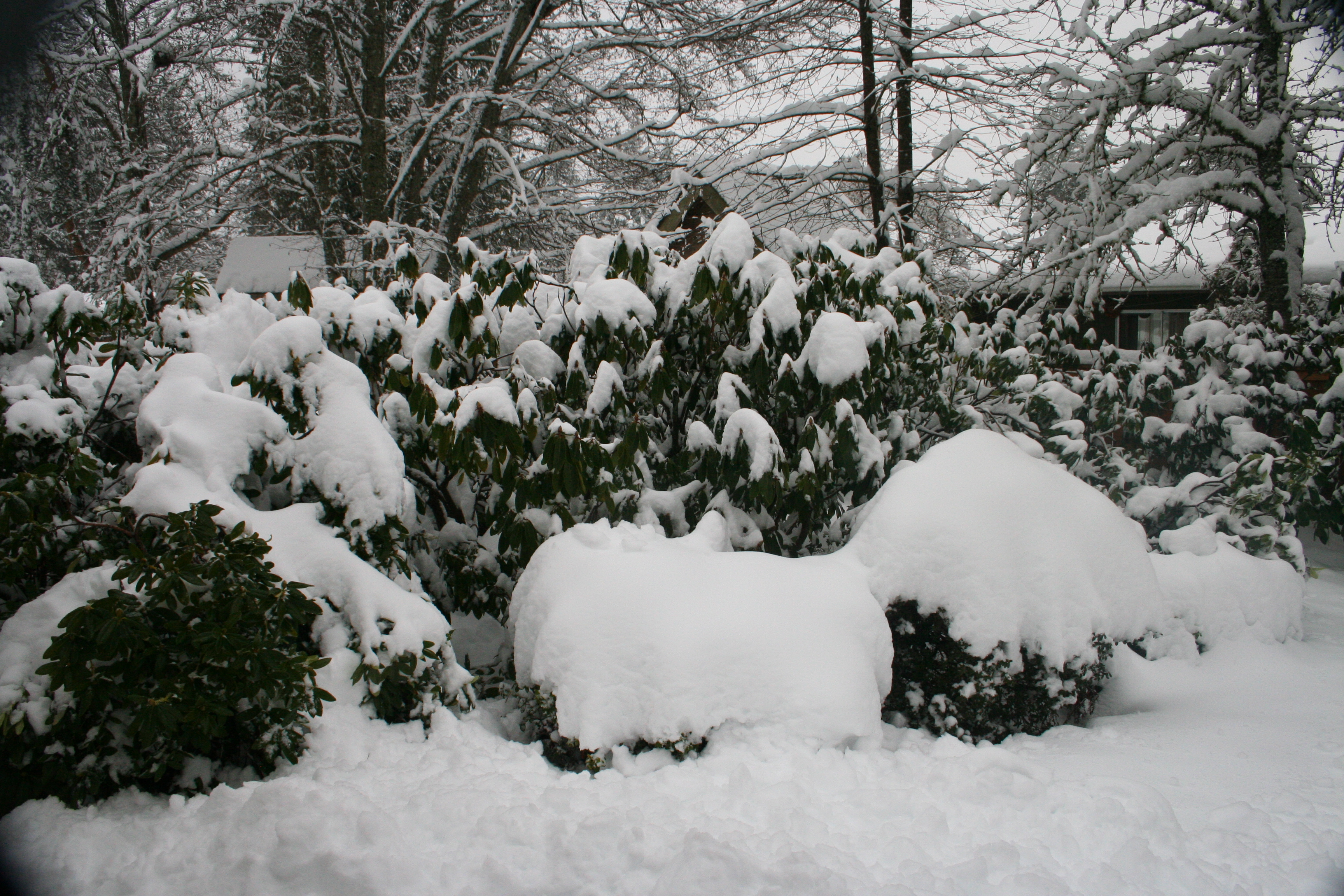
 For about a week now, weather forecasters here in the Seattle area have been predicting about 6 inches of snow, unusual for this moderate climate. Fortunately, it looks like most of the area will get only a couple of inches, which should melt quickly.
However, winter storms are impacting much of the country this week.
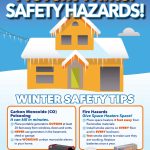
To protect yourself from carbon monoxide poisoning and fires during stormy weather, the U.S. Consumer Product Safety Commission offers these tips:
Loss of power – using a generator safely
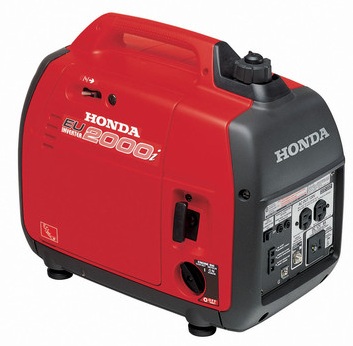
CO poisoning from gasoline-powered portable generators can kill in minutes. It’s called the invisible killer because it’s colorless and odorless. CO poisoning from portable generators can happen so quickly that exposed people may pass out before recognizing the symptoms of nausea, dizziness, or weakness.
Nearly 100 consumers die in the United States each year from CO poisoning from portable generators. Black Americans accounted for 23 percent of generator-related CO deaths, which is higher than their share in the U.S. population, according to a CPSC report.
In the case of a power outage:
- Never operate a portable generator inside a home, garage, basement, crawlspace, or shed. Opening doors or windows won’t provide enough ventilation to prevent the buildup of lethal levels of CO.
- Operate portable generators outside only, at least 20 feet away from the house, and direct the generator’s exhaust away from the home and any other buildings that someone could enter, while keeping windows and other openings closed in the path of the generator’s exhaust. Don’t operate a generator on an outside porch or in a carport. They’re too close to the home.
- Check that portable generators have been maintained properly and read and follow the labels, instructions, and warnings on the generator and in the owner’s manual.
- Look for portable generators that have a CO shut-off safety feature, which is designed to shut the generator off automatically when high levels of CO are present around the generator.
Check CO and smoke alarms
- Install battery-operated CO alarms or CO alarms with battery backup on each level and outside separate sleeping areas of the home. Interconnected CO alarms are best; when one sounds, they all sound.
- Make sure smoke alarms are installed on every level and inside each bedroom of the home.
- Test CO and smoke alarms monthly to make sure they’re working properly, and replace batteries, if needed. Never ignore an alarm when it sounds. Get outside immediately. Then call 911.
- Clear snow away from the outside vents for fuel-burning appliances such as furnaces so that dangerous carbon monoxide doesn’t build up in the house.
Dangers with portable heaters
- Keep all sides of the portable heater at least 3 feet from beds, clothes, curtains, papers, sofas, and other items that can catch fire.
- Place the heater on a stable, level surface, located where it won’t be knocked over.
- Never leave the heater running unattended in a confined space to reduce hyperthermia hazards.
- Always use a wall outlet when using electric portable heaters; never use a power strip and never run the heater’s cord under rugs or carpeting.
Dangers with charcoal and candles
- Never use charcoal indoors. Burning charcoal in an enclosed space can produce lethal levels of carbon monoxide. Don’t cook on a charcoal grill in a garage, even with the garage door open.
- Use caution when burning candles. Use flashlights or battery-operated candles instead. If using candles, don’t burn them on or near anything that can catch fire. Never leave burning candles unattended. Extinguish candles when leaving the room and before sleeping.
Dangers with gas leaks
- Leave your home immediately and contact local gas authorities from outside the home if you smell or hear gas leaking.
- Don’t operate any electronics, such as lights or phones, before leaving the home.
If your home floods – dangers with wet appliances
- Look for signs that your appliances have gotten wet. Don’t touch wet appliances that are still plugged into an electrical source.
- Have a professional or your gas or electric company evaluate your home and replace all gas control valves, electrical wiring, circuit breakers, and fuses that have been under water before using your appliances.
So, safety first. Follow these safety tips to avoid costly damages to your home and the health of you and your family.