When you change your clocks this weekend, remember also to change the batteries in your smoke alarms and carbon monoxide alarms.
In addition to changing batteries every year, the U.S. Consumer Product Safety Commission recommends consumers:
- Test their alarms monthly.
- Place smoke alarms on every level of the home, in outside sleeping areas, and inside each bedroom.
- Install CO alarms on each level of the home and outside sleeping areas. CO alarms shouldn’t be installed in attics or basements unless they include a sleeping area. Combination smoke and CO alarms are available to consumers.
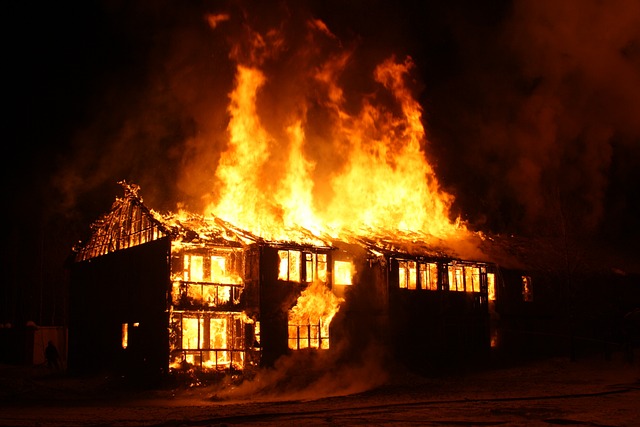
Fire departments responded to about 385,100 residential fires nationwide that resulted in an estimated 2,470 civilian deaths, 12,600 injuries, and $6.43 billion in property losses annually, on average, from 2005 through 2007, the commission reports.
An average of 181 unintentional, non-fire CO poisoning deaths occurred annually associated with consumer products, including portable generators, from 2004 through 2006.
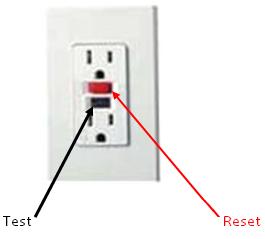 The commission also urges consumers to test electrical outlets in their homes that are equipped with ground fault circuit interrupters, also called GFCIs or GFIs. A GFCI is a device that can be installed in a home’s electrical system to protect against severe or fatal electric shocks. If you don’t have GFCIs, you can have them installed by a qualified electrician.
Test the GFCI after installation, at least once every month, after a power failure, and according to the manufacturer’s instructions. See the commission’s GFCI Fact Sheet for more information.