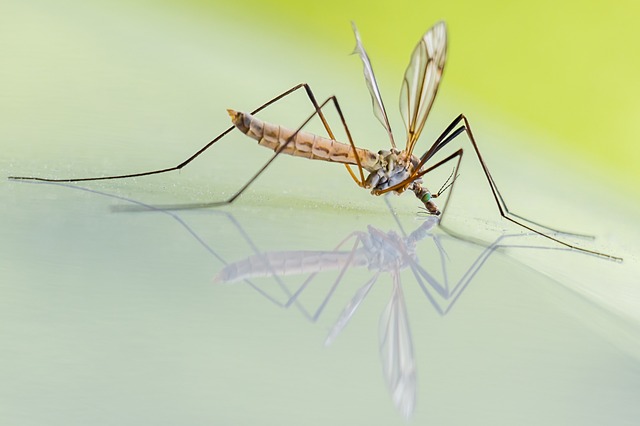
In 2018, no local mosquito-borne Zika virus transmission has been reported in the continental United States.
Where you live, your travel history, and the travel history of your sex partners can affect your chances of getting Zika, according to the Centers for Disease Control and Prevention.
Many people infected with Zika won’t have symptoms or will only have mild symptoms. However, a pregnant woman, even one without symptoms, can pass Zika to her developing fetus. Zika infection during pregnancy can cause serious birth defects.

Zika virus primarily spreads when a mosquito infected with Zika bites you. Zika also can spread through sex with a man or woman who has Zika. Sex includes vaginal, anal, or oral sex, and the sharing of sex toys. Zika can pass through sex even if the person doesn’t have symptoms at the time.
Advice for travelers from the CDC if you’re traveling to countries with risk of Zika:
- Pregnant women shouldn’t travel to areas with a risk of Zika.
- All travelers to areas with the risk of Zika should prevent mosquito bites and use condoms or not have sex to protect against Zika during travel. They should continue to take these precautions after their trip to stop the spread of Zika to others back home.
Pregnant women
- Pregnant women shouldn’t travel to areas with a risk of Zika because Zika infection during pregnancy can cause serious birth defects.
- However, if you must travel:
- Talk to your doctor or other healthcare providers before you travel.
- Strictly follow steps to prevent mosquito bites during travel and for three weeks after your return.
- Strictly follow steps to prevent sexual transmission during your trip.
- See your doctor after your return, even if you don’t have symptoms.
- Tell your doctor about possible Zika exposure at each prenatal care visit.
- If your partner travels:
- Use condoms every time you have sex – or don’t have sex – for the rest of the pregnancy, even if your partner doesn’t have symptoms or feel sick.
Travelers who have a pregnant partner
Strictly follow steps to prevent mosquito bites during travel and for three weeks after your return.
- Use condoms every time you have sex—or don’t have sex— for the rest of the pregnancy, even if you don’t have symptoms or feel sick.
Travelers considering pregnancy
- Talk to your healthcare provider about your pregnancy plans and possible Zika risk before travel.
- Strictly follow steps to prevent mosquito bites during travel and for three weeks after your return.
- If you’re a couple traveling together or a man traveling without your partner: Consider waiting at least six months after you return or from the start of symptoms, if the man develops symptoms before trying to conceive. During that time, use condoms or don’t have sex to prevent the passing Zika to your partner.
- If you’re a woman and your male partner doesn’t travel: Consider waiting at least two months after you return or from the start of symptoms if you develop symptoms before trying to conceive. During that time, use condoms or don’t have sex to prevent the passing Zika to your partner.
Men are advised to consider waiting longer because Zika can stay in semen longer than in other body fluids and can be transmitted to partners during that time.
During travel: Protect yourself
- Prevent mosquito bites:
- Use EPA-registered insect repellents with one of the following active ingredients: DEET, picaridin, IR3535, oil of lemon eucalyptus, para-menthane-diol, or 2-undecanone. Always use as directed.
- Cover exposed skin: Wear long-sleeved shirts and long pants
- Stay in places with air conditioning, with window and door screens, or sleep under a mosquito bed net.
- For extended stays, there are steps you can take to control mosquitoes inside and outside, such as removing standing water. https://www.cdc.gov/zika/prevention/controlling-mosquitoes-at-home
- Prevent sexual transmission:
- Use condoms every time you have vaginal, anal, or oral sex – or don’t have sex – if you are concerned about getting or passing Zika through sex. This is especially important if you or your partner is pregnant or planning to become pregnant.
After travel: Protect others
- Continue using mosquito repellent for three weeks after your return, even if you don’t feel sick. This will help prevent spreading Zika to uninfected mosquitoes that can spread the virus to other people.
- To protect your partners, use condoms – or don’t have sex –for at least six months after travel if you are a man, and for at least two months after travel if you’re a woman. If you and your partner travel together, use condoms for at least six months after your return. If your partner is pregnant, use condoms for the rest of her pregnancy.
If you feel sick and think you may have Zika
- Talk to your doctor or other healthcare providers if you develop common symptoms of Zika including fever, rash, headache, joint pain, red eyes, or muscle pain.
- Tell your doctor about your travel.
- Take medicine such as acetaminophen to reduce fever and pain.
- Don’t take aspirin or other non-steroidal anti-inflammatory drugs such as ibuprofen until dengue can be ruled out to reduce the risk of bleeding. Dengue is another disease transmitted by mosquitoes that cause symptoms similar to Zika and can cause internal bleeding.
- If you’re taking medicine for another condition or if you’re pregnant, talk to your doctor before taking additional medication.
- A blood or urine test can identify Zika infection. For more about testing, see CDC Testing Recommendations.
Check the CDC website for a list of areas with risk of Zika.