For the last month, I’ve been eating lots of food from my freezer and cupboards, using up items that might be getting on the old side.
What I probably should be doing instead is stockpiling food because prices are going to go up due to the Iran war.
I also didn’t go out right away when the war started and fill up my gas tank to avoid price increases. I only needed about a third of a tank of gas, so I thought the savings wouldn’t have been that much.
Here are some ideas on what to do financially due to the Iran war:
Buy extra nonperishable food if you have room to store it. If oil prices keep rising for a month or more, food prices will increase because shipping costs will go up. In addition, as shipping continues to slow, shortages may occur. Costco has good prices for cases of organic tomato sauce and black beans. Its hummus is good, too. You can buy the 34-ounce container and freeze half of it if you’re single or have a small family.
Review your budget or make one if you don’t have a budget. Energy prices are expected to go up. Winter is almost over, but it’s a good time to begin saving money for increased energy costs next fall and winter. Other costs are likely to go up, too.
Look at your spending plan for the year. Are you planning on buying a major appliance or a car? If so, start comparing prices. Remember to use the incognito feature for your searches to avoid surveillance pricing. Memorial Day is the next big sale for mattresses and appliances, then July Fourth. December or January are usually the best months to buy a car, but as the Iran war continues on, you’re likely to see car prices jump.
Increase the amount you’re putting in your emergency fund. It’s good to have a comfortable cushion for unexpected job losses, accidents, or other emergencies. You should have at least three to six months of either income or living expenses.
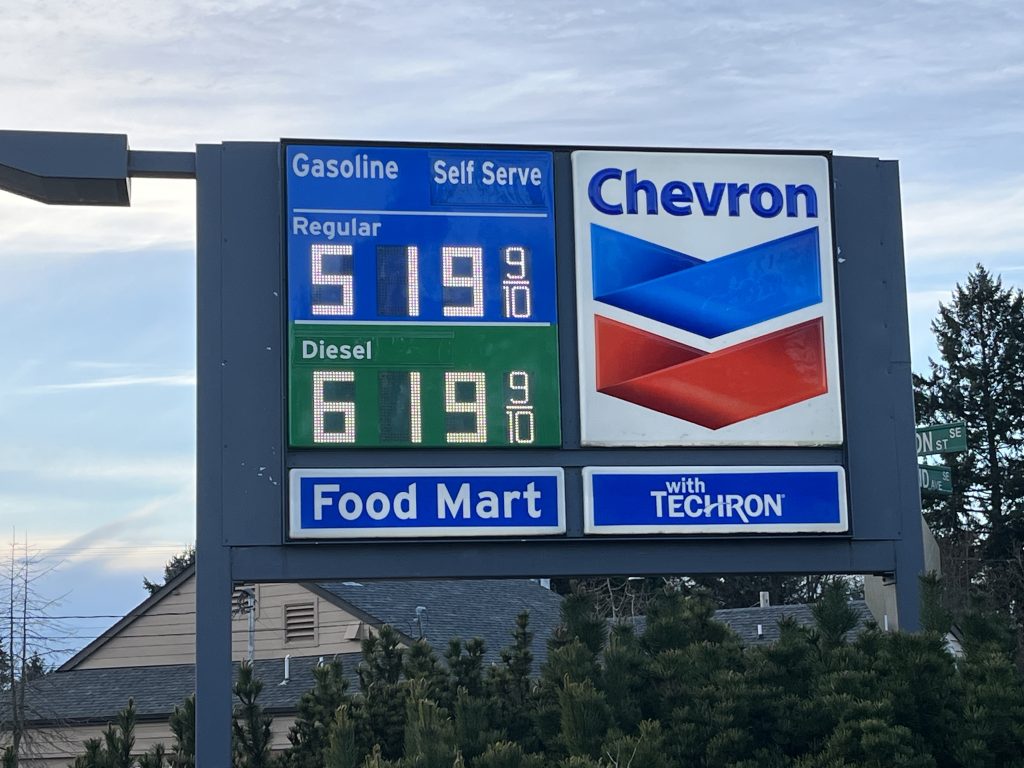
Look for ways to cut gas prices as they’re likely to continue to climb. To cut costs, use apps to find the cheapest station, use grocery store fuel rewards, combine errands into one trip, and fill up earlier in the week. Gas prices have increased about 20 percent since the Iran war started, with the average price for a gallon of regular gasoline rising from $2.98 to about $3.58. It’s even higher in some states.
Consider getting air tickets sooner rather than later before prices go up more. Book now, travel specialists are advising.
Decrease your spending. Increased oil prices are likely to cause an increase in inflation, which could push the cost of everything up. Make cuts where you can and avoid “buy now pay later” purchases for everyday spending. People overcommit by taking out too many loans at a time and often pay late fees. In addition, the transactions have almost no protections.
Don’t make drastic changes to your investments. You could make costly mistakes. Check with your financial advisor.
Watch interest rates. The Fed was on a path to decrease interest rates, but if inflation goes up the strategy may be increase them. If you’re buying a home, you may want to make a decision about a mortgage before rates go up. And, as always, check the interest rate that you’re paying on your credit cards, and avoid using retail credit cards, which often have a higher interest rate.
Final thoughts. Good luck to us all. We’ve been having economic struggles but the Iran war is going to make them worse.