
Earlier this week, I wrote about scams related to auto and property damage that can
occur from hurricanes, floods, and fires.
Consumers also need to be aware of scammers when they donate to charities and buy cars.
New Jersey officials Gov. Chris Christie, Attorney General Jeffrey Chiesa, and Eric
T. Kanefsky, acting director of the Division of Consumer Affairs, also warn consumers about charity
scams that have been known to prey upon the generosity of those wishing to help
during times of disaster.
Many charities are legitimate, but it pays to investigate before you donate:
- Before donating to a charity, find out whether the charity is registered to
solicit funds. Check with the agency in your state that registers
charities, often the Secretary of State’s Office. Also check the Better
Business Bureau’s website for a Charity Report on the organization you’re
considering.
- Find out how, exactly the charity plans to use your money. Learn how much the
charity spent during recent fiscal years on program costs, management
costs, and fundraising. Learn about the charity’s stated mission.
- Be wary if the charity doesn’t readily provide all of this information to
you.
In addition, Oklahoma Attorney General Scott Pruitt warns
consumers to be aware of water-damaged cars from the East Coast that soon could
be sold at car lots in their areas.
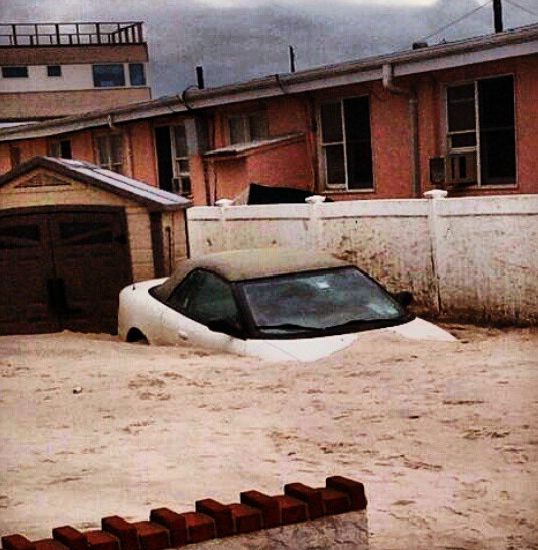
Among the many photos from this week’s
devastating storm are images of cars floating in water. Once owners settle
claims with their insurance companies, these cars could be repaired and resold
to unsuspecting buyers in other states.
“By law, if a car has been damaged it
should be clearly noted on its title,” Pruitt said. “However, unscrupulous
sellers sometimes buy damaged cars cheap, make a few cosmetic changes, and
resell them at a high price.”
Here are tips to help protect consumers when buying used vehicles:
- Always purchase from a reputable dealer.
- Have a reliable mechanic inspect the
vehicle before buying.
- Ask questions about the vehicle’s
history.
- Thoroughly inspect the car inside and
out for signs of rust, mildew, mold, water stains, and dents.
- Do a search on the car’s title.
- Remember the consumer tip that if it
seems too good to be true, it probably is.
Pruitt said that buying a flood-damaged car is risky and can
pose numerous safety and health hazards that might not appear until the seller
is long gone.



