
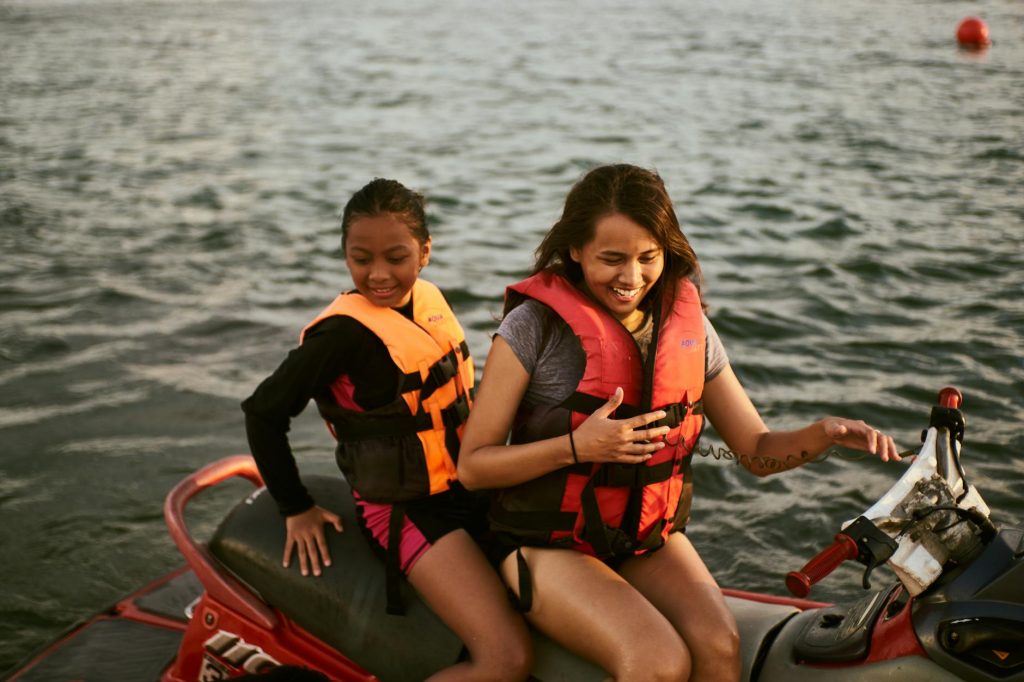
Every year in the United States there are more than 4,000 unintentional drowning deaths.
Drowning is the leading cause of death for children ages 1 to 4, according to Stop Drowning Now, a group that works to eliminate drowning.
Drowning remains the second leading causes of unintentional injury-related death from 5 to 15 years old.
About 80 percent percent of child drownings happen in a residential pool while an adult was present.
Children 5 to 17 years old are more likely to drown in natural water, such as ponds or lakes.
Here are tips from the U.S. Consumer Product Commission to prevent drownings in pools:
Stay close, be alert, and watch
- Always watch your children and never leave them unattended.
- Keep children away from pool drains, pipes and other openings.
- Have a phone close by at all times.
- Check the pool first if a child is missing.
- Share safety instructions with family, friends, and neighbors.
Learn and practice water safety skills
- Learn to swim.
- Know how to perform CPR on children and adults.
- Understand the basics of life saving so that you can assist in a pool emergency.
Have the appropriate equipment
- Install a fence around the perimeter of the pool and spa of at least four feet in height.
- Use self-closing and self-latching gates.
- Ensure all pools and spas have compliant drain covers.
- Install a door alarm from the house to the pool area.
- Maintain pool and spa covers in working order.
- Have life-saving equipment such as life rings or reaching poles available for use.
In the spring and early summer, rivers are often high and swift from rains and snow melt and can easily overwhelm the strongest swimmer. Even on hot spring days, lakes, ponds, and rivers are still cold and are dangerous for swimmers. Hypothermia can occur quickly in very cold water.
Here are tips from the Washington State Department of Health for swimming safety in lakes and rivers.
Know your limits
- Swimming in open water – lakes, rivers, ponds, and the ocean – is more difficult than in a pool. People tire faster and get into trouble more quickly. A person can go under water in a murky lake, making them difficult to find, or be swept away in currents. Avoid swimming where two rivers come together – many good swimmers have gotten into trouble or drowned in currents that didn’t seem to be moving that fast.
- Swim in a life-guarded area, especially if you aren’t a strong swimmer.
- Be cautious of sudden drop-offs in lakes and rivers. People who can’t swim or aren’t strong swimmers have slipped into deeper water and drowned.
- Don’t overload the boat when boating, and wear a life jacket that fits. Many people have drowned when they fell overboard while fishing, hunting, or pulling up a crab pot.
- Stay sober when on or in the water. Alcohol and other drugs increase the effects of weather, temperature, and wave action.
Wear a life jacket that fits you
- Be prepared at all times by wearing a life jacket – you’ll never know when you’ll be tossed into the water. Even the best water enthusiasts can misjudge changing water conditions when boating or swimming in open water.
- Have children wear a life jacket that fits them, and watch them closely around water – they can go under water quickly and quietly.
Be prepared
- Check river or stream conditions by contacting the United States Geological Survey at 253-428-3600 ext. 2635.
- Take life jackets, a rescue device, a cell phone, and someone who knows CPR when you are out on the water.
- Check beach advisories before you go swimming.
- Parents need to tell their children about the dangers of open water at rivers, lakes, and beaches. Know where your child is, who they’re with, and when they’re expected home.
- Wear a life jacket if you’re a parent because parents are powerful role models – if you wear one, it’s more likely your children will, too.
Your greatest water safety assurance comes from adopting and practicing as many safety steps as possible, the CPSC said in a safety fact sheet. Adding an extra safety step around the water can make all the difference. You can never know which safety step will save a life – until it does.



