As the 2026 Atlantic hurricane season begins on June 1, the U.S. Consumer Product Safety Commission, or CPSC, is warning consumers along the Atlantic seaboard and the Gulf of Mexico about deadly hazards that often emerge after major storms, including carbon monoxide poisoning from portable generators, fires, gas leaks, and electric shock.
“Hurricanes and severe storms can turn deadly long after the wind and rain stop,” CPSC Acting Chairman Peter Feldman said in a statement. “Every year, families die from preventable hazards like generator exhaust, gas leaks, fires and electrocution during power outages and cleanup efforts.”
Feldman said Americans should prepare now because the safest time to act is before the power goes out.
Loss of power after storms leads to preventable deaths from improper generator use and other household hazards.
Consumers should prepare before storms arrive by testing smoke and carbon monoxide alarms, reviewing generator safety instructions, and ensuring emergency supplies include batteries, flashlights, and working backup power equipment.
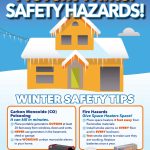
Portable generators are one of the leading causes of post-storm carbon monoxide deaths. Carbon monoxide is a colorless, odorless gas that can kill within minutes, often before victims recognize symptoms.
Loss of power – using a generator safely
- Never use a portable generator inside homes, garages, basements, crawlspaces, sheds, or other enclosed areas, even if doors or windows are open. Generators produce lethal levels of carbon monoxide.
- Operate generators outdoors only, at least 20 feet from homes and buildings, with exhaust directed away from windows, doors, and vents.
- Follow manufacturer instructions to reduce shock hazards during wet weather.
- Regularly check and maintain generators to ensure they work properly. Read and follow all labels, instructions, and warnings on the generator and in the owner’s manual.
- Look for portable generators that have a carbon monoxide shut-off safety feature. These features automatically shut off generators when dangerous carbon monoxide levels build nearby. Models certified to the latest PGMA G300-2023 and UL 2201-2023 standards include carbon monoxide safety technologies designed to significantly reduce CO poisoning risk. UL 2201 certified models have reduced CO emissions in addition to the CO shut-off feature.
Check carbon monoxide and smoke alarms
- Install working CO and smoke alarms, battery-operated or with battery backup, on every level and outside sleeping areas at home. Interconnected alarms are best; when one sounds, they all sound. Working carbon monoxide and smoke alarms save lives.
- Make sure smoke alarms are installed inside each bedroom.
- Test alarms monthly to make sure they’re working properly, and replace batteries, if needed. Never ignore an alarm when it sounds. Get outside immediately. Then call 911.
Dangers with charcoal and candles
- Never use charcoal indoors. Burning charcoal in an enclosed space can produce lethal levels of carbon monoxide. Don’t cook on a charcoal grill in a garage, even with the garage door open.
- Use caution when burning candles. Use flashlights or battery-operated candles instead. If using candles, don’t burn them on or near anything that can catch fire. Never leave burning candles unattended. Extinguish candles when leaving the room and before sleeping.
If your home floods – dangers with wet appliances
- Look for signs that your appliances have gotten wet. Don’t touch wet appliances that are still plugged into an electrical source.
- Have a qualified professional or utility representative inspect the home and replace all gas control valves, electrical wiring, circuit breakers, and fuses that have been under water before using your appliances.
Dangers with gas leaks
- Leave your home immediately and contact local gas authorities from outside the home if you smell or hear gas leaking. Don’t operate any electronics, such as lights or phones, before leaving.
Remember, safety first, including during hurricane season.