Photo: Aliman Senai
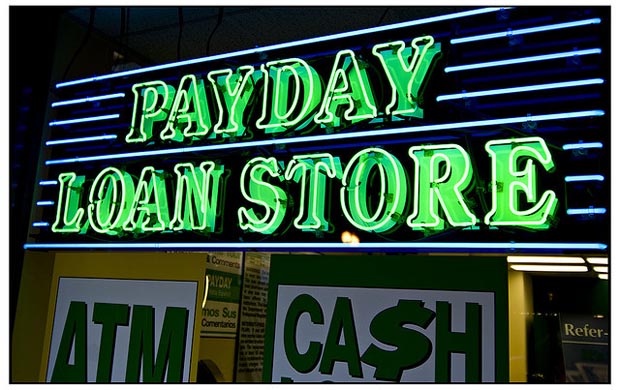
Thirty states, particularly Texas, are failing their residents by allow extraordinarily high pay day lending rates.
Borrowers paid payday lenders $2.4 billion in fees nationally in 2022, with residents of the state of Texas paying $1.3 billion those fees, more than half the nation’s total, according to a new report.
“Although payday loan fee volume declined early in the pandemic, the Down the Drain report shows a $200 million rebound from 2021 to 2022, reflecting increased strain on consumers’ finances,” Lucia Constantine, senior researcher at Center for Responsible Lending and report co-author said in a statement. “Especially considering changes in the market toward online and longer-term loans, storefront payday lenders in 2022 continued to drain a massive amount of wealth from people and communities with very little wealth.”
Among the report’s findings:
- Between 2021 and 2022, payday loan fee volume increased in California by 20 percent, Texas by 22 percent, and Florida by 17 percent. All are bigger percent increases than the national fee volume experienced.
- States where payday lenders took in the highest fee volumes are: Texas at more than $1.3 billion, Florida at more than $252 million, California at more than $224 million, Mississippi at more than $149 million, and Michigan at more than $78 million. Mississippi’s payday fee total, the fourth highest, is far out of proportion to its population size, which is the 35th largest.
- In the only two states that collect and report statistics on online lending, the share of online payday lending increased from 2019 to 2022: in Alaska from 55 percent to 57 percent and in California from 25 percent to 49 percent.
“Payday loans are designed to trap people in debt and this report shows the scale of the harm,” said Yasmin Farahi, deputy director of state policy and senior policy counsel for the center and report co-author. “Predatory lending is a public policy choice.”
Twenty states and the District of Columbia protect their residents from the payday loan debt trap with strong interest rate caps at no higher than 36 percent APR, Farahi said.
“Congress and policymakers in states without commonsense interest rate limits should enact these usury laws and the executive branch has a duty to enforce them – that is how to keep payday loan sharks at bay,” he said.
Action is needed now.