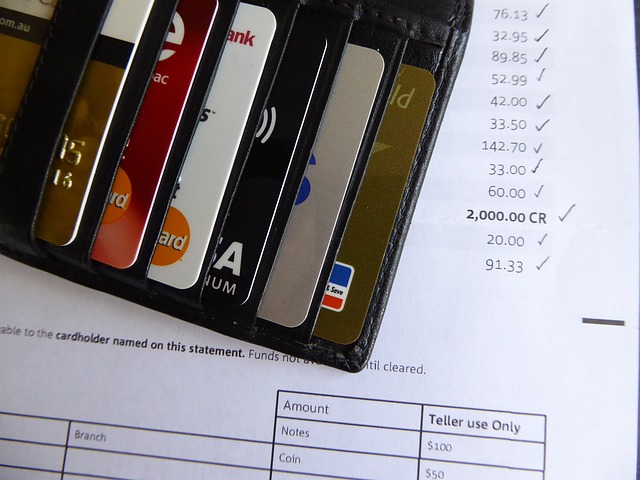
Americans owe $1.36 trillion in credit card debt, which comes out to about $10,800 for each household. Credit card debt is expected to increase by another $100 billion this year.
Spending beyond your means on a credit card can cost a lot in interest, and it can damage your credit score.
To identify the cities with the highest and lowest credit-card debts, WalletHub, a personal finance website, compared more than 180 cities based upon the latest data from TransUnion and the Federal Reserve.
“Some of the cities where households owe the most credit card debt, like Santa Clarita and Chula Vista, CA, have high median incomes, high debt payoff rates and low delinquency rates; this indicates that residents may simply have high credit card limits and can afford to borrow more,” John Kiernan, WalletHub analyst, said in the report.
Kiernan said other cities, such as New York, have high average credit card debts driven more by financial struggles, which is due to the number of people who are in financial distress or who are delinquent on their debt.
Below are some highlights from the report:
| Highest Household Credit Card Debt | Lowest Household Credit Card Debt |
| 1. Santa Clarita, Calif. | 173. Newark, N.J. |
| 2. Chula Vista, Calif. | 174. Akron, Ohio |
| 3. New York, N.Y. | 175. Des Moines, Iowa |
| 4. Rancho Cucamonga, Calif. | 176. Cleveland, Ohio |
| 5. Fontana, Calif. | 177. Fort Wayne, Ind. |
| 6. Oxnard, Calif. | 178. Rochester, N.Y. |
| 7. Gilbert, Ariz. | 179. Milwaukee, Wis. |
| 8. Santa Ana, Calif. | 180. Cedar Rapids, Iowa |
| 9. Riverside, Calif. | 181. Toledo, Ohio |
| 10. Moreno Valley, Calif. | 182. Madison, Wis. |
Many factors can contribute to high credit card debt including financial, psychosocial, and environmental, Christine Callahan, Ph.D., associate professor at the University of Maryland School of Social Work, said in the report.
Callahan said other reasons may include not paying attention to or understanding fully credit card rates; making only the minimum credit card payment; having too many credit cards; spending more than one makes; and coping with unexpected events or crises, such as medical catastrophes or job loss.