It will be 2026 soon, so it’s a good time to get your finances organized for the New Year.
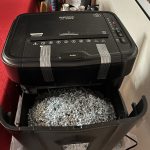
It was time to test out my new paper shredder to make sure it worked well before the return deadline.
I was surprised when I looked through my 5,000-plus articles that I didn’t have one on how long to keep financial documents. Maybe I wrote it when I was a print journalist.
So I did a web search and found that the list from the Federal Trade Commission looked like the most concise one, one I could print out and keep in the front of my important papers box.
The FTC is also concerned about consumers protecting their identity. The agency says it’s important to think about what you do with documents or digital files that contain your financial information.
Here are the FTC recommendations:
Keep for a year
- Bank statements
- Pay stubs
- Undisputed medical bills
- Credit card and utility bills
- Deposited checks
If you can access these documents electronically, consider shredding your paper copies.
Keep at least three years
- Income tax returns
- Tax-related documents, like canceled checks, receipts, W-2s, and 1099s
- Records related to selling a home
In some cases, the IRS recommends keeping tax returns and tax-related documents for longer than three years. If you can access these documents electronically, consider shredding your paper copies.
Keep while you own
- The title to your vehicle
- The title or deed to your home
- Documents related to mortgage or vehicle loans
- Home improvement receipts
- Rental agreements and leases
- Sales receipts and warranty information for major appliances
Keep forever
And lock up:
- Birth certificate or adoption papers
- Social Security cards
- Valid passports and citizenship or residency papers
- Marriage licenses and divorce decrees
- Military records
- Wills, living wills, powers of attorney, and retirement and pension plans
- Death certificates of family members
- Vital health records, especially those that pre-date electronic health records
Shred
- ATM receipts
- Offers of credit or insurance
- Cleared checks – after 14 days
- Credit reports
- Prescription information for medicines you no longer take
- Expired warranties
- Expired credit cards, driver’s licenses, and other forms of identification
If you don’t have a shredder, look for a local shred day in your community. Also, your local credit union may offer to shred your financial documents for no charge.
My next article will be on how to pick out a paper shredder.