
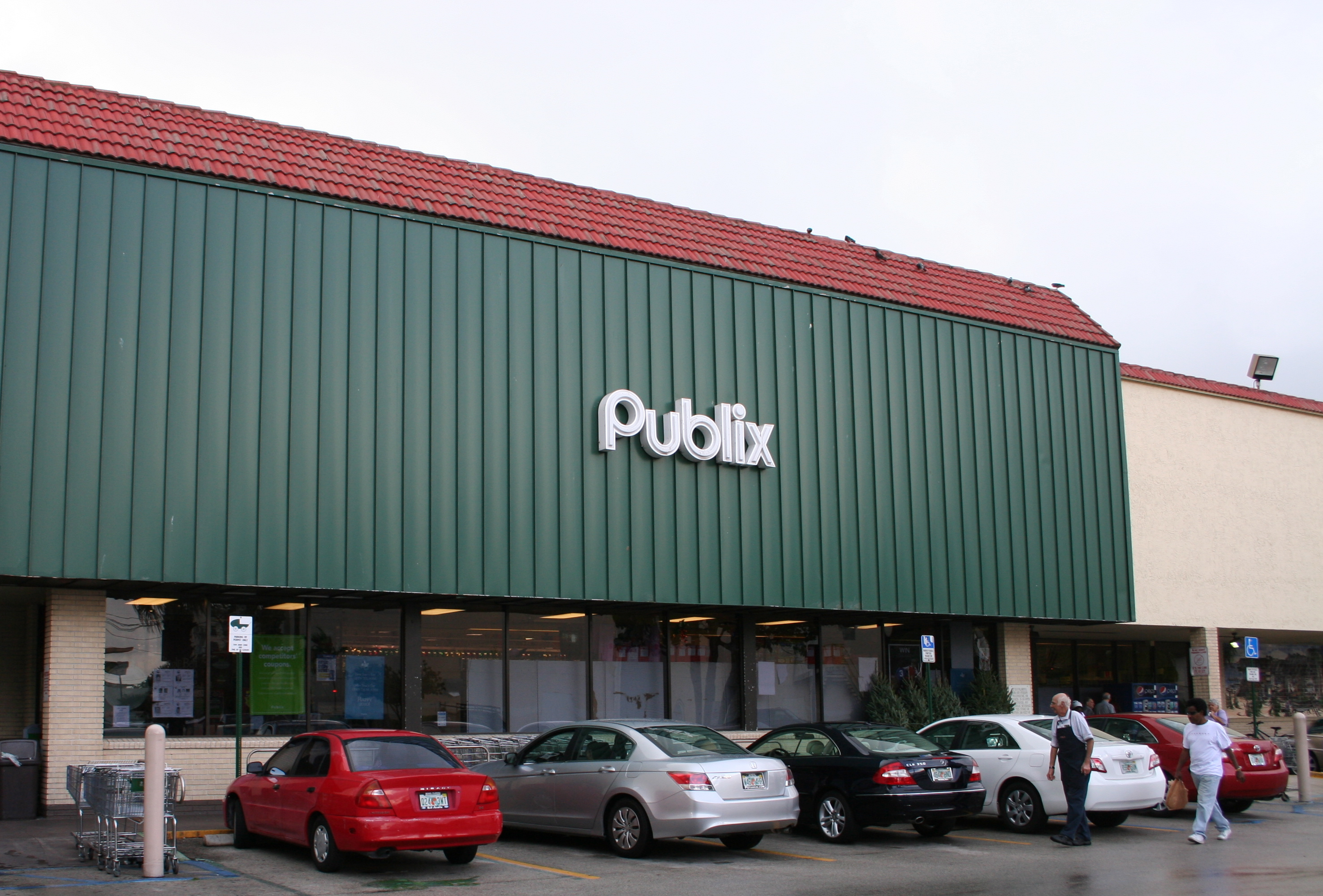
Consumer Reports subscribers rated Wegmans, Trader Joe’s, Publix, and Fareway tops among 52 of the nation’s major grocery stores.
 While most respondents were quite satisfied with their experiences, the survey also showed even some of the high-rated chains gave many shoppers something to complain about.
One-third of subscribers surveyed said they’d stopped shopping at a nearby grocery store. Forty-three percent changed in search of lower prices; about 25 percent, poor selection, long lines, or lousy food; 17 percent, employee rudeness; 14 percent, crowds.
 Of the 24,203 readers interviewed, more than half had at least one complaint about their current store; almost a third cited two or more.
The biggest complaint overall: Not enough open checkouts, cited by 27 percent of shoppers, followed by congested or cluttered aisles and advertised specials that were out of stock. Other complaints included inept bagging, missing prices, and scanner overcharges
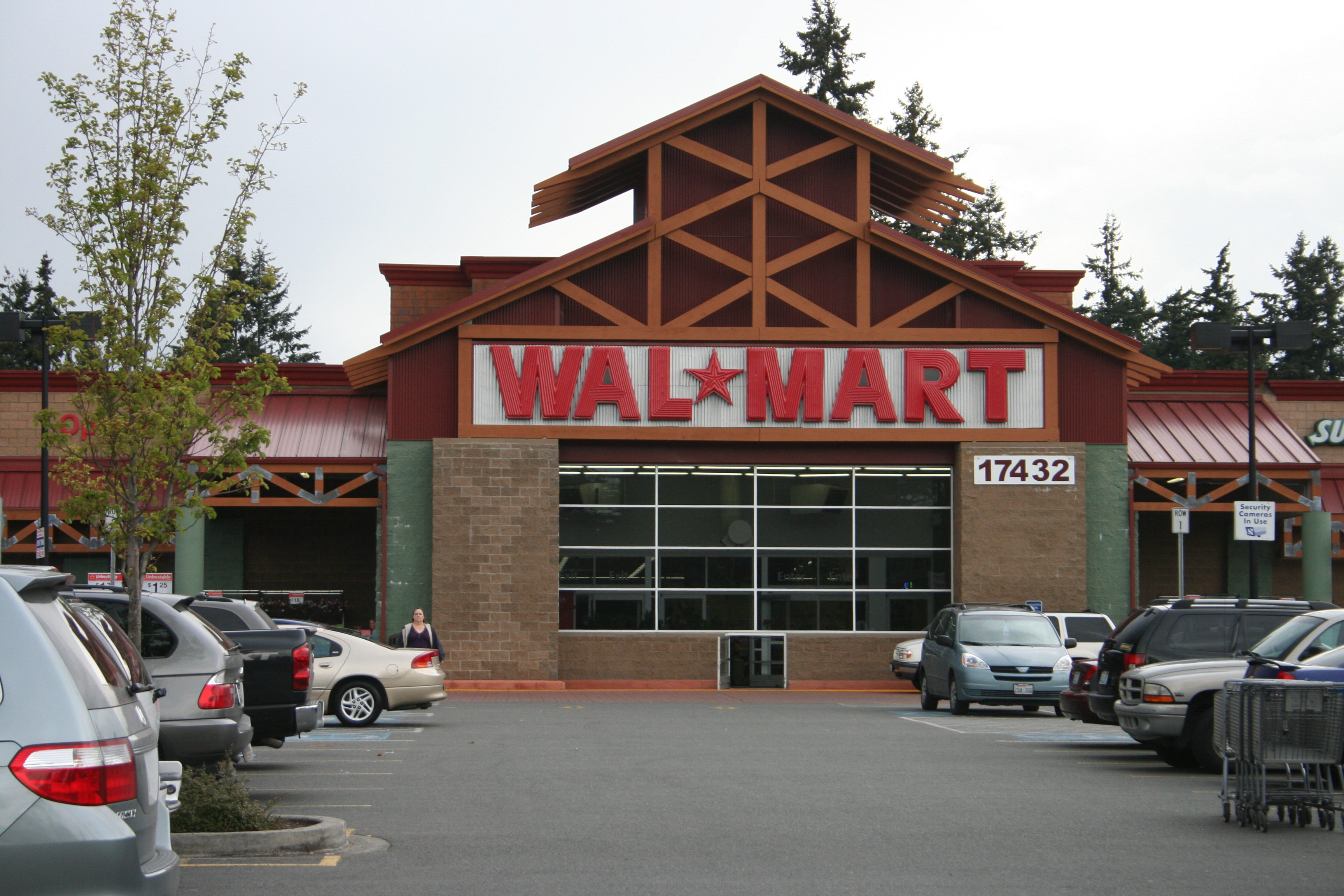 Wal-Mart, Pathmark in the Northeast, and Pick ’n Save in Wisconsin had the most complaints with about three-fourths of shoppers having one or more problems.
Consumers who shopped at Wal-Mart were most likely to be upset about the lack of open checkouts, out-of-stock regular items, indifferent employees, spotty pricing, and confusing store layout.
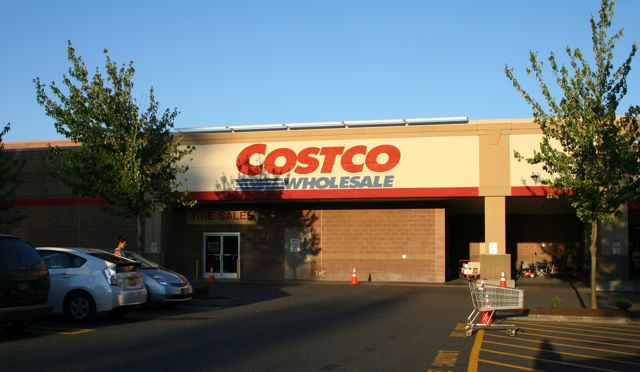 On the other hand, those interviewed said Costco and Trader Joe’s, along with Fareway Stores in the Midwest and Wegmans, offer quality meat and produce, clean stores, and very good or exceptional prices.
All but Costco also earned the highest possible marks for service, defined as employee courtesy and checkout speed. Service is minimal at warehouse clubs such as Costco, and lengthy lines are a trade-off for deals.
For details, see Consumer Reports May issue or visit www.ConsumerReports.org.
Smart shoppers can slash bills by 60 percent
Also in the report, Consumer Reports found you can save hundreds, even thousands of dollars a year by doing homework and adjusting shopping habits.
Consumer Reports’ shopping expert Tod Marks cut his bill by about 60 percent using different shopping strategies.
First, he impulse-shopped, and it cost $164 for 20 items.
He cut the cost of the same list to $93 by using coupons, saving-club cards, and weekly flyers.
As a warehouse-club shopper, he trimmed his expenses to $68. As a store-brand fan, Marks was able to buy the 20 items for $66 – almost 60 percent cheaper than his impulse-shopping trip.
For details, see the May issue of Consumer Reports or visit www.ConsumerReports.org starting.
Avoid store traps designed to make you spend more:
Supermarkets are giant selling machines in which traffic patterns, product placement displays, and smells encourage shoppers to spend more. Consumer Report’s latest report offers advice to resist both the hard and soft sell:
- Sneaky sales signs. The sign reads “5 for $5,” making consumers think they need to buy five to get the discount. You’re rarely required to do so.
- Shop clockwise. Most stores have their main entrance on the right side, and customers tend to shop counterclockwise. Researcher showed those consumers who went through a left entrance and shopped clockwise, spent about $2 less per trip.
- Bumpouts, endcaps. Beware of “bumpouts,” displays that curve or jut out. When you reach the end of an aisle, don’t assume the merchandise is on sale. Stores often reset endcaps and other displays with sale items the day before the lower price takes effect.
- Look high and low. The prime selling space is the middle shelving. Vendors pay retailers hundreds, even thousands, of dollars in fees to take on new products or display products prominently. Check whether similar products on top or bottom shelves are less expensive.
- Front-loading the veggies and fruits. The produce department is usually near the entrance. That placement gives consumers license to buy cake and ice cream as a reward for buying up a head of broccoli or bag of apples.
- Be wary of the “9”s. Some researchers believe that consumers see a jar of peanuts priced at $6.99 as $6 rather than $7, making it seem cheaper. Buyers have also been conditioned to associate prices ending in “9” with a bargain.



