
Winter boots need to have quality treads to make walking in the snow safer during hazardous conditions.
 "With the number of snowstorms we've a had during the first half of the winter alone, I'm already seeing a 30 percent increase in the number of patients coming into my office with fractures, sprains, and pulled arches from snow-related incidences,” New York City podiatrist Suzanne Levine, M.D., said.
With storms dumping record amounts of snow across the United States, often mixed with dangerous layers of black ice and slush, conditions often occur that are potential accidents for baby boomers and their parents.
"Pedestrians should treat their feel like tires in this kind of weather," Levine said. "We have regulations for vehicles in treacherous weather, so we should at least establish some important standards of quality for treads used on footwear designed for winter walking."
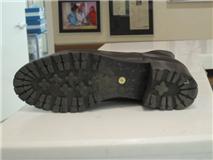 Levine offers these five footwear safety tips:
1. Think of your footgear as tires.
Consumers buy new snow tires when the treads wear down. They should do the same for boots and shoes, which become smoother and less effective after three months.
2. Don’t use tires that are flat.
Consumers often choose boots with a flat sole. A wedge is actually better. The forward angle of the foot allows it to dig into the snow with great proficiency.
3. Not all treads are created equal.
Choose a tread with a varied pattern – one that has a different design in the front and heel of the sole. This will give you a variety of stopgap measures when walking and climbing through snow and ice. Galoshes don’t work, since they provide little to no support for the foot. Galoshes can actually facilitate a fall.
4. A snowstorm isn’t the time to make fashion statements.
Treacherous conditions require footwear that performs well, not boots that are high fashion. Ankle snow boots don’t provide enough support and can easily result in sprains or even breaks when slipping and falling on snow and ice. Uggs are flat and, if the treads on them aren’t sharp, they have a greater likelihood of causing injuries.
5. Carry a spare.
Never wear improper footgear during threatening weather and be prepared for the worst-case scenario. If you get caught without the right pair of boots because they didn’t go with your outfit, you could not only ruin your shoes, but also do permanent damage to your body. Be sure to change shoes during the day to give your feet a rest from wearing anything that challenges or restricts the natural mechanics of the foot. Feet that aren’t in good shape or strong won’t perform well in a crisis.
“Proper footwear is essential for protecting your feet, ankles, hips, and spine during inclement weather,” Levine said. “If you shop carefully, you can find a boot that keeps you upright, safe, and looks great at the same time.”




In certain climates, choosing the right winter boots is an important part of stocking a winter wardrobe. Your toes are more likely to get frostbite if they are not properly protected. Additionally, depending on your activity, the right winter boots can be worn for different occasions.