The U.S. Food and Drug Administration is proposing a limit of 10 parts per billion for
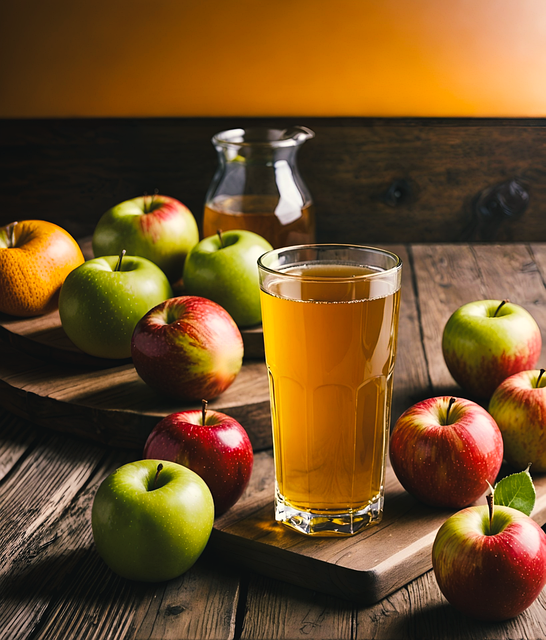
inorganic arsenic in apple juice. It’s the same level set by the U.S. Environmental
Protection Agency for arsenic in drinking water.
The action comes following concerns by consumer organizations over the last year that the arsenic levels in apple
juice are harmful to children.
The agency has been monitoring the presence of arsenic in apple juice for 20 years.
Last year, the FDA released findings from its latest data collection and analysis of 94 samples of arsenic in apple
juice. The analysis showed that 95 percent of the apple juice samples tested
were below 10 ppb total arsenic; 100 percent of the samples were below 10 ppb
for inorganic arsenic, the carcinogenic form of arsenic.
The proposed level of 10 ppb takes into account this sampling data plus a risk
assessment of inorganic arsenic in apple juice conducted by FDA scientists. The
assessment is based on lifetime exposure.
Inorganic arsenic may be found in foods because it’s present in the
environment, as a naturally occurring mineral and due to activity such as past
use of arsenic-containing pesticides.
A known carcinogen, inorganic arsenic also has been associated with skin lesions, developmental effects,
cardiovascular disease, neurotoxicity, and diabetes, the FDA said.
Consumers Union, publisher of Consumer Reports, last year called for a
limit as low as 3 parts per billion. While the FDA didn’t go that far, the
group still praised the agency for taking action.
The FDA will accept public comments on the proposed action level and the risk assessment for 60 days.
For more information, go to:
- Arsenic in Apple Juice
- Draft Quantitative Assessment of Inorganic Arsenic in
Apple Juice - Risk Assessment Arsenic in Apple Juice: Peer Review
Report - Draft Guidance for Industry, Arsenic in Apple Juice:
Action Level - FDA Voice Blog