
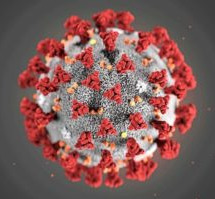
 Fraudsters are always busy trying steal your money. When a new emergency comes along, they look in their bag of tricks and repurpose scams that have worked in the past or they dream up something new. With social media reaching so many people and even the ability to text millions, consumers need to alert to avoid be taken advantage of.
To help people make their own wise giving decisions on charities addressing the coronavirus outbreak, the BBB Wise Giving Alliance offers these tips to avoid scams:
- It’s best to consider experienced relief organizations. New charities may have the best of intentions, but may face great challenges in fulfilling promises in another country.
- Verify the trustworthiness of the soliciting relief organizations by visiting Give.org to read reports that indicate if the charity meets the 20 BBB standards for charity accountability.
- See if the charity has existing connections to be able to deliver aid to impacted areas. Without well-established connections, it may be difficult to provide assistance quickly and effectively.
- Determine if the charity may be raising money to pass along to other relief organizations. If so, you may want to consider “avoiding the middleman” and give directly to charities that either have a presence in the region or an established connection.
- See if the charity’s appeal clearly describes the intended use of funds. Watch out for vague solicitations that promise assistance to those in need but don’t explain how it will be carried out.
- Understand crowdfunding. While there are resources such as Give.org to help vet charities, it can be difficult to vet individuals. If you decide to contribute to an individual via crowdfunding, it’s safest to give to people you know personally. Also, if a charity is raising money using a crowdfunding posting, review the advice above. Be particularly cautious of hazy requests that aren’t clear about the nature of support that will be provided. Also review the sites instructions to find out about any fees and how quickly funds will be disbursed.
The following is a list of BBB accredited charities that announce on their websites activities to address coronavirus.
United Methodist Committee on Relief




This is such helpful advice, Rita. Thanks for sharing it.
It’s always great to have a list like that to refer to especially when it comes to charities.