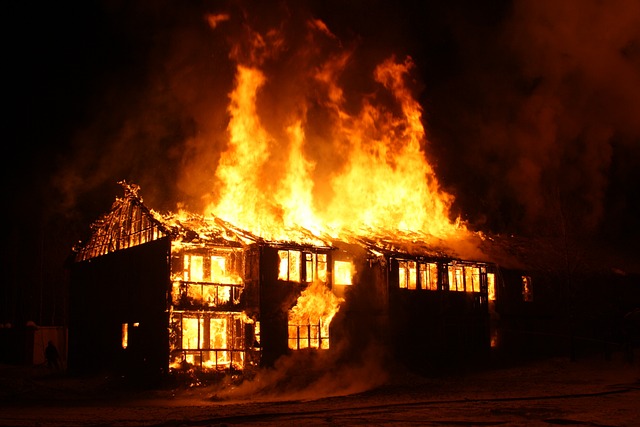
How long has it been since you changed the batteries in your smoke alarm? In your carbon monoxide alarm?
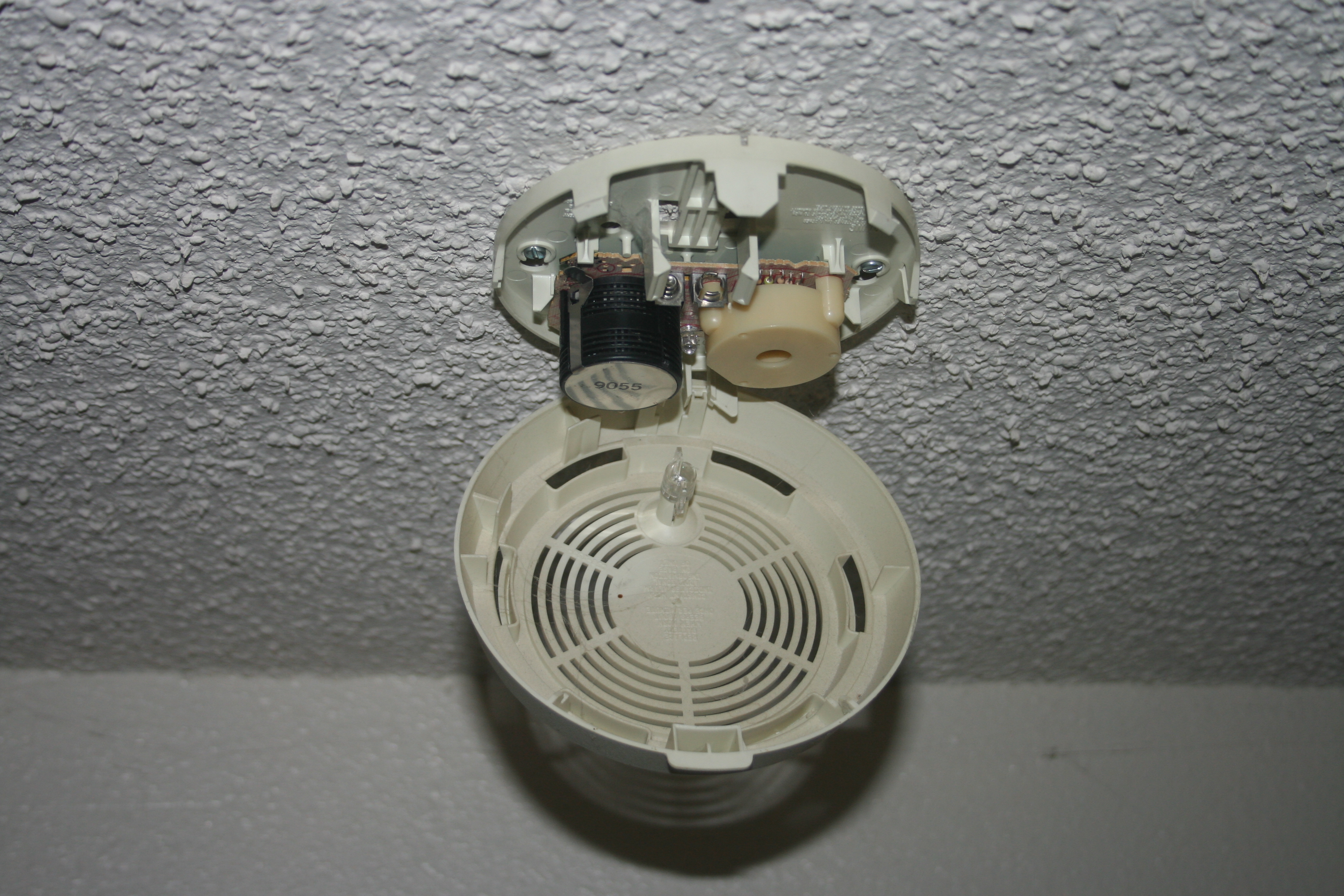
Or, is your smoke alarm not working, like the one in the photo, and awaiting your attention.
As you turn your clocks ahead for Daylight Saving Time, it’s a good time to replace the batteries in your smoke and carbon monoxide alarms. And, certainly, if your alarms aren’t working, it’s time to take action and replace them.
From 2003 through 2005, an annual average of 378,700 fires, 2,740 deaths, 13,090 injuries, and $5.6 billion in property losses associated with residential fires were reported by fire departments.
“Properly working smoke and CO alarms can alert you to a fire or poisonous carbon monoxide in your home and give you valuable escape time,” said Nancy Nord, acting chairwoman of the U.S. Consumer Product Safety Commission.
Carbon monoxide is an odorless, colorless, poisonous gas that consumers can’t see or smell. From 2003 through 2005, an annual average of 171 unintentional, non-fire CO poisoning deaths associated with consumer products occurred.
The commission recommends consumers replace the batteries in their smoke and CO alarms annually and test the alarms monthly.
Smoke alarms should be on every level of the home, outside sleeping areas, and inside each bedroom.
CO alarms should be installed on each level of the home and outside sleeping areas. CO alarms shouldn’t be installed in attics or basements unless they include a sleeping area.
Combination smoke and CO alarms are available.
The commission recommends consumers follow these safety tips:
- Never leave cooking equipment unattended.
- Have a professional inspect home heating, cooling, and water appliances annually.
- Use caution with candles, lighters, matches, and smoking materials near upholstered furniture, mattresses, and bedding. Keep matches and lighters out of reach of young children.
- Have a fire escape plan and practice it so members of the household know what to do and where to meet if there’s a fire in the home. Children and the elderly may sleep through or not react to the sound of the smoke alarm, so parents and caregivers should adjust their fire escape plan to help them escape from the house if a fire occurs.
- Never ignore an alarming CO alarm. It’s warning you of a potentially deadly hazard. If the alarm signal sounds, don’t try to find the source of the CO. Immediately move outside to fresh air. Call your emergency services, fire department, or 911.
- Never use a portable generator indoors – including garages, basements, crawlspaces, and sheds. Opening doors and windows or using fans won’t prevent CO buildup in the home.
- Keep portable generators outdoors and far away from open doors, windows, and vents when they’re in use so that CO doesn’t build up indoors.
- Get to fresh air right away if you start to feel sick, dizzy, or weak while using a generator. The CO from generators can readily lead to full incapacitation and death.
- Never use charcoal indoors. Burning charcoal in an enclosed space can produce lethal levels of carbon monoxide.
For more information, visit www.FireSafety.gov for fire safety information from commission and other federal agencies.