
![Breast_cancer[1]](https://ritarrobison.com/wp-content/uploads/2025/09/TPImport/6a00e55008157688340120a5cc3018970b.jpg)
October is National Breast Cancer Awareness Month.
The Breast Cancer Prevention Partners is an organization that works to identify – and advocate for elimination of – the environmental and other preventable causes of breast cancer. It says:
Research has taught us that many widely understood risk factors play a role, including our genetic makeup and whether or not we’ve had kids or breast-fed.
But these risk factors don’t explain it all. A substantial body of scientific evidence indicates that exposures to common chemicals and radiation, alone and in combination, may contribute to the unacceptably high incidence of breast cancer.
Here are risk factors the Breast Cancer Fund offers in its article “How to Prevent Breast Cancer”:
1. Cook with stainless steel. Aluminum may be a risk factor for breast cancer. To be cautious, avoid aluminum pots and pans and aluminum-based deodorants.
2. Use natural sunscreens. Many sunscreens contain chemicals that may be breast cancer risk factors.
3. Check your old foam furniture. Old foam mattresses and furniture can contain PBDEs, flame retardants that may be a breast cancer risk factor.
4. Minimize car exhaust. PAHs in vehicle exhaust are a breast cancer risk factor, particularly at certain vulnerable moments in life. Minimize your exposure.
5. Eat soy, but not too much. Natural plant-based estrogens in soy may provide healthy benefits in low doses, but may be a risk factor for breast cancer in higher doses.
6. Avoid CT scans and x-rays. Some common medical procedures may come with a high dose of radiation, a known breast cancer risk factor. There are alternatives.
7. Check older toys. Exposure to phthalates in plastics, present in many older – and not so old – toys and children’s products, could be a breast cancer risk factor.
8. Avoid synthetic hormone replacement therapy. If you use HRT, use estrogen-only formulations to avoid a well-documented breast cancer risk factor.
9. Recycle batteries. Some batteries and other consumer products contain cadmium, which has been linked to early-onset puberty, a risk factor for breast cancer.
10. Eat clean fish. Some fish can be contaminated with PCBs and dioxins, both breast cancer risk factors. Learn how to choose safe, nontoxic fish.
11. Be wary of dry cleaning chemicals. PERC, a chemical used by many dry cleaners, and in some carpet cleaners and spot removers, may be a breast cancer risk factor.
12. Use natural cosmetics. Some beauty products contain toxic and endocrine disrupting chemicals that may be breast cancer risk factors.
13. Avoid bleach and chlorine. Bleached products, including some tampons and household disinfectant bleaches, may be harmful.
14. Use natural pesticides. Some chemical pesticides contain endocrine disrupting chemicals that can harm human health, as well as kill insects and rodents.
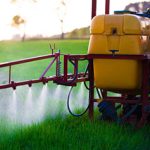
15. Avoid weed killers. Herbicides do more than kill weeds. Some may mimic hormones, a breast cancer risk factor.
16. Use nontoxic cleaning supplies. Warning labels on cleaning products are there for a reason: Some contain breast cancer risk factors. Use alternative green cleansers or do-it-yourself cleansers instead.
17. Avoid canned food. The lining in canned food can leach chemicals. Choosing farmers’ market-fresh vegetables is a better choice.
18. Choose truly “microwave safe” containers. Even so-called “microwave safe” plastic can leach chemicals into your food. Choose glass or ceramic bowls instead.
19. Drink safe water. Bottled water may contain Bisphenol A or other contaminants, while filtered public tap water is closely monitored for safety.
20. Choose BPA-free baby and water bottles. Bisphenol A has been linked to a variety of health problems, and may be a risk factor for breast cancer. Start early – for your daughter’s sake.
See the website of the Breast Cancer Prevention Partners for details on each risk factor.



![Stevejobs[1]](https://ritarrobison.com/wp-content/uploads/2025/09/TPImport/6a00e550081576883401675f7f2955970b.jpg "Where’s the outrage about top American visionary Steve Jobs dying from cancer?")