
More
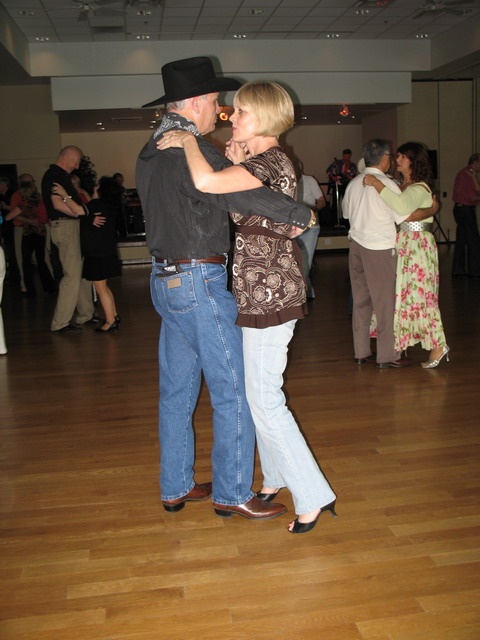
and more older Americans are turning to dancing for exercise, seeing it as an
enjoyable way for them to become more active without feeling like they’re doing
work.
 Here
Here
are some of the unique benefits that dancing can provide, according to AARP.
- Dancing
doesn’t feel like exercise – One reason dancing is successful is because most
people don’t think of it as exercise, even though dancing actually moves more
parts of the body than walking.
- Dancing=stretching – Even if you flub a few steps, it’s
still fun and great for stretching the midsection, and it will increase
flexibility, balance, and coordination. It can also boost muscle power in legs
and even strengthen bones, because dancing is a weight-bearing exercise.
- Dancing can protect against dementia and diabetes – A recent
study in the Journal of Sports Science and Medicine found that teaching the
cha-cha to a small group of older adults twice a week for six months was enough
to improve their memory and cognitive function on a number of tests. Dancing
can also help those with Type 2 diabetes lower their blood pressure and control
their weight.
- Social dancing – Camaraderie, enjoyment, and laughter during
dance classes can help participants become more physically active and, in the
process, improve health.
- Low impact, high benefits – Even for those who are already
active, dancing provides benefits without the wear and tear that other forms of
exercise can cause. Dancing is easy on the joints and can open and elongate the
body.





You’re so right! My dear B dragged me kicking and screaming to a dance lesson about three years ago. Now we’re like Fred Astaire and Ginger Rogers. Okay, not quite that. But we have a lot of fun; and we are enjoying all the benefits you mention, and then some.
Hi Tom,
Good for B. It sounds like she really likes to dance, and now you do, too.
I’ve thought about dancing to music at home, even as a break when I’m at the computer. I think, after writing this, I’ll do it.
Rita