
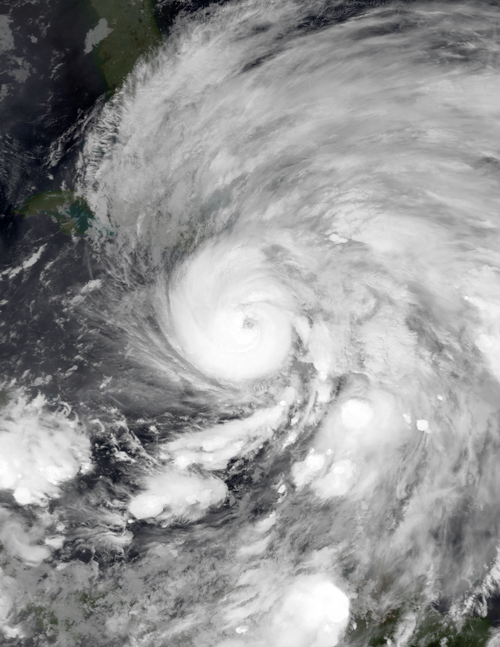
Natural disasters such as hurricanes, floods, and fires
often bring out scam artists who take advantage of the victims. Some of the
most common “after-disaster” scams involve auto, home and yard
repairs, or clean up.
The Better Business Bureau offers the following tips to consumers
who suffer auto and property damage due to Hurricane Sandy:
Check with your insurance company about policy coverage and specific filing requirements.
Save all receipts – including those for food, temporary lodging, or other
expenses – that may be covered under your policy.
Stay calm. Don’t be pressured into making an immediate decision with a long-term impact. Be
pro-active in selecting a company and not reactive to sales solicitations. Make
temporary repairs if necessary.
Shop around. For major repairs, take time to get at least three to four estimates based on the
same specifications and materials. Check references, verify licensing and
registration, and read the BBB Business Reviews at www.bbb.org.
If it sounds too good to be true, it probably is. Be wary of door-to-door workers who claim
to have leftover materials from a nearby job or who don’t have a permanent
place of business. If sales people go door-to-door, check to see if your
community requires them to have solicitation permits. Be leery if a worker
shows up on your doorstep to announce that your home is unsafe. If you are
concerned about possible structural damage in your home, have an engineer,
architect, or building official inspect it.
Get everything in writing. Require a written contract with anyone you hire. It should specify
the work to be done, materials to be used, and price breakdown for both labor
and materials. Any promises made verbally should be written into the contract,
including warranties on materials or labor. Be sure their name, address,
license number, and phone number are included in the contract, along with a
start and end date for the work. Once you have found a contractor, request
proof of a current insurance certificate covering workman’s compensation,
property damage, and personal liability.
Never pay in full in advance, and don’t pay cash. While many companies may ask for a deposit, the
BBB suggests that no more than one-third of the job be paid upfront. Be sure
the contract specifies the schedule for releasing payments to the contractor.
Before making the final payment, ask the contractor to show proof that all
subcontractors have been paid. If they haven’t been paid, you could be liable).
Disaster victims should never feel forced to make a hasty decision or to choose an
unknown contractor. Take your time and check out any company thoroughly that
you’re considering doing business with.



