
A U.S. district court has temporarily shut down a Brooklyn-based company that allegedly used deception, threats, and intimidation to induce elderly consumers to pay for medical alert systems they neither ordered nor wanted
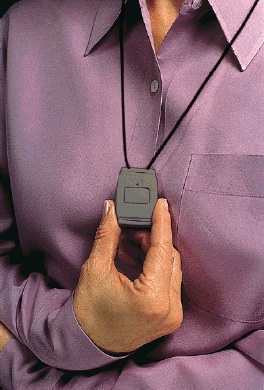 In its lawsuit, the Federal Trade Commission charges that telemarketers for Instant Response Systems call elderly consumers – many of whom are in poor health and rely on others for help with managing their finances – and try to pressure them into buying a medical alert service that consists of a pendant that supposedly allows them to get help during emergencies.
Instant Response Systems allegedly has falsely claimed during sales calls that consumers who didn’t order the medical alert service have bought the service and owe the company money – often hundreds of dollars, the FTC said in a statement.
The company also allegedly has shipped bogus invoices and unordered medical alert pendants to consumers without their consent, has repeatedly threatened consumers with legal action in order to induce and coerce payment, and has subjected them to verbal abuse.
In addition, the FTC contends that Instant Response Systems has illegally made numerous unsolicited calls to consumers whose phone numbers are listed on the National Do Not Call Registry.
Consumers who tried to contact the company to dispute the false charges or find out how to return unopened packages often were unable to reach anyone, the FTC said. If they did reach a representative, they allegedly faced threats, verbal abuse, and demands that they pay for the product.
The FTC charged the company and its principals with making illegal misrepresentations to consumers, violating the Telemarketing Sales Rule by calling phone numbers on the DNC Registry, and violating the Unordered Merchandise Statute by sending consumers pendants they didn’t order.
The defendants charged in the case are Instant Response Systems, LLC, also doing business as Response Systems, B.B. Mercantile, Ltd., Medical Alert Industrial, and Medical Alert Services; and Jason Abraham, also known as Yaakov Abraham, individually and as an officer of Instant Response Systems. Abraham was previously sued by the FTC in 2003 for selling international “drivers’ licenses” and phony university diplomas.



