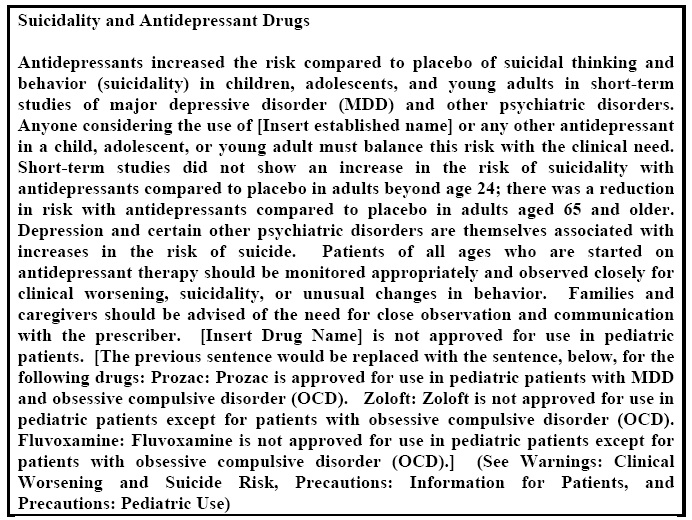
The labels of all testosterone medications in the United States should be updated to include warnings about the increased risk of heart attacks and other life-threatening cardiovascular dangers.
That’s the recommendation Public Citizen, a consumer advocacy group, recently gave the U.S. Food and Drug Administration’s Bone, Reproductive, and Urologic Drugs Advisory Committee and Drug Safety and Risk Management Advisory Committee.
More than five million prescriptions for testosterone were filled in 2013. The most common, making up more than 90 percent of the 2013 prescriptions, include Androgel, Axiron, Testim, and Forestay.
Public Citizen petitioned the FDA on Feb. 25 to add a black box warning about the risks to the product labels of all testosterone products, but the agency denied the petition on July 16. In its denial letter, the FDA said it was still assessing the potential cardiovascular risks of these products.
The FDA agrees that testosterone is “only for use in men who lack or have low testosterone levels in conjunction with an associated medical condition,” said Public Citizen, but the agency isn’t adequately regulating testosterone, which is being the hyped in low-T advertising campaigns that aren’t adequately regulated by the FDA.
Public Citizen said that many men are being prescribed testosterone who don’t meet the FDA criteria because almost 25 percent of those getting the prescription hadn’t had a blood test to determine if their testosterone level was low.
On July 15, Health Canada, the Canadian agency that regulates prescription medications, issued a safety alert to patients and health care providers about the cardiovascular risks associated with testosterone therapy.
The Canadian agency “found a growing body of evidence for serious and possible life-threatening heart and blood vessel problems such as heart attack, stroke, blood clot in the lungs or legs; and increased or irregular heart rate with the use of testosterone replacement products.”
Health Canada is working with manufacturers to update Canadian product labels with information about these risks.
“The action taken by Health Canada to protect public health stands in stark contrast to the FDA’s reckless inaction,” said Michael Carome, M.D., director of Public Citizen’s Health Research Group.
Public Citizen asked the advisory committees to recommend that the FDA immediately require warnings on the labels of all testosterone products.