Daylight Saving Time has ended so people need to change the batteries in their smoke and carbon monoxide alarms when they turn back their clocks one hour.
Many electronic devices and appliances will adjust automatically to the time change. However, most smoke and CO alarms need a few minutes of your time to ensure they’re working properly.
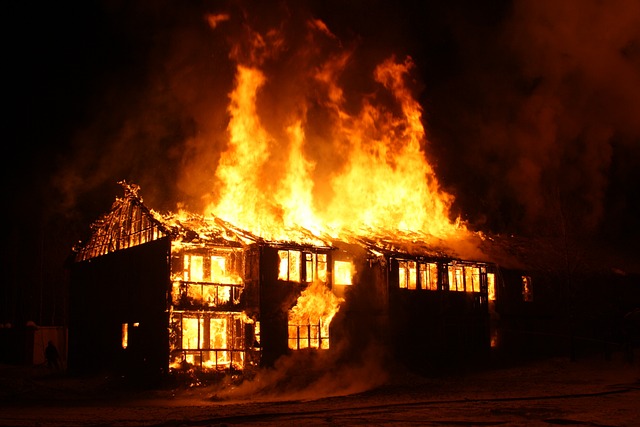
The U.S. Fire Administration estimates there were about 374,300 residential fires in 2022. The fires resulted in about 2,720 deaths, 10,250 injuries, and $10.82 billion in property damage.
Overall trends for residential building fires and losses for the 10-year period of 2013 to 2022 show the following:
- A 4 percent decrease in fires.
- A 1 percent increase in deaths.
- An 8 percent decrease in injuries.
- A 21 percent increase in dollar loss.
Carbon monoxide is an invisible killer because you can’t see or smell it. CO poisoning can come from portable generators, home heating systems, natural gas kitchen ranges, and other CO-producing appliances. The majority of CO deaths occur in the colder months of the year, between November and February.
More than 400 people die every year from CO poisoning, according to the Centers for Disease Control and Prevention.
The U.S. Consumer Product Safety Commission suggests using the gained hour this Daylight Saving Time to protect your family by:
- Testing smoke and carbon monoxide alarms monthly to make sure they’re working. The CPSC recommends installing smoke alarms on every level of the home, inside each bedroom, and outside sleeping areas. CO alarms should be installed on each level of the home and outside sleeping areas.
- Changing the batteries: Batteries should be replaced in alarms at least once each year, unless the alarms have sealed 10-year batteries. Replace the smoke alarm if it’s more than 10 years old.
- Making a fire escape plan: Make sure there are two ways out from each room and a clear path to outside from each exit. Once out, stay out of the house.
- Closing bedroom doors before you and your family go to sleep: During a fire, closed bedroom doors can slow the spread and allow extra moments to get to safety.